LEBANON OIL SERVICE

Oil Boiler Repair in Lebanon, PA

Oil burner locking out, soot around the boiler, or no heat in Lebanon? Call to describe the symptoms.

✓ Burner lockouts✓ Nozzle and filter service✓ Fuel-supply issues

General inquiries: 7 AM–7 PM · Emergency calls: 24/7 · (888) 766-1474

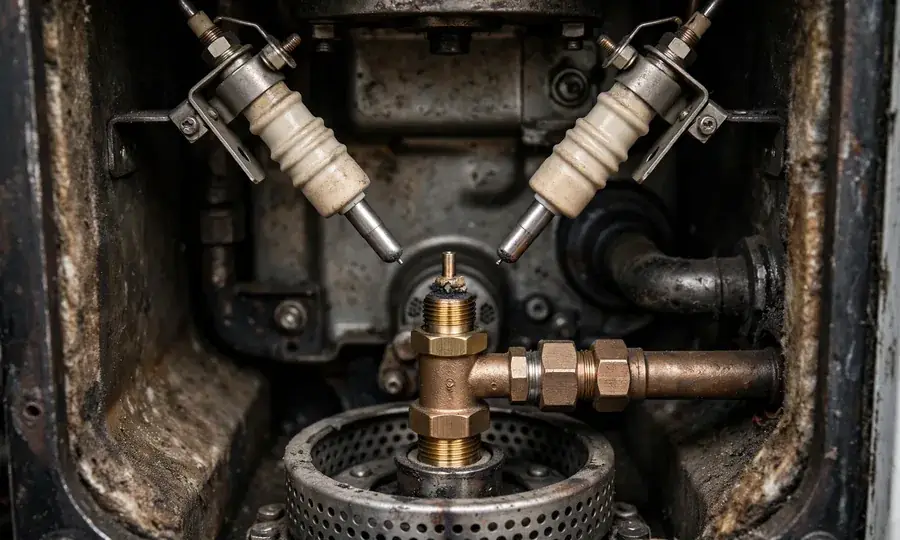
Close-up of an oil burner nozzle and ignition electrodes

Where Lebanon oil heat lives

Fuel type varies by property. Check whether the boiler uses gas, oil, propane, or electricity before calling; the fuel source affects the appropriate diagnostic steps.

It concentrates in the historic core and older neighborhoods : downtown Lebanon twins and rowhouses that never converted when gas mains arrived, plus outlying streets in Annville, Cleona, and Cornwall the mains never reached. These are typically cast-iron oil-fired boilers with pressure-atomizing burners: durable blocks, faults concentrated at the burner end.

The local pattern is volume meeting deferred maintenance . Annual burner service here is not a recommendation — it is how local households can prepare for cold snaps.

Oil Boiler Repair in Lebanon, PA

Read your symptoms

Oil symptoms, decoded.

  • Burner runs briefly, then lockout — cad cell not proving flame: nozzle, electrodes, or fuel starvation
  • Soot or smoke puff on startup — delayed ignition; unburned oil detonating late
  • Strong oil smell — leak at filter, fittings, or tank line; ventilate and call promptly
  • Dies in cold weather — fuel waxing or an exposed tank line
  • Red reset button needed often — repeated ignition failures; find the cause, not the button

One last Lebanon note: if the gauge reads empty after a run-out, the fix is delivery plus a burner bleed and reprime — the line has air and sludge in it now. Calling with "tank ran dry, gauge on E" gets the right truck the first time.

For the full burner-component breakdown, see our national oil boiler repair guide.

Oil Boiler Repair in Lebanon, PA

Delivery and tank realities

The non-burner half of oil heat.

Running a tank dry pulls sludge and air into the fuel line — the classic "just ran out, now it will not restart" call needs bleeding and repriming after delivery. Tank condition matters too: old tanks shed rust that clogs filters, and water condensing inside promotes sludge. Filters clogging every few weeks point at the tank, not the burner.

Before you call: oil-burner checks

Two minutes that sharpen the triage.

  • Reset discipline — press the red burner reset once; if it locks out again, stop. Repeated resets flood the chamber with unburned oil
  • Tank gauge — check the float; run-outs spike during Lebanon's teen-degree stretches, especially for will-call customers
  • Filter history — filters clogging every few weeks point at the tank (rust, sludge, water), not the burner
  • Soot or startup puffs — delayed ignition; do not run the boiler to "get through the night"
  • Last service date — a nozzle overdue by two seasons is the single most common cause of January lockouts in the Lebanon Valley

For the full burner-component breakdown, see our national oil boiler repair guide.

Frequently Asked Questions

Straight answers before you call.

01

How often does an oil burner need servicing in Lebanon?

Once a year, before heating season — nozzles, electrodes, and filters foul every season by design, and Lebanon's large oil stock means techs see what skipped maintenance looks like every January. The annual visit is also when a tech spots a weeping block or rusting tank early. Skipping years is the most common backstory behind midwinter lockouts.
02

Is soot around my oil boiler dangerous?

It deserves prompt attention — soot means incomplete combustion, which wastes fuel and can signal a cracked heat exchanger or badly misadjusted burner. Light soot staining around an old unit's cleanout is common; heavy fresh soot or soot with an oil smell is a call-now situation. Do not just wipe it off and ignore it; find out why it is forming.

03

I ran out of oil. Why won't it restart after the delivery?

Running dry pulls sludge and air into the fuel line — the filter clogs and the pump loses prime, so fuel in the tank cannot reach the burner. It needs a filter change, line bleeding, and repriming: a standard service call. Say “run-dry restart” when you call; triage knows exactly what the tech needs to bring.

04

Should I switch from oil to gas?

Start with availability — confirm a gas main actually serves your street, because in Lebanon that is genuinely street by street. Then weigh the equipment: a healthy oil boiler with years left is rarely worth replacing just for the fuel switch, while a dying oil unit is the natural moment to convert. The tank decommissioning is part of either plan.

Oil burner trouble in Lebanon?

Call (888) 766-1474 — describe the burner symptoms for oil-specific triage.

☎   Call (888) 766-1474