
Identify where heat stops
Compare rooms and radiators, note when banging occurs, and explain whether the boiler fires but heat fails to reach certain areas. One-pipe and two-pipe steam systems may need different checks.
Steam radiators not warming up, pipes banging, or water spilling from a radiator vent? Steam heating problems can involve boiler water level, steam pressure, condensate drainage, or air venting. Call to describe your symptoms and ask about repair availability in your area.
General inquiries: 7 AM–7 PM · Emergency calls: 24/7
Enter your ZIP code or city to check listed coverage, or call to ask about service options.
Online coverage is not confirmed for every location. Search results do not guarantee an appointment.
Steam heat relies on controlled water level and pressure, free-flowing condensate returns, and properly vented piping and radiators. When one part stops working properly, rooms may heat unevenly or the system may become noisy.
Keep track of which radiators are cold, whether banging occurs when heat starts, and whether vents release air, water, or steam continuously. These observations help a qualified technician narrow down the cause without guessing which part needs replacement.
Need help with one of these symptoms? Call (888) 766-1474 to ask about steam-system repair options.
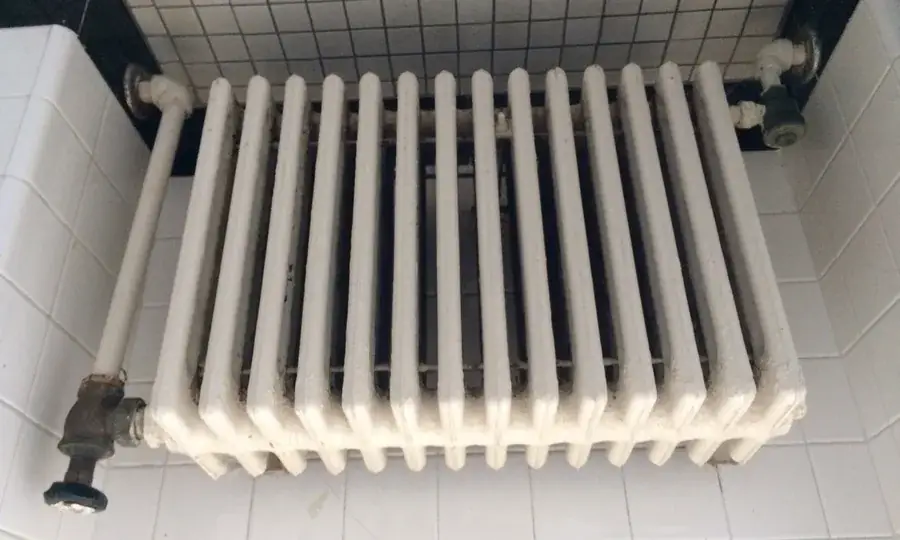
A steam system needs more than a boiler-only inspection. Diagnosis may involve water-level controls, pressure controls, radiator vents, piping pitch, and the condensate-return path. Condensate is steam that has cooled back into water; the return piping must carry it back toward the boiler.
Compare rooms and radiators, note when banging occurs, and explain whether the boiler fires but heat fails to reach certain areas. One-pipe and two-pipe steam systems may need different checks.
A qualified professional may inspect the sight glass, low-water cutoff, pressure controls, near-boiler piping, vents, radiator drainage, and wet returns as symptoms warrant.
Ask what caused the issue, whether the fix involves the boiler or the distribution system, and what diagnostic charges and repair costs apply before approving work.
Do not bypass low-water cutoffs, adjust safety controls, open hot steam fittings, or handle pressurized piping. If a carbon monoxide alarm sounds or you suspect a gas leak, leave the area and contact emergency services or your gas utility from a safe location.
Tell us whether radiators are cold, pipes bang, vents leak, or the boiler water level changes unexpectedly. Steam-system symptoms help define the inspection needed.
Call (888) 766-1474 about banging pipes, cold radiators, vent leaks, or low-water shutdowns.
Explain which rooms are affected, when noises occur, and whether you see a water-level or pressure concern.
Provide your ZIP code or city so service availability can be checked, without assuming coverage.
Ask about a steam-system assessment, diagnostic fees, and potential appointment options.
Steam heat is elegant and unforgiving. Water boils, steam rises, condenses in radiators, and returns by gravity.
The boiler holds water at a level you can see in the sight glass. The pressuretrol keeps steam pressure low — residential steam runs at ounces to a couple of psi, not the high pressure people imagine. The low-water cutoff (LWCO) kills the burner if water drops; it is the single most important safety on the boiler. Steam travels up, condenses in radiators, and the water returns through the piping — helped by the Hartford loop, a piping arrangement that protects the boiler if a return leaks.
Air must get out for steam to get in: main vents on the steam mains and radiator vents on each radiator bleed air as steam advances. Failed vents are behind a huge share of "some radiators cold" complaints.
Steam symptoms have specific mechanical causes.
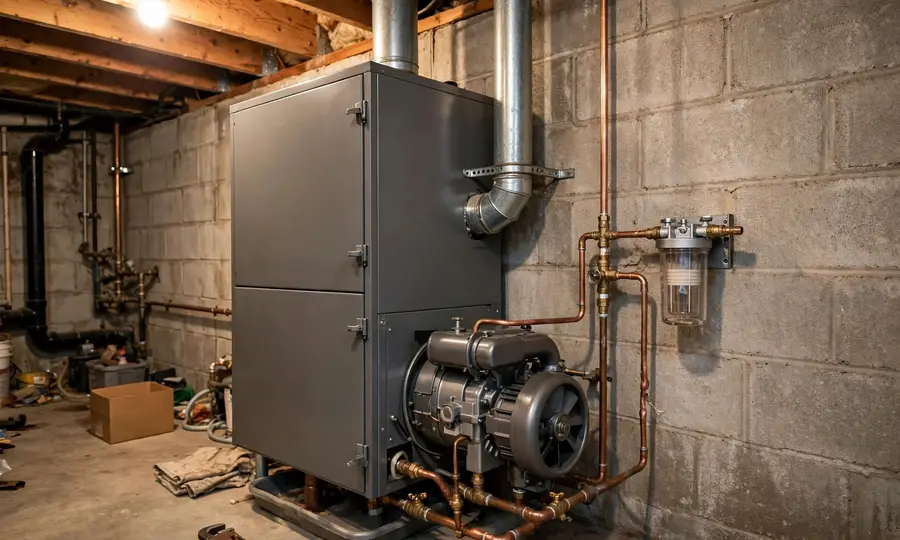
Answers to common questions about steam radiators, noisy pipes, boiler water levels, repair costs, and safety.
Banging can happen when condensate collects in steam piping or radiators, causing moving steam to push water through the system. Incorrect pipe pitch, trapped condensate, failed vents, or operating problems can contribute. Persistent water hammer needs professional diagnosis.
A stuck or incorrectly sized air vent, closed radiator valve, drainage problem, or poor steam distribution may be involved. On a one-pipe system, the radiator supply valve is generally intended to be fully open or fully closed—not used to throttle heat.
Wet steam, poor radiator drainage, excessive water level, or vent problems can force water toward an air vent. Replacing a vent alone may not correct an underlying piping or boiler-water issue.
Some movement may occur during operation, but large swings, frequent low-water shutdowns, or repeated manual refilling can indicate wet returns, surging, leaks, or feed-control problems. Do not bypass a low-water cutoff.
Do not alter pressure controls or safety devices to compensate for uneven heating. Many residential steam systems are designed to operate at relatively low pressure; high pressure can worsen venting and distribution problems.
The source of trouble may be at the boiler, in condensate-return piping, in a pressure or water-level control, or at a radiator vent. Ask which steam-system components can be assessed and whether the provider handles the suspected repair.
Cost depends on the diagnosis, access, repair parts, labor, system condition, and whether the call is after hours. Ask about the diagnostic fee, any emergency surcharge, and when a repair estimate will be provided before approving work.
The decision depends on boiler condition, leaks, efficiency, recurring repair history, part availability, and the condition of the connected steam piping. Ask for a diagnosis and compare the scope and cost of repairs with replacement before deciding.
The float-type LWCO should be blown down (flushed) weekly during heating season — it takes a minute at the boiler drain valve and keeps sludge from jamming the float. Probe-type cutoffs need less attention but should still be tested per the manual. A LWCO that cannot move freely cannot protect the boiler.
New boilers and fresh water carry oils and sediment that make boiler water foam. Foaming throws water up into the steam mains — surging, hammering, wet steam. Skimming slowly drains the oily surface film off the top of the water line. It is a standard part of commissioning a new steam boiler, not an extra.
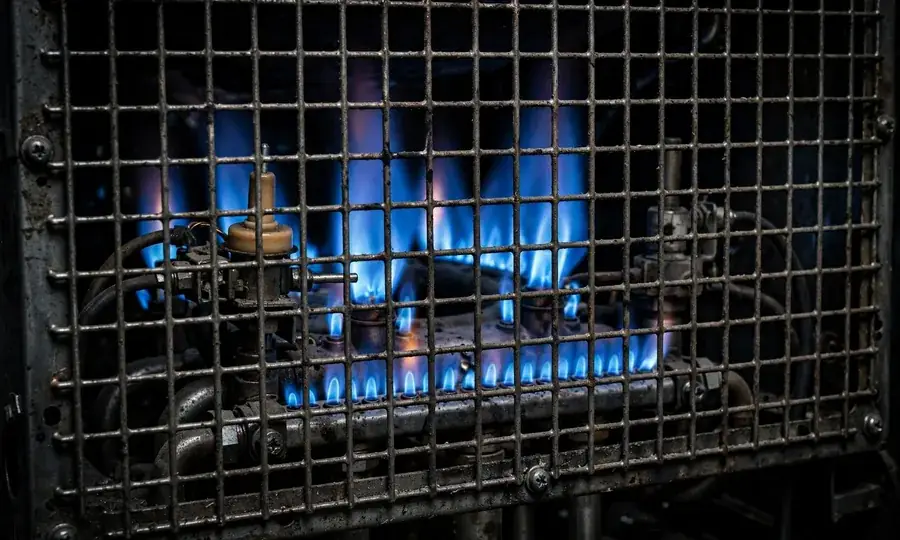
Startup failures, error codes, sensors, and electrical controls.
View Boiler Ignition & Controls Repair →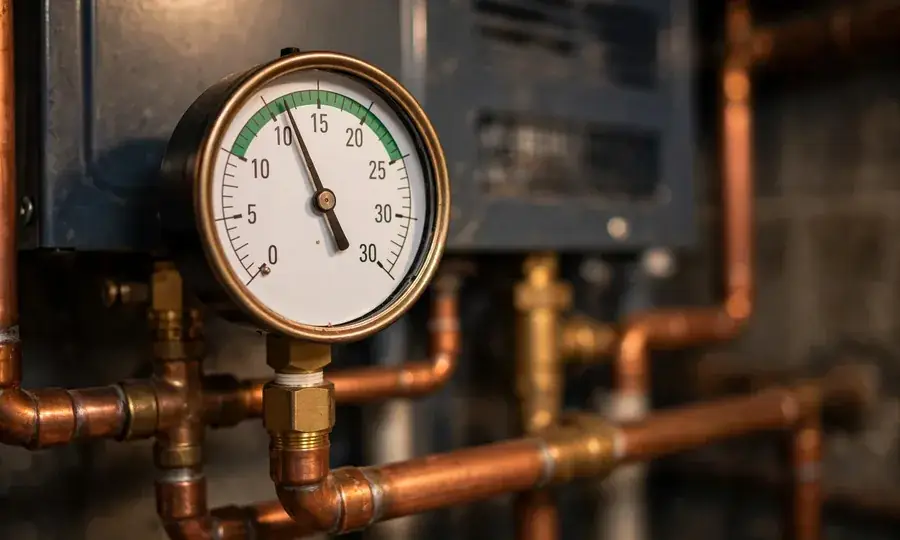
Water leaks, persistent pressure loss, and pressure fluctuations.
View Boiler Leak & Pressure Repair →
Seasonal inspections and preventive system care.
View Boiler Maintenance →
Cold radiators, uneven heat, noise, and distribution problems.
View Radiator & Baseboard Heating Repair →Call with your ZIP code, boiler model if known, and a description of the affected radiators or noises. Ask about steam boiler repair availability, assessment fees, and next steps. For active leaks of hot water or steam, keep away from the affected equipment.
Call (888) 766-1474General inquiries: 7 AM–7 PM · Emergency calls: 24/7