
Review the symptoms
Describe whether the burner starts, locks out, produces smoke, or fires while the building remains cold. Share the boiler model and visible fault indicators if available.
Oil burner not starting, shutting down, or leaving your home without heat? Oil-fired boilers can develop fuel-delivery, ignition, combustion, or heating-water circulation problems. Call to explain the symptoms and ask about repair availability in your area.
General inquiries: 7 AM–7 PM · Emergency calls: 24/7
Enter your ZIP code or city to check listed coverage, or call to ask about service options.
Online coverage is not confirmed for every location. Search results do not guarantee an appointment.
An oil-fired boiler that stops heating may have a burner fault, restricted fuel flow, electrical control issue, or a problem moving heated water through the home.
If the burner runs but radiators stay cold, the cause may be circulation rather than oil delivery. If the burner repeatedly locks out, stop resetting it and arrange a qualified assessment. Note any visible fault indicator, unusual odor, smoke, or recent fuel delivery without opening the equipment.
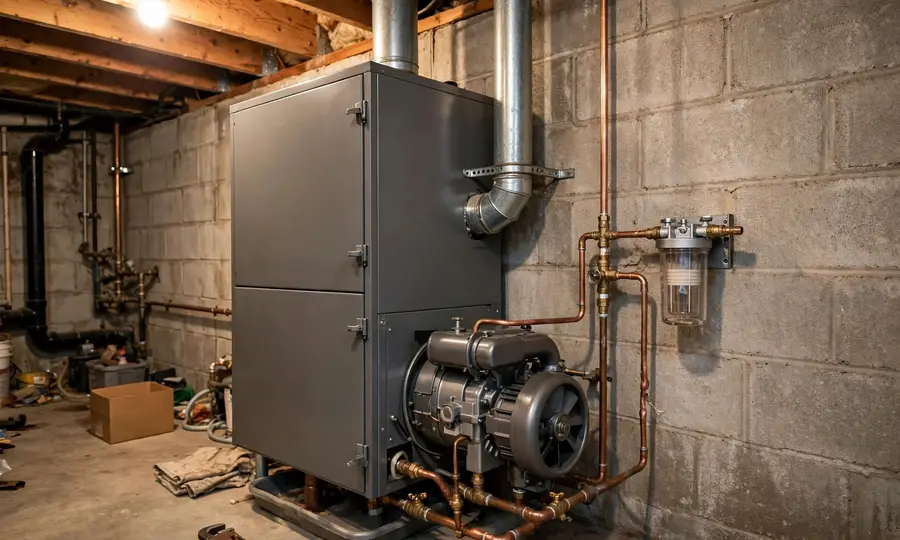
A qualified technician checks the burner and fuel system as well as the heating controls and water circulation. The goal is to identify the cause before recommending a repair.
Describe whether the burner starts, locks out, produces smoke, or fires while the building remains cold. Share the boiler model and visible fault indicators if available.
A professional may inspect filters and fuel supply, burner ignition and safety controls, combustion performance, venting, and the circulator or zone controls as symptoms warrant.
Ask what testing identified the problem, whether cleaning or parts are required, what the diagnostic and repair charges include, and whether any safety concern must be corrected first.
Safety: If you see smoke, heavy soot, or an active oil leak, stop using the boiler if it is safe to do so and arrange qualified help. If a carbon monoxide alarm sounds or anyone has symptoms of CO exposure, leave the building and contact emergency services. Never repeatedly reset the burner or attempt burner, fuel-line, or combustion adjustments yourself.
Mention whether the burner is locked out, the fuel tank may be low, or soot or smoke is present. Do not repeatedly reset a locked-out oil burner.
Call (888) 766-1474 about a burner lockout, lost heat, fuel leak, or unusual combustion symptoms.
Share whether the burner starts, stops, smokes, or runs without heating the radiators.
Provide your city or ZIP code so service availability can be checked.
Ask about scheduling, assessment fees, and what the technician would inspect before authorizing work.
Oil heat lives or dies at the burner. Almost every oil no-heat call traces to five parts.
The nozzle atomizes oil into a fine spray — it wears with every firing hour and a worn nozzle sprays badly, causing soot and poor combustion. The electrodes arc to ignite the spray; carbon tracking or wrong gap means no spark. The cad cell (a light-sensitive eye) must see flame within seconds or the control locks out. The fuel pump pulls oil from the tank through the filter; a clogged filter or sludged tank starves the nozzle.
Upstream of all of it is the tank: water condensing inside, sludge at the bottom, and in cold snaps, waxing fuel oil that will not flow. A burner can be perfect and still starve.
Oil symptoms are distinctive once you know the vocabulary.
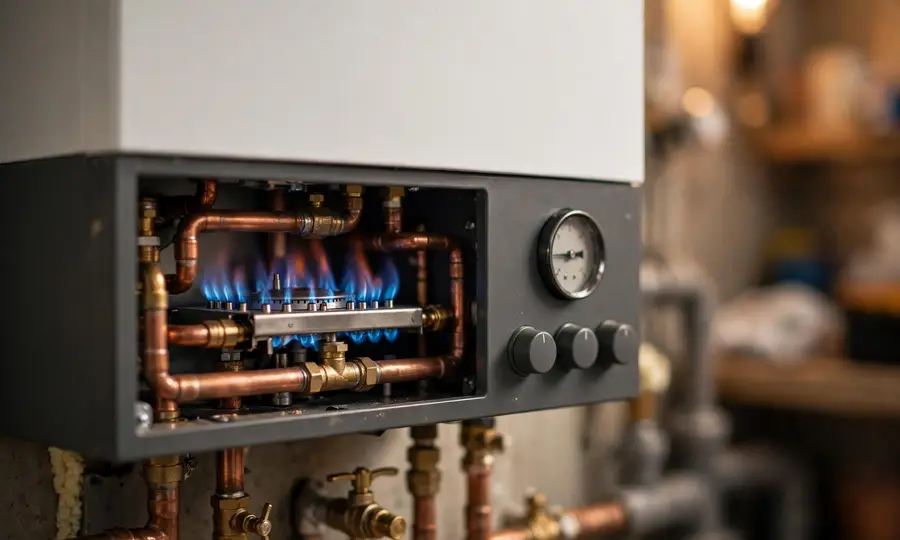
Answers about oil-burner lockouts, fuel delivery, safety, repair prices, and servicing oil-fired boilers.
A burner safety control can shut the system down when ignition or flame detection fails. Fuel-flow restrictions, ignition faults, and combustion problems are possible causes. A lockout does not identify the failed part by itself.
Do not repeatedly reset a burner that will not start. Multiple resets can allow unburned fuel to accumulate and create a dangerous ignition condition. Follow the manufacturer’s user instructions and arrange qualified help if it locks out.
Treat visible smoke, heavy soot, or leaking heating oil as a reason to stop using the equipment if safe, and seek professional help. For a carbon monoxide alarm, leave immediately and call emergency services. Do not attempt fuel-line or burner repairs.
The burner may be producing heat while a circulator, zone valve, thermostat, pressure issue, or control prevents hot water from reaching the heating zones. The actual fault needs testing rather than assuming the oil burner has failed.
Yes. Restricted fuel delivery can contribute to poor burner performance or shutdowns. Air in the oil line and other fuel-system faults may create similar symptoms. Fuel-system repairs and bleeding should be handled by qualified personnel.
Cost depends on the diagnosis, parts, labor, accessibility, and any after-hours fees. Ask whether the diagnostic visit has a charge, whether it is credited toward repair, and for an itemized estimate before approving work.
Consider the boiler’s age, condition, efficiency, repair history, parts availability, and the price of the proposed repair. A technician can assess whether the issue is limited to a serviceable burner component or reflects broader equipment deterioration.
Yes. Routine oil-burner service can involve inspection, cleaning, filter or nozzle replacement when appropriate, and combustion testing. If the boiler has stopped heating or is smoking, explain those symptoms so the visit is treated as a fault assessment, not only routine maintenance.
Soot signals incomplete combustion — often delayed ignition, where oil sprays before the spark arrives and then ignites all at once. That is the puffback that can blow soot through the house, and carbon monoxide risk is higher than normal while it continues. Do not run the boiler to get through the night; call for service.
Heating oil degrades in the tank: water condenses, sludge settles, and in older tanks rust flakes join in. The filter catches all of it before the nozzle. Annual filter replacement with the tune-up is normal; filters clogging faster usually means the tank itself needs attention — water or heavy sludge at the bottom.
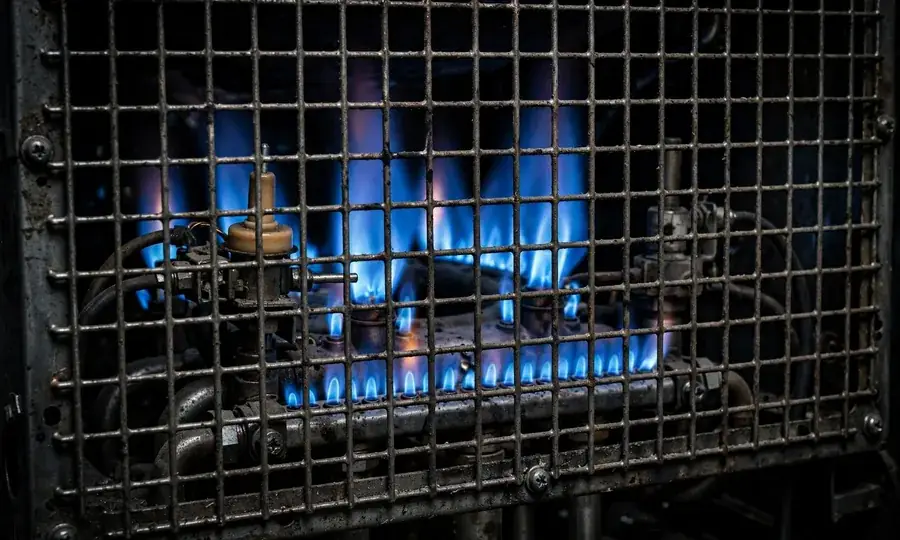
Startup failures, error codes, sensors, and electrical controls.
View Boiler Ignition & Controls Repair →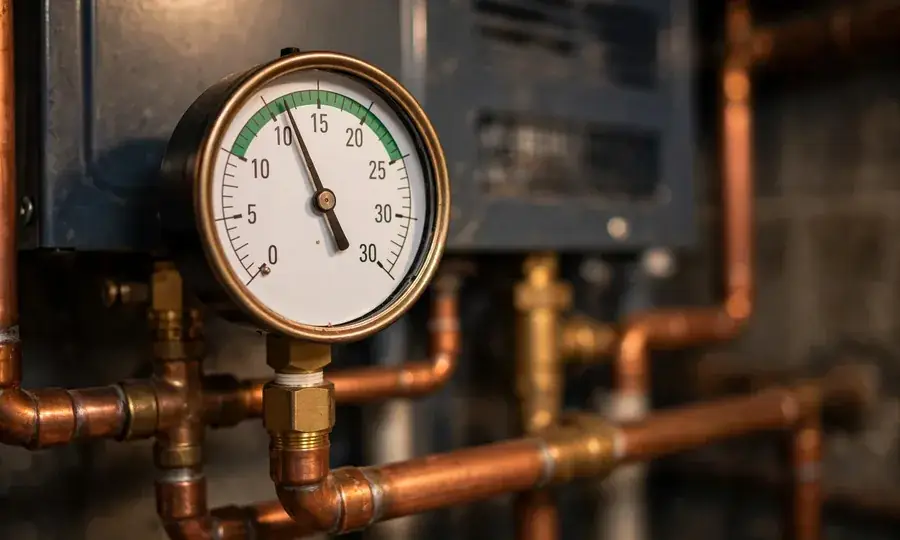
Water leaks, persistent pressure loss, and pressure fluctuations.
View Boiler Leak & Pressure Repair →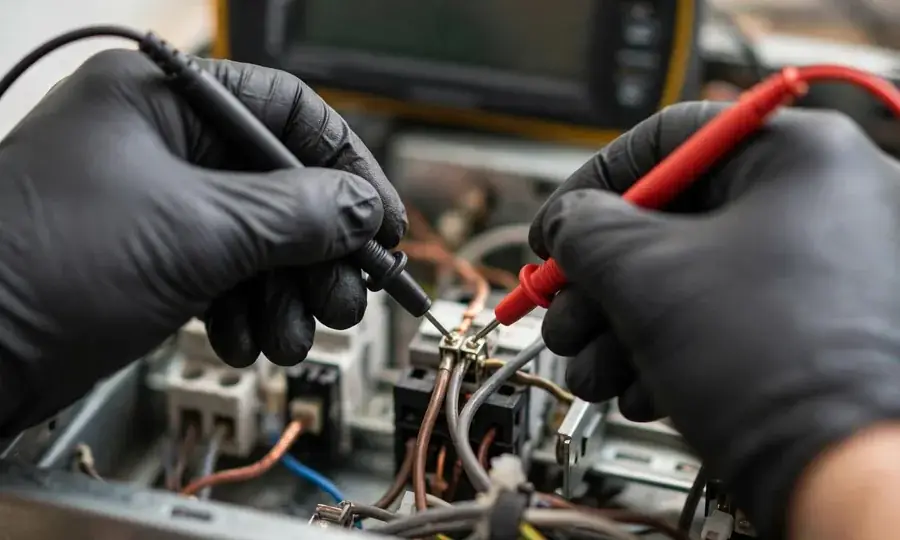
Seasonal inspections and preventive system care.
View Boiler Maintenance →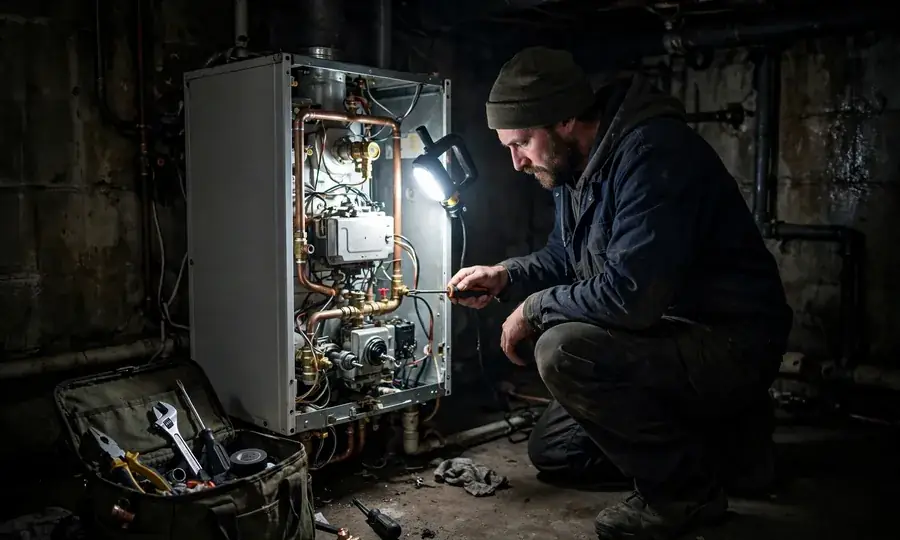
Talk through urgent loss-of-heat and unsafe-heating concerns.
View Emergency Boiler Repair →Call with your ZIP code, boiler model if known, and what happens when it tries to start. Ask about local repair availability, diagnostic charges, and next steps. For smoke, active leaks, or carbon monoxide alarms, follow safety guidance first.
Call (888) 766-1474General inquiries: 7 AM–7 PM · Emergency calls: 24/7