
Review the fault history
Record the boiler model, displayed code, timing of failure, and whether domestic hot water or space heating is affected.
Boiler not firing, showing an error code, or shutting down after startup? Ignition and control faults can interrupt heat, but the display code alone rarely identifies the failed part. Call to discuss the symptoms and ask about repair availability in your area.
Enter your ZIP code or city, then call to confirm availability for this repair.
Search results do not guarantee a local contractor or appointment.
A thermostat call, safety switch, burner control, or flame-detection fault can prevent a boiler from operating. The same symptom can have several causes.
Common signs include the following. These symptoms can have more than one cause, so diagnosis matters.
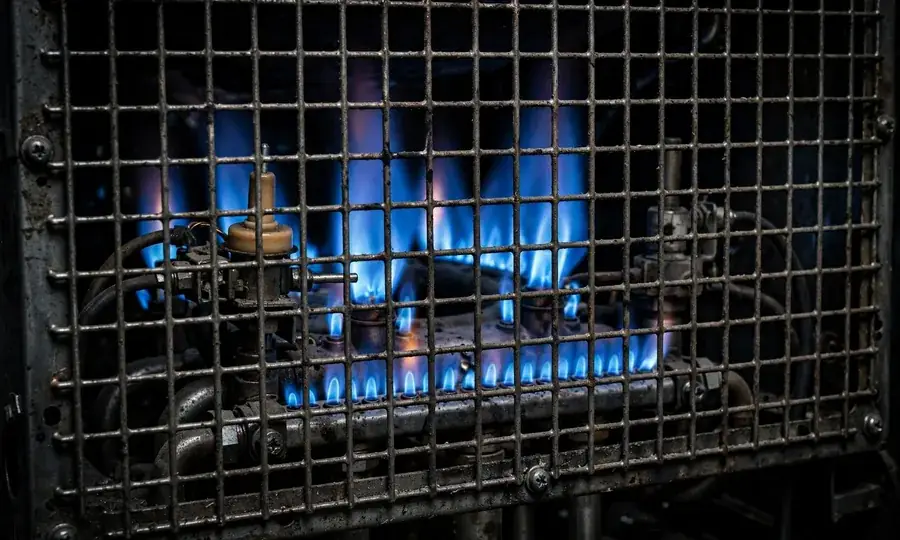
A qualified professional should identify why the burner sequence stops before recommending parts. Replacing a control board based only on a displayed code can waste money.
Record the boiler model, displayed code, timing of failure, and whether domestic hot water or space heating is affected.
Check the heat call, controls, interlocks, ignition components, flame verification, and other manufacturer-specified safety steps.
Ask what test confirmed the problem, whether a part or connection is repairable, and what the full repair estimate includes.
Do not open a boiler cabinet, alter gas fittings, bypass safety controls, or work on pressurized components without appropriate qualifications.
A clear call process, without promising coverage or an on-site arrival time.
Use (888) 766-1474 for repair inquiries; emergency calls are accepted 24/7.
Share symptoms, boiler type, and any visible error codes or leaks.
Provide the service ZIP code so local availability can be checked.
Ask about qualifications, assessment fees, scheduling, and next steps.
A boiler is allowed to fire only when every safety in the chain agrees.
On a call for heat, the control board checks the chain in order: thermostat calling, high-limit not tripped, pressure switch proving the flue is clear (fan running), rollout switch intact. Then it opens the gas valve and powers the igniter — a hot-surface element glowing or a spark electrode arcing. Flame must then be proven: the flame sensor rod conducts a tiny rectification current through the flame itself. No current, no gas — the valve snaps shut.
Older standing-pilot systems use a thermocouple instead: the pilot flame heats it, generating the millivolts that hold the gas valve open. A pilot that will not stay lit is almost always a weak thermocouple — the cheapest part in the chain.
Each break in the chain has a signature.
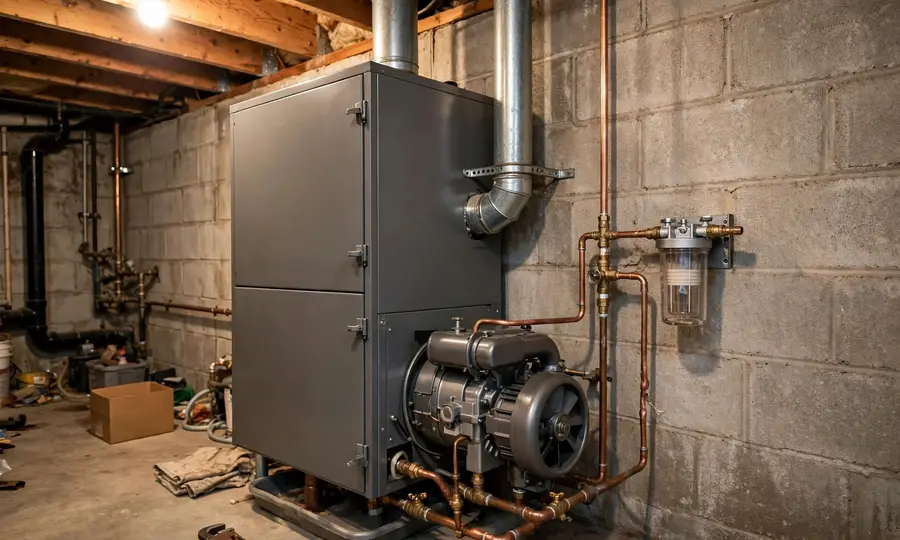
Answers to common questions before requesting service.
Not necessarily. Error codes often report a failed operating condition, not a specific faulty component. Diagnosis should verify the actual cause.
Ignition, flame detection, venting, fuel supply, or safety controls may interrupt startup. A professional can test the sequence safely.
A thermostat or its wiring can stop a heat request, but a true burner safety lockout may have a different cause. The symptoms help direct testing.
Repeated resets can conceal an unresolved safety fault. Follow the boiler manual and stop if the fault returns; do not bypass safety controls.
Yes. Some temperature, pressure, or flame-sensing faults can prevent normal operation. A sensor should be tested before replacement.
Cost depends on diagnosis, part availability, labor, and whether emergency service is requested. Ask about diagnostic and after-hours fees before authorizing work.
A control fault alone does not automatically require boiler replacement. Equipment condition, age, repair cost, and parts availability should guide the decision.
Have your ZIP code, boiler make/model if known, any error code, and whether the boiler never starts or repeatedly shuts down.
The flame sensor rod sits in the burner flame and the control board applies an AC voltage to it. Flame — being ionized gas — conducts current better in one direction than the other, "rectifying" it to DC. The board measures that tiny DC signal (microamps) as proof of flame. No signal means no flame, and the gas valve closes. It is why a dirty rod causes perfect-looking burners to shut down.
It is a metal rod in the combustion area — reaching it means opening the boiler casing, which manufacturers and codes reserve for qualified technicians. The cleaning itself is trivial (fine abrasive pad); the safe access is not. This is a quick, inexpensive service call.
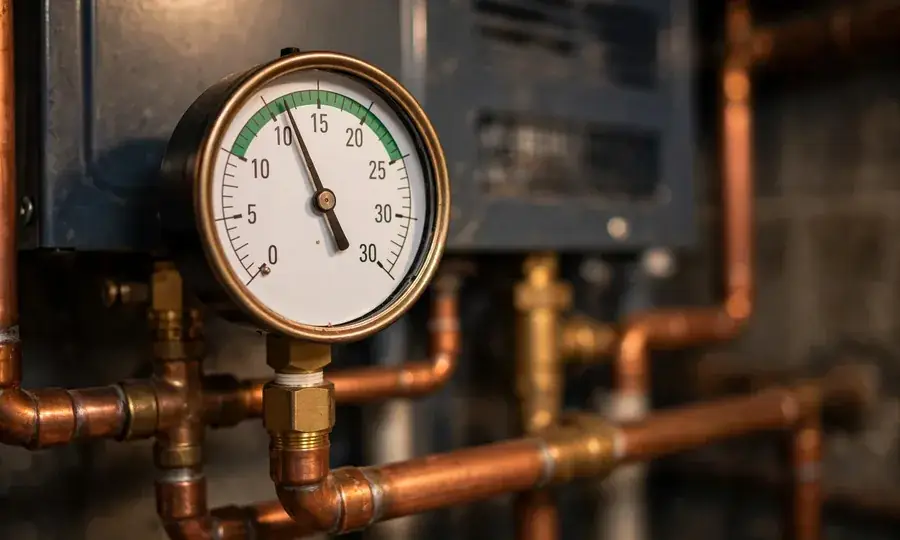
Water leaks, persistent pressure loss, and pressure fluctuations.
View Service Details →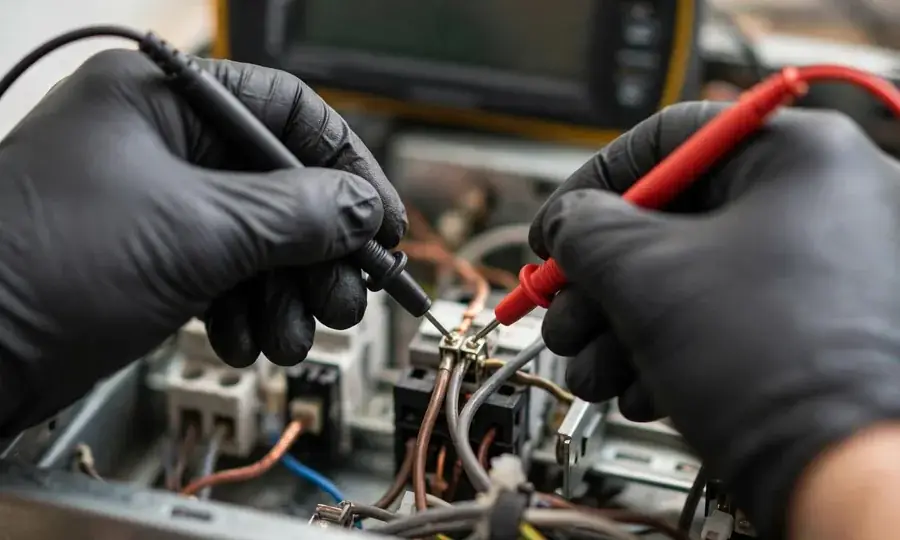
Seasonal inspections and preventive system care.
View Service Details →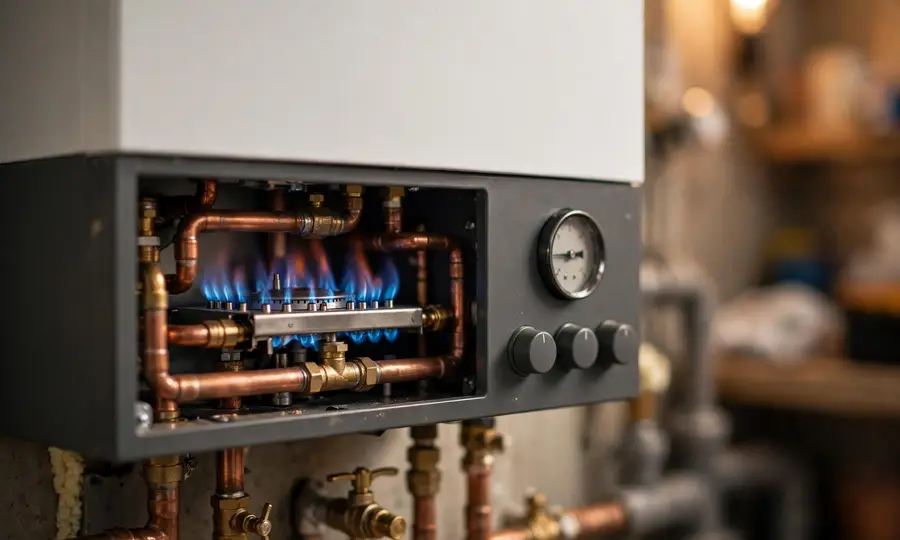
Ignition, burner, heating-control, and no-heat problems.
View Service Details →
Hot-water circulation, zones, and pump-related heating failures.
View Service Details →Call with the boiler model, fault code if visible, and your ZIP code. Ask about a qualified assessment, availability, and potential charges before scheduling.