
Confirm the heating demand
Identify which zones are cold, whether thermostats are calling for heat, and whether the boiler is producing hot water.
Boiler running but radiators or baseboards staying cold? A failed circulator pump, zone control, or flow restriction can stop hot water from reaching your rooms. Call to discuss the symptoms and check service options in your area.
Enter your ZIP code or city to check the currently listed areas. If your location is not confirmed, call to ask about availability.
Service availability, scheduling, and any charges must be confirmed by phone.
Cold heating zones, new pump noises, or a boiler that heats water without moving it through the system can point to a circulation problem.
A bad pump is only one possibility. Air trapped in piping, closed valves, failed zone controls, low system pressure, or a boiler control fault can cause similar symptoms. The right repair depends on testing the system—not guessing from a noise alone.
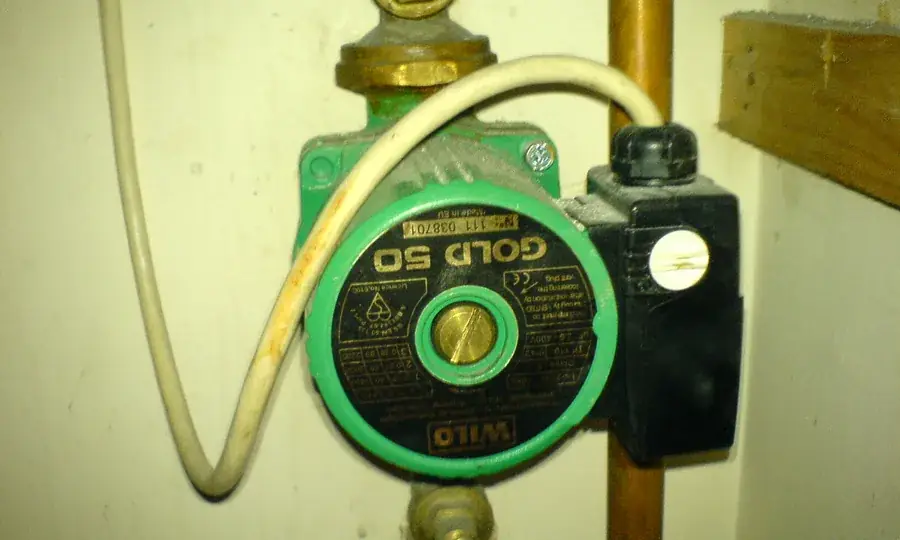
A technician should establish whether the problem is the pump itself, the electrical controls, or the piping and water flow.
Identify which zones are cold, whether thermostats are calling for heat, and whether the boiler is producing hot water.
Evaluate pump power and controls, zone valves, system pressure, air or flow restrictions, and signs of leakage or overheating.
Review whether a control, valve, or circulation issue can be corrected, or whether pump replacement is justified by the findings.
Hot water, electricity, and pressurized piping can cause injury. Do not open electrical connections, loosen pump flanges, or bypass boiler safety devices. If water is leaking near electrical equipment, keep clear and seek qualified help.
A straightforward phone-first process to describe the heating problem and ask about repair availability.
Tell us if your boiler runs, which radiators or zones are cold, and whether the pump is noisy or leaking.
Provide your boiler or circulator model if available, plus any fault message. You do not need to diagnose the fault yourself.
Give your ZIP code or city so service availability can be checked; a listing is not an appointment guarantee.
Ask about possible appointment times, diagnostic charges, and how repair or replacement pricing will be explained.
A circulator is a simple machine: motor, impeller, bearings. Each fails differently.
Seized bearings — the classic: the pump hums or is silent, the casing gets hot, nothing moves. Sediment and age kill bearings; some pumps can be freed by turning the shaft, but a seized pump is usually a replacement. Failed capacitor — the motor buzzes but will not start; the capacitor is a cheap part on pumps that have one. Airlock or blockage — the pump is fine but spinning in air or against a closed valve; bleeding and checking isolation valves comes before condemning the pump.
Note the impostor: a pump that runs constantly may be fine — the fault is a control (thermostat, relay, zone valve end-switch) never telling it to stop.
What you observe narrows it to one of the three.
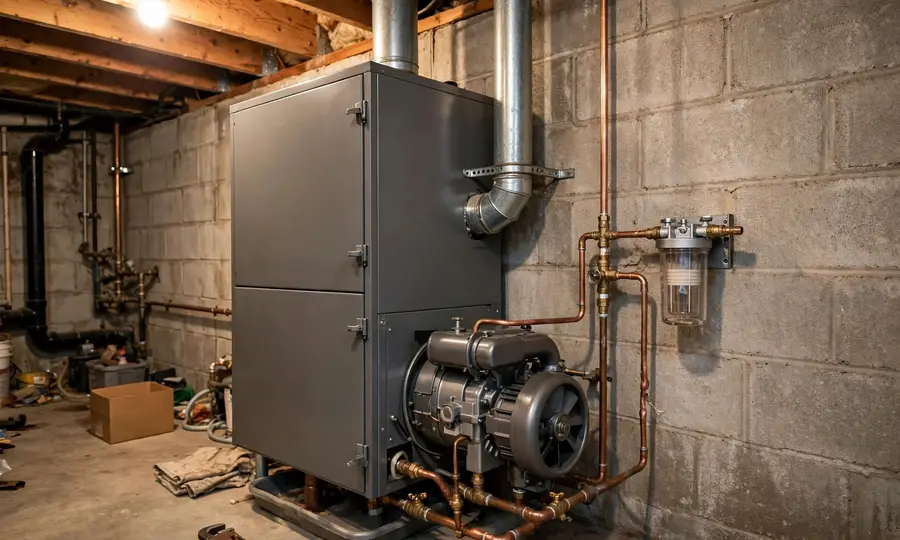
Answers to common questions about hot-water circulation, pump replacement, and repair costs.
Cold radiators, a humming or grinding pump, and uneven heating are possible signs. Air in the piping, zone valves, wiring, and thermostat controls can create similar symptoms, so diagnosis matters.
The boiler may heat water without delivering enough flow to the affected zone. A circulator fault, closed or stuck valve, air blockage, or control problem should be checked.
Not necessarily. Air, vibration, restricted flow, or mounting issues may create noise. Grinding or worsening sounds should be checked promptly, especially if heat is also affected.
Some complaints come from repairable wiring, relays, controls, or air and flow problems. Internal motor or bearing failures often call for pump replacement, depending on the model and condition.
Do not assume continued operation is safe. Some boilers limit firing when circulation is inadequate, but overheating or damage can occur. Follow equipment instructions and seek professional advice.
The cost depends on the cause, pump type and accessibility, whether valves or wiring need attention, and labor or after-hours charges. Ask about the diagnostic fee and receive an explanation before authorizing work.
No. Many hot-water hydronic systems use circulators, while typical steam systems distribute steam differently. Describe the system type when calling so the correct service can be discussed.
Your ZIP code, boiler type if known, affected rooms or zones, pump sounds, visible leaks, and any error messages. Do not remove covers or touch hot or electrical components to collect details.
Sometimes — many pumps have a shaft end accessible under a cap screw that can be turned manually to break the seizure. If it frees and runs quietly, it may serve a while longer, but a pump that seized once usually seizes again; budget for replacement. If the shaft will not turn or the pump is noisy after freeing, replace it.
Typically 10–15 years, longer on clean systems with good water quality. Chronic air, sediment, and running against closed valves shorten life. When one pump in a multi-pump system fails of old age, the others are usually not far behind — worth discussing while the system is drained down.
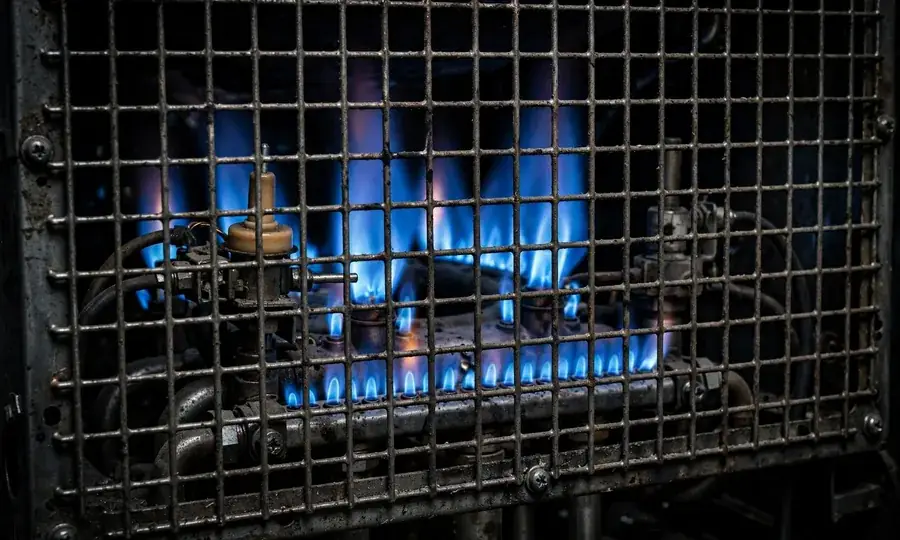
Startup failures, error codes, sensors, and electrical controls.
View Boiler Ignition & Controls Repair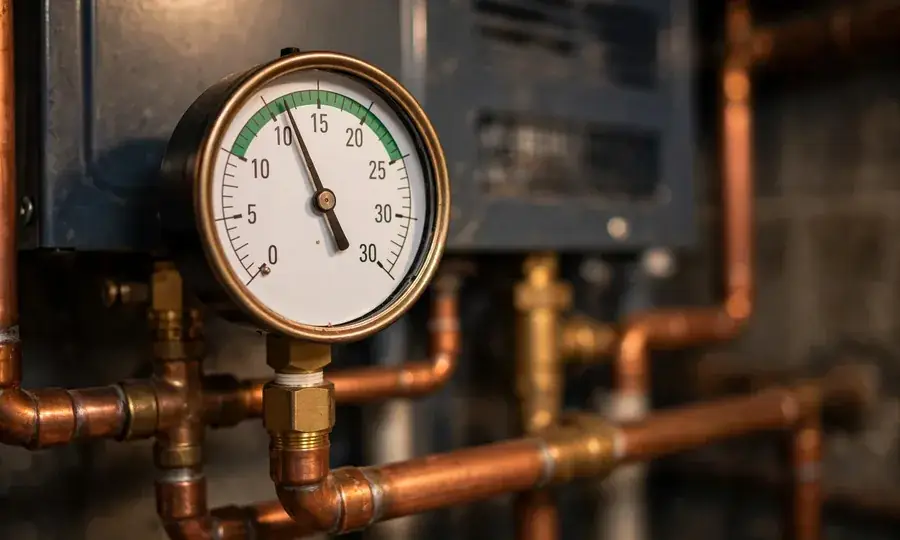
Water leaks, persistent pressure loss, and pressure fluctuations.
View Boiler Leak & Pressure Repair
Seasonal inspections and preventive system care.
View Boiler Maintenance
Cold radiators, uneven heat, noise, and distribution problems.
View Radiator & Baseboard Heating RepairCall with your ZIP code, affected heating zones, and symptoms. Ask about circulator pump diagnosis, repair availability, and charges before scheduling.