
Identify the system and affected rooms
Confirm whether heating is steam or hot water, which rooms are affected, and whether the problem is constant or intermittent.
Cold radiators, noisy baseboards, leaks, or uneven heating can leave rooms uncomfortable even while the boiler runs. Steam and hot-water systems need different checks. Call to discuss your heating problem and available repair options.
Enter your ZIP code or city, then call to confirm availability for this repair.
Search results do not guarantee a local contractor or appointment.
Problems may originate in the heat emitter, piping, boiler circulation, or zone controls. The right diagnosis depends on whether the system uses steam or hot water.
Common signs include the following. These symptoms can have more than one cause, so diagnosis matters.

The repair approach starts by identifying the distribution system; steam-radiator procedures are not interchangeable with hot-water baseboard procedures.
Confirm whether heating is steam or hot water, which rooms are affected, and whether the problem is constant or intermittent.
A qualified technician may inspect valves, vents, circulation, zone controls, pipe conditions, and radiator or baseboard components.
Discuss whether a valve, vent, fitting, circulator, or control needs attention and whether the proposed work addresses the root cause.
Do not open a boiler cabinet, alter gas fittings, bypass safety controls, or work on pressurized components without appropriate qualifications.
A clear call process, without promising coverage or an on-site arrival time.
Use (888) 766-1474 for repair inquiries; emergency calls are accepted 24/7.
Share symptoms, boiler type, and any visible error codes or leaks.
Provide the service ZIP code so local availability can be checked.
Ask about qualifications, assessment fees, scheduling, and next steps.
A radiator is a box that must fill with hot water and vent its air. Everything else is detail.
Cold top, hot bottom means trapped air — bleed it. Cold bottom, hot top means sludge: magnetite sediment settled where flow is slowest, and the radiator needs flushing. One radiator stone cold while others heat means its valves are shut, its thermostatic head has stuck closed, or its branch is airlocked — not a boiler problem. All radiators lukewarm points upstream: boiler output, pump, or system-wide balancing.
Thermostatic radiator valves (TRVs) deserve special mention: their wax/liquid sensor heads seize after summers of disuse, typically stuck closed — the single most common "radiator worked last winter" cause, fixed by freeing or replacing the head.
Fin-tube baseboard has its own short list.
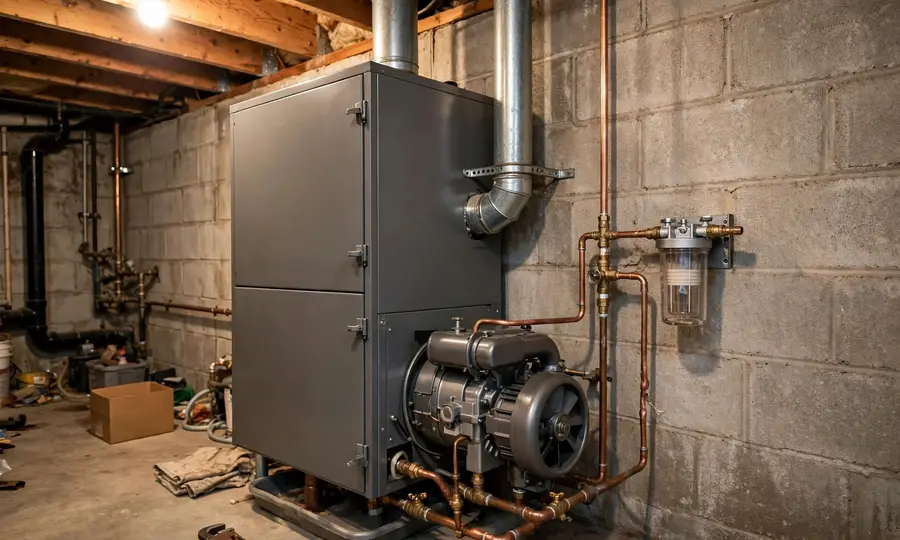
Answers to common questions before requesting service.
Possible causes depend on the system: a hot-water radiator may have an air or flow problem, while a steam radiator may have a vent or valve issue.
Metal expanding and contracting can make occasional ticking sounds. Loud banging, persistent gurgling, or a change in performance should be checked.
Yes. Distribution issues such as a circulator, zone valve, air blockage, or steam vent fault can prevent heat from reaching rooms.
No. Steam operates through vapor distribution and condensate return; hydronic systems circulate hot water. Diagnosis and safe servicing differ.
Not always. Some leaks involve fittings, valves, or vents; corrosion or damage to the radiator body can make replacement more appropriate.
A thermostat, zone valve, wiring problem, trapped air, or circulation fault may affect an individual zone.
The affected component, accessibility, leak extent, system type, and labor needed determine cost. Ask about diagnostic fees and an itemized estimate.
Describe the affected rooms, whether the system is steam or hot water if known, noises or leaks, and your ZIP code.
Sludge — mostly magnetite, a black iron-oxide sediment that forms as system water corrodes steel radiators from inside. It settles at the bottom where flow is slowest. Bleeding will not fix it (that releases air from the top); the radiator needs individual flushing, and the system water should be treated with inhibitor to slow recurrence.
They save by stopping overheating in rooms that do not need it — spare bedrooms, sunny rooms — letting the boiler satisfy the main thermostat sooner. They do not make the boiler more efficient directly. A seized TRV stuck closed just looks like a dead radiator, which is why they are checked first when one radiator misbehaves.
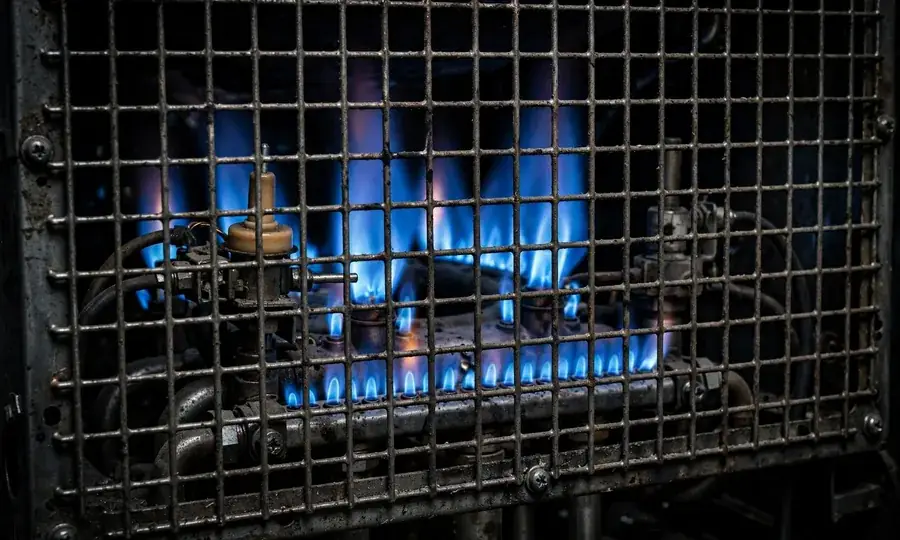
Startup failures, error codes, sensors, and electrical controls.
View Service Details →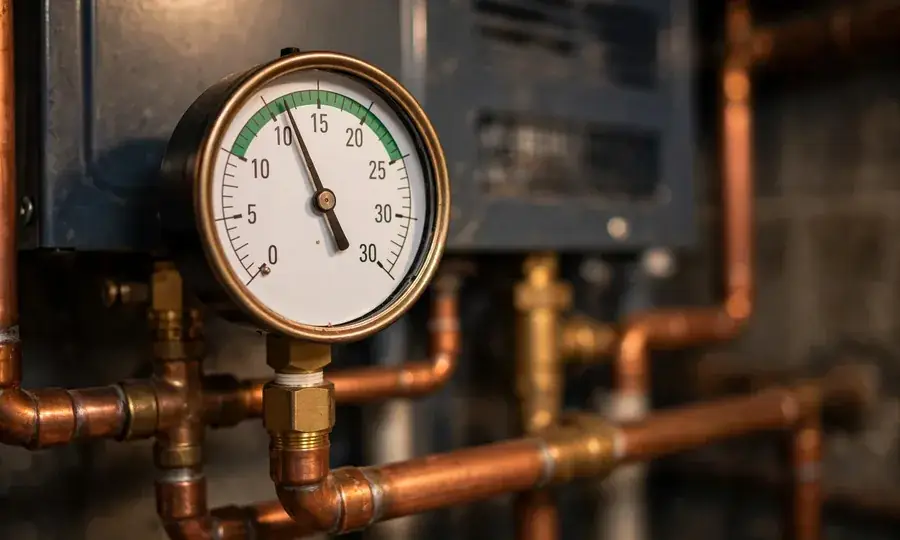
Water leaks, persistent pressure loss, and pressure fluctuations.
View Service Details →
Seasonal inspections and preventive system care.
View Service Details →
Hot-water circulation, zones, and pump-related heating failures.
View Service Details →Tell us which rooms are affected, whether you see water leaks, and your ZIP code. Ask about diagnosis and available repair scheduling.