
Locate the source
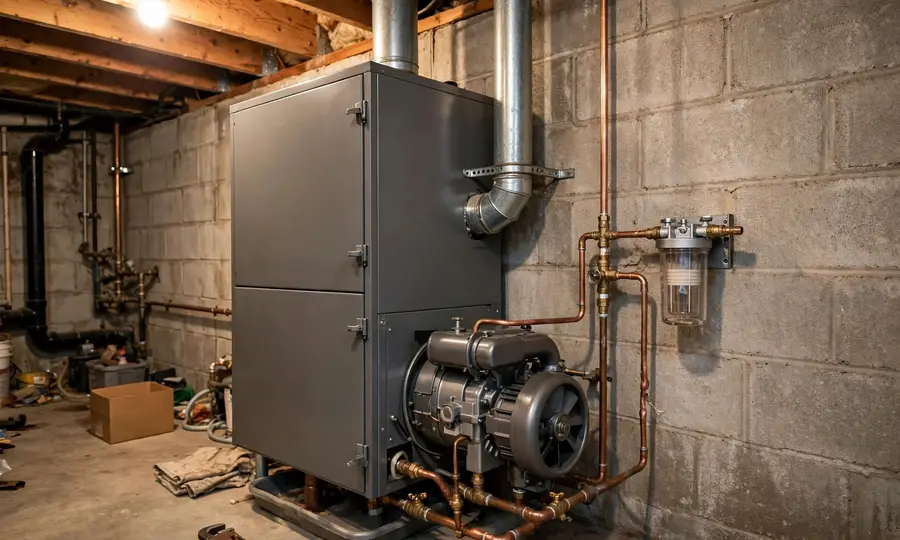
Inspect visible fittings, pumps, valves, discharge piping, and evidence of internal leakage.
Water dripping from your boiler, a pressure gauge that keeps falling, or water coming from a relief pipe? These problems can interrupt heating and damage nearby surfaces. Call to describe what you see and ask about repair options in your area.
General inquiries: 7 AM–7 PM · Emergency calls: 24/7. On-site availability must be confirmed.
Enter your ZIP code or city to check area listings. You can also call to ask about availability.
Coverage and appointment availability are not confirmed by this search.
The location of a drip and how the pressure changes can help narrow down the issue, but the cause needs proper diagnosis.
Hot-water heating systems may lose pressure through leaks, expansion-tank faults, or relief-valve discharge. Steam boilers use different operating pressures and water-level controls, so the correct checks depend on the system.
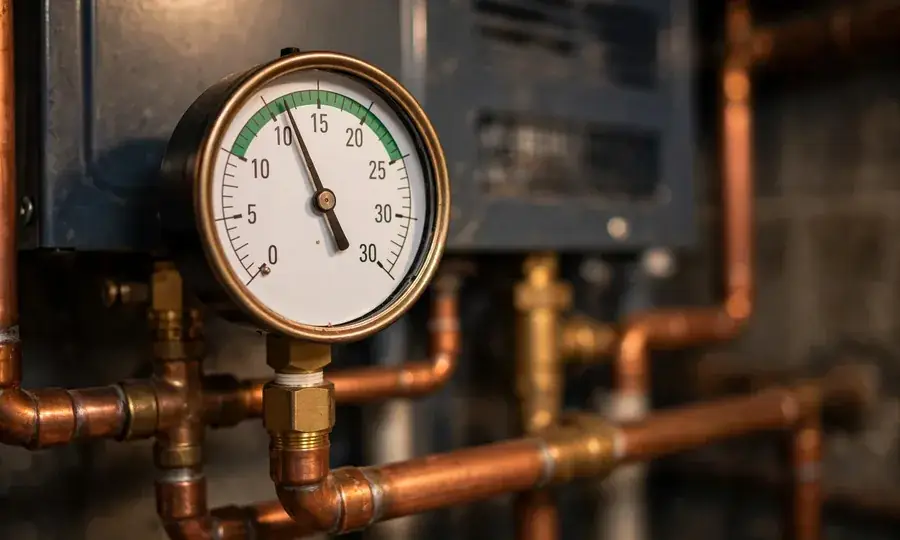
The goal is to identify why water is escaping or pressure is changing before replacing parts. On sealed hot-water systems, the expansion tank accommodates water volume changes as heating occurs; steam boilers use different water-level and pressure controls.
Inspect visible fittings, pumps, valves, discharge piping, and evidence of internal leakage.
For sealed hot-water systems, assess cold and hot gauge readings, the expansion tank, fill valve, and relief valve. Steam systems require their own water-level and pressure checks.
Discuss the suspected fault, necessary parts, diagnostic charges, and whether repair or replacement is reasonable before work is authorized.
Safety: Do not cap a relief discharge pipe, remove hot fittings, repeatedly refill a leaking system, or adjust pressure controls yourself. For rapidly escaping hot water or steam, keep clear and seek urgent professional advice.
Explain where water appears, whether the gauge rises or falls, and whether the boiler serves hot-water or steam heating. Do not touch hot discharge piping or block a relief pipe.
Tell us whether water is leaking, the boiler is shutting down, or the gauge is changing.
Share your boiler type, visible leak location, and gauge reading if it is safe to observe.
Give your city or ZIP code so available options can be discussed; coverage is not guaranteed.
Ask about diagnostic charges, scheduling, qualifications, and repair estimates before authorizing work.
A sealed heating system should sit steady. When the gauge moves, it is telling one of three stories.
Story one — pressure climbs when hot, dumps water, then reads low: the expansion tank has lost its air charge or its diaphragm has failed. Water expands as it heats with nowhere to go, the pressure relief valve lifts at 30 psi and dumps water outside, and the cold system now reads low. Recharging or replacing the vessel fixes it.
Story two — pressure falls steadily to zero: water is leaving the system. The leak can be tiny — a valve gland, a pinhole, a weeping joint — because sealed systems hold little water. The fill loop tops it up, masking the leak while fresh oxygenated water corrodes from inside.
Story three — water visibly coming from the boiler: section cracks, heat-exchanger failure, pump seals, or relief-valve discharge. Location and timing (hot vs. cold) narrow it fast.
Three mistakes that turn a small pressure problem into a big one.
Answers to questions homeowners commonly ask before arranging leak or pressure repair.
A small drip can become a larger leak and may damage electrical parts or nearby property. Avoid touching hot water or steam and arrange an assessment. If water is escaping rapidly or an electrical hazard is present, keep clear and seek urgent help.
For a sealed hot-water boiler, common possibilities include leaks, relief-valve discharge, or a problem with the expansion or fill system. A gauge reading alone cannot identify the faulty component.
Some increase is normal in a hot-water system. A large or unusual rise can indicate an expansion-tank or pressure-control problem. The expected readings depend on the equipment and installation.
It may be responding to excess system pressure or the valve may not be sealing properly. Never cap or block the pipe. A technician should investigate the cause before parts are replaced.
Repeated topping up is not a lasting fix and can introduce fresh oxygen and minerals that harm heating components. Follow the boiler manual and obtain professional advice rather than repeatedly refilling a system that loses pressure.
Steam boilers work differently from sealed hot-water systems. Steam pressure, sight-glass water levels, condensate return, and low-water controls require steam-specific diagnosis. Do not apply hot-water pressure targets to a steam boiler.
Cost depends on the leak location, whether access is difficult, which components failed, and any diagnostic or after-hours fees. Ask about inspection charges and request a written scope and price before approving repairs.
External joints, valves, and some replaceable components may be repairable. An extensively corroded or leaking heat exchanger may change the economics or feasibility. The boiler condition and part availability determine the recommendation.
Cold, most residential sealed systems sit at 12–15 psi (about 1–1.2 bar) — enough to push water to the top of a two-story house. Hot, it rises a few psi. Zero means the system cannot circulate properly; sustained readings near 30 psi mean the relief valve is about to lift. A gauge that swings wildly between the two usually means expansion tank trouble.
Sometimes — valves do fail. But a dripping PRV is more often doing its job against excess pressure from a failed expansion tank or an overfilled system. Replacing the valve without checking vessel charge just buys a new valve to drip. Test the vessel first.
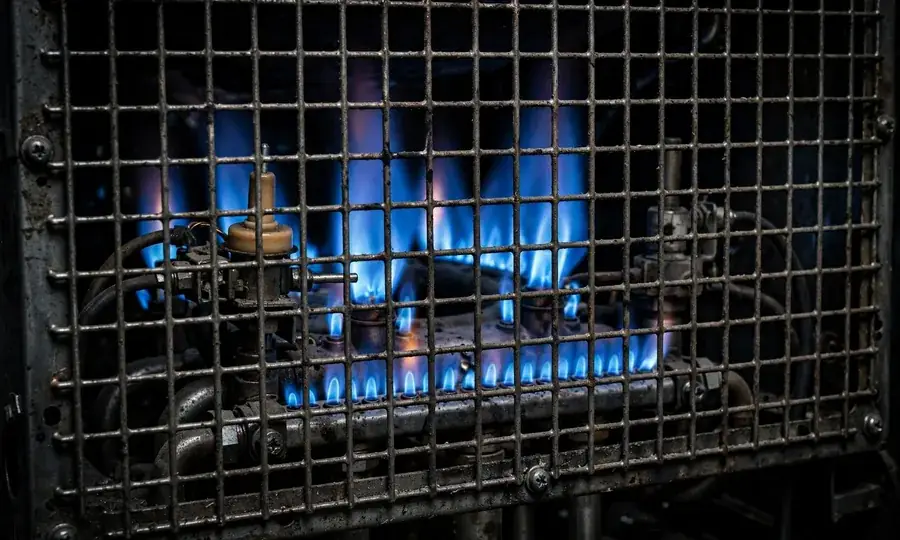
Startup failures, error codes, sensors, and electrical controls.
View Service Details →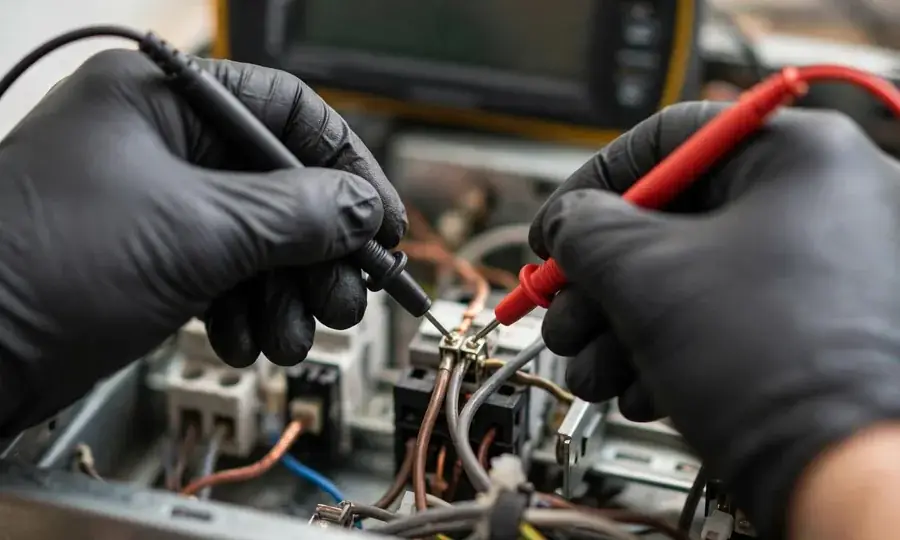
Seasonal inspections and preventive system care.
View Service Details →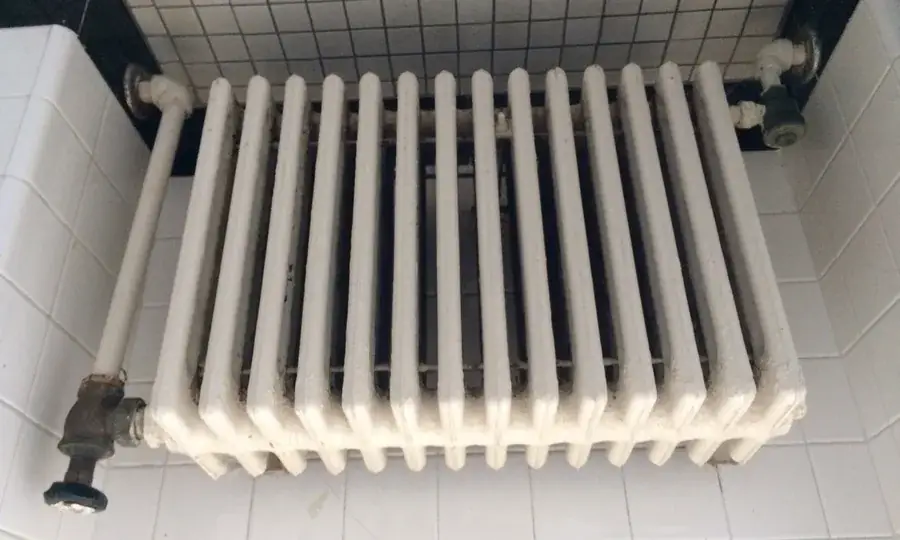
Steam pressure, water-level, venting, and radiator concerns.
View Service Details →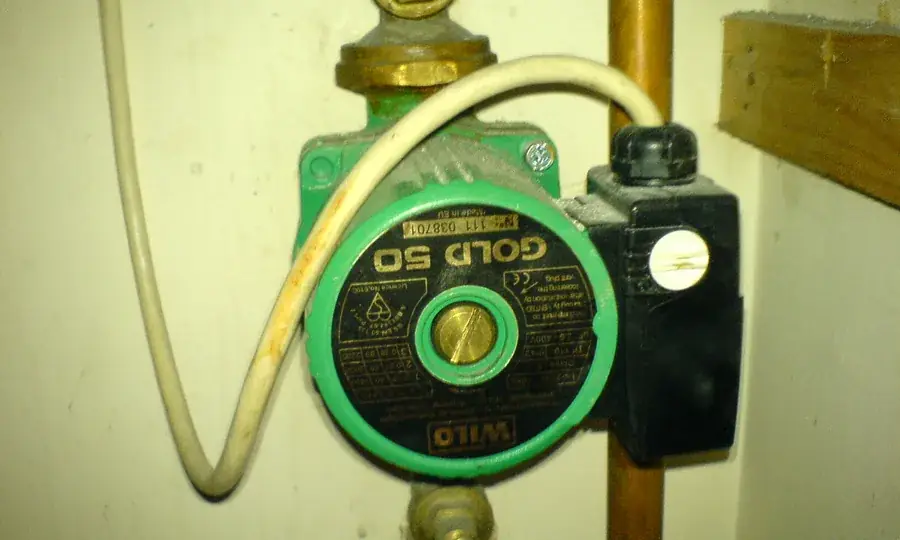
Hot-water circulation, zones, and pump-related heating failures.
View Service Details →Tell us where water appears, what the pressure gauge shows, and whether your system heats with steam or hot water. Call to ask about diagnostic fees and availability. Never plug a safety-relief discharge pipe.