
No Heat
The boiler may start but radiators or baseboards stay cold. Note whether the problem affects one zone or the entire property.
No heat, water leaking from your boiler, repeated shutdowns, or unfamiliar noises? Call to describe the problem and your boiler type, if known. You can also enter your ZIP code or city to check available location information. Repair availability is confirmed by phone.
Have your ZIP code and a brief description of the problem ready. The search does not book a repair appointment.
General Inquiries: 7 AM–7 PM Emergency Calls: 24/7
Enter your ZIP code or city to check our current location listings. Call to confirm whether repair help is available in your area.
Search our current location listings across 9 states. No match? Call to check availability.
Different faults can cause similar symptoms. Take note of what you can see or hear safely; a repair professional can identify the cause.
The boiler may start but radiators or baseboards stay cold. Note whether the problem affects one zone or the entire property.
Water near a pipe, fitting, or boiler casing deserves attention. Keep away from hot water and wet electrical components.
Repeated drops or unusually high readings can signal a system issue. Steam and hot-water boilers operate differently.
New knocking, gurgling, or whistling may involve water flow, steam distribution, trapped air, or other faults.
Ignition, safety controls, or electrical components may prevent startup. Record any displayed fault code.
Uneven room temperatures may involve circulation, valves, controls, or distribution—not necessarily the boiler itself.
No heat, a leak, or repeated shutdowns? Call (888) 766-1474 to describe the problem, or read about boiler leak and pressure repair.
Boiler problems vary by heating system. Choose the type of repair that matches your boiler or the problem you are experiencing.
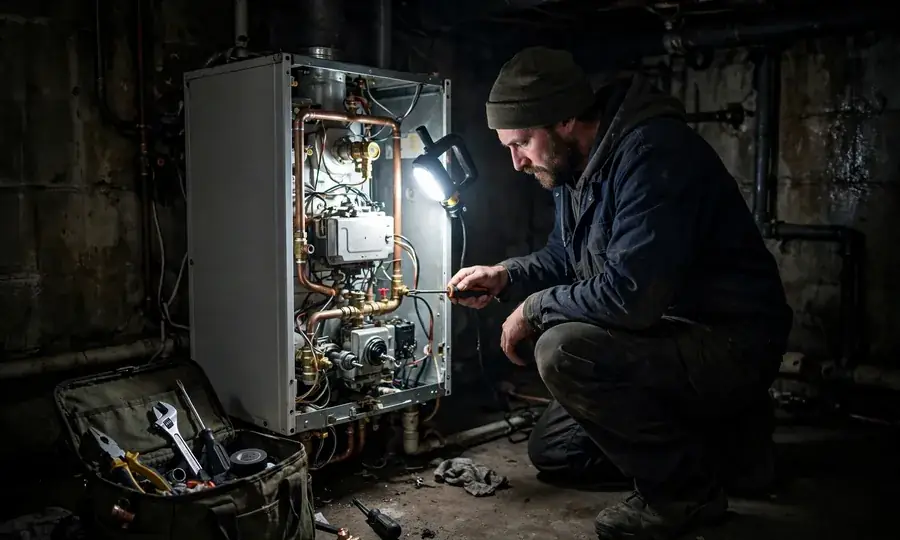
Urgent loss of heat, significant leaks, repeated shutdowns, and other time-sensitive concerns.
Emergency repair details →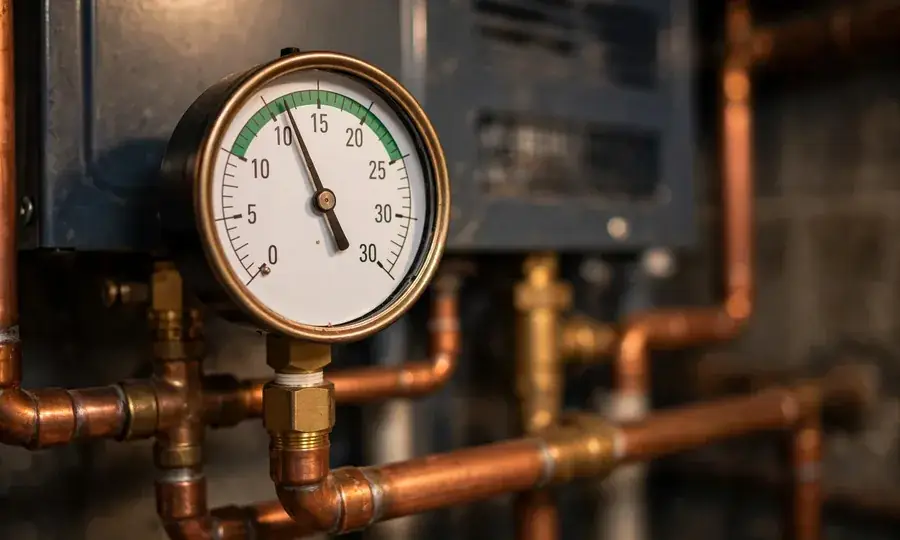
Visible water leaks, falling system pressure, relief-valve discharge, and pressure swings.
Leak and pressure repair details →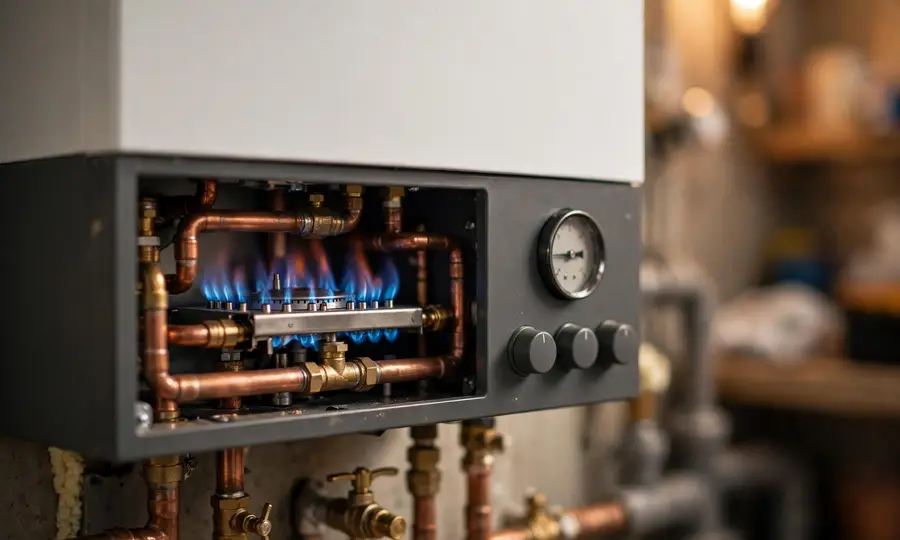
Burner ignition, controls, lockouts, and heating faults in gas-fired boiler systems.
Gas boiler repair details →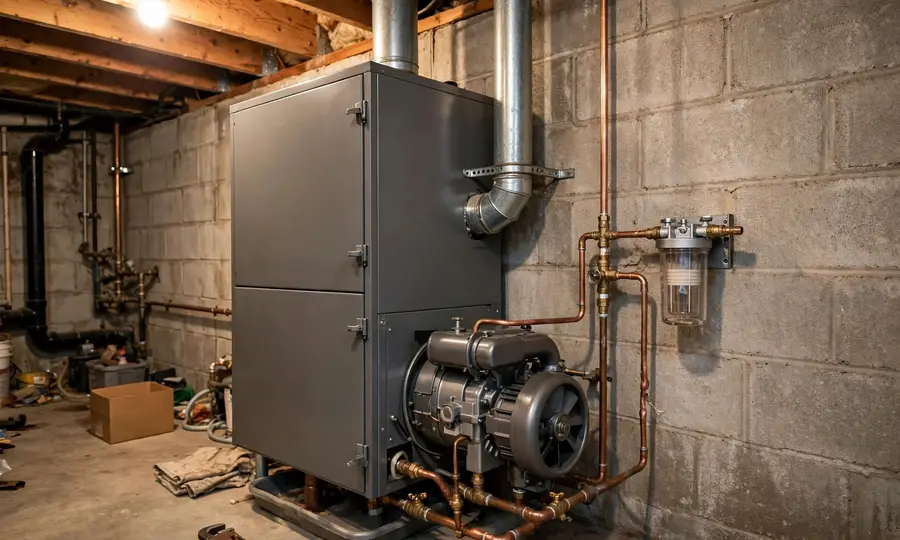
Oil burner startup, flame problems, soot concerns, and heating performance issues.
Oil boiler repair details →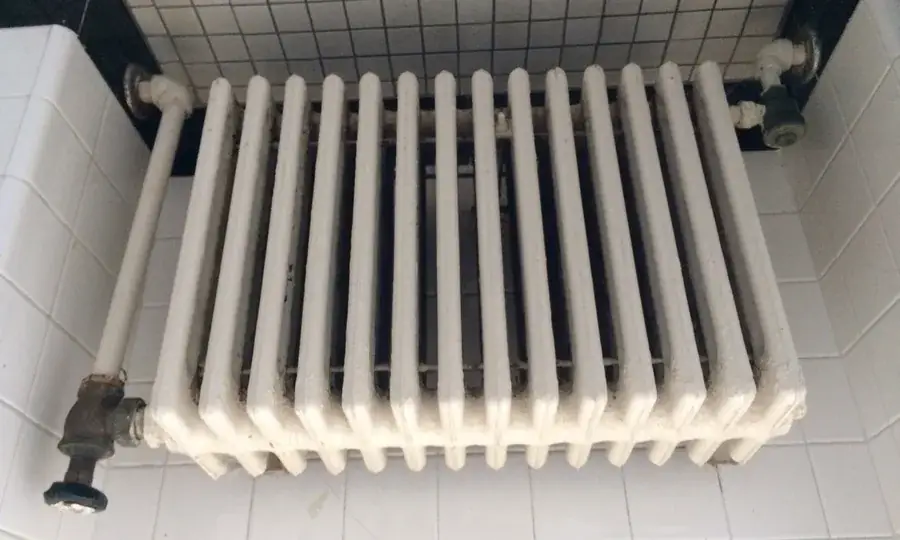
Steam pressure, water-level controls, vents, and radiators that fail to heat evenly.
Steam boiler repair details →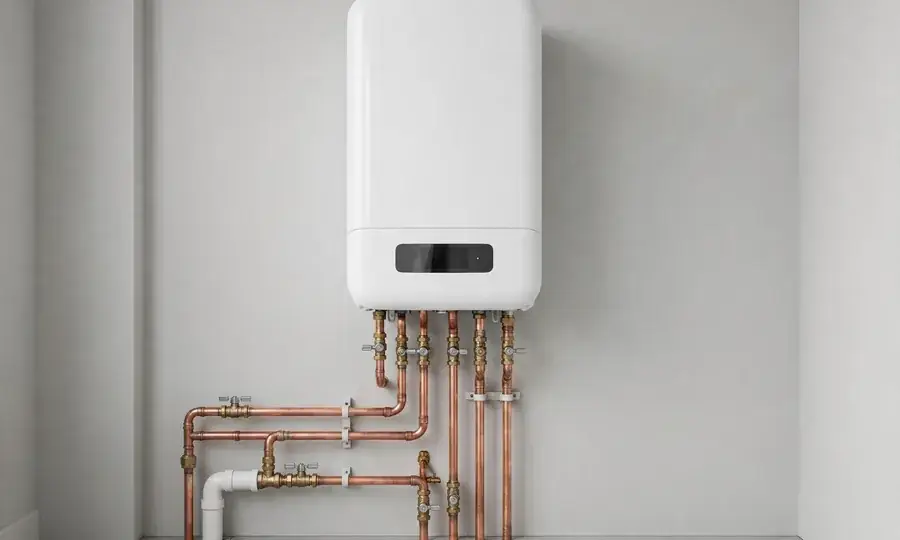
Heating and domestic hot-water faults in combination boiler systems.
Combi boiler repair details →Call with your location and a brief description of the issue. You can ask about availability and what happens next.
Mention loss of heat, fault codes, leaks, unusual noises, or changes in hot water.
Provide the ZIP code or city, along with the type of property and boiler if known.
Confirm availability in your area and ask how the boiler will be assessed before approving repairs.
You do not need to know what is wrong before calling. These details can help explain the problem.
Without opening the equipment, note any display message and whether the thermostat is calling for heat. Consider whether all radiators are cold or just one area, and whether a combi boiler has also stopped supplying hot water.

Before approving repairs, ask what caused the fault, what the price covers, and who will do the work.
Ask what the inspection found and whether the fault is in the boiler, its controls, or the connected heating system.
Request an explanation of labor, parts, diagnostic charges, and any recommended additional work before approving it.
Confirm the professional's relevant licensing and insurance where required, plus any equipment-specific qualifications.
Learn what common warning signs mean and how different boiler systems work.
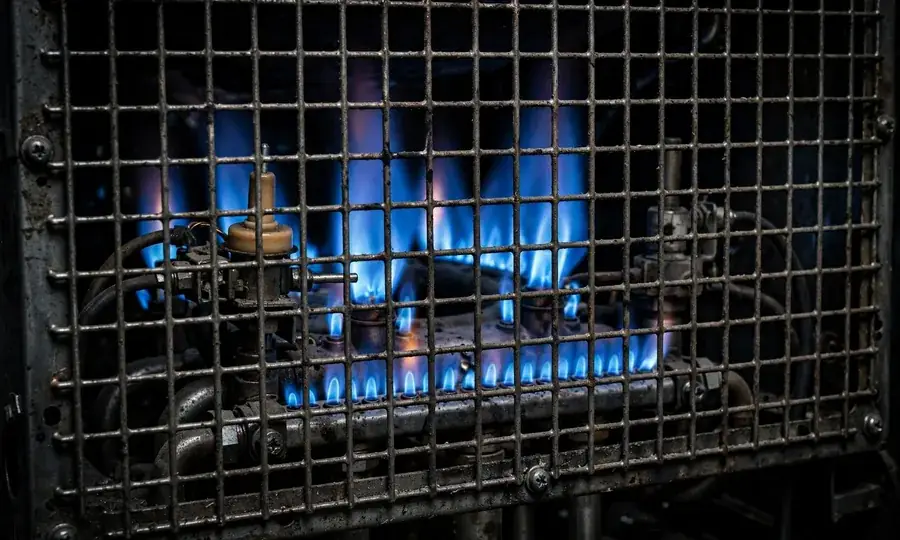
Distinguish warning signs that warrant attention from ordinary heating-system operation.
Read the guide →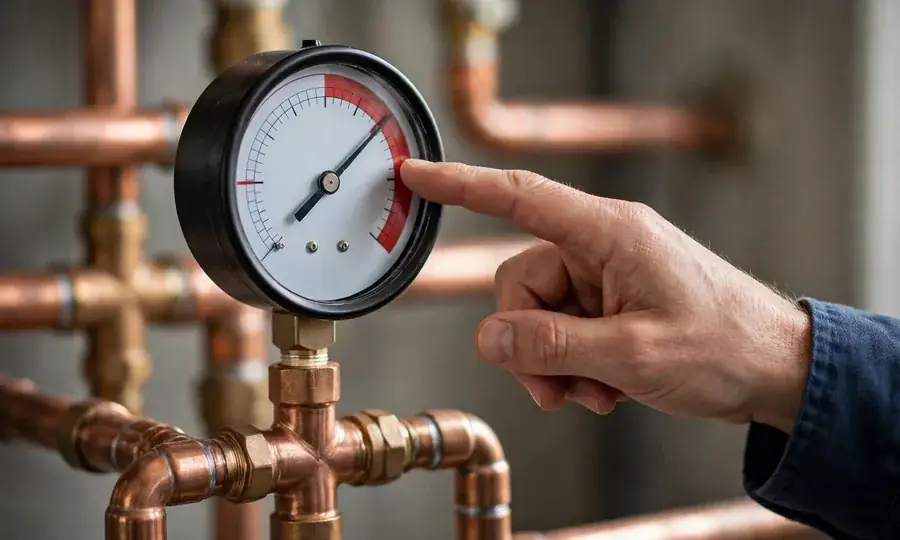
Learn why pressure readings matter and why normal ranges differ between system types.
Read the guide →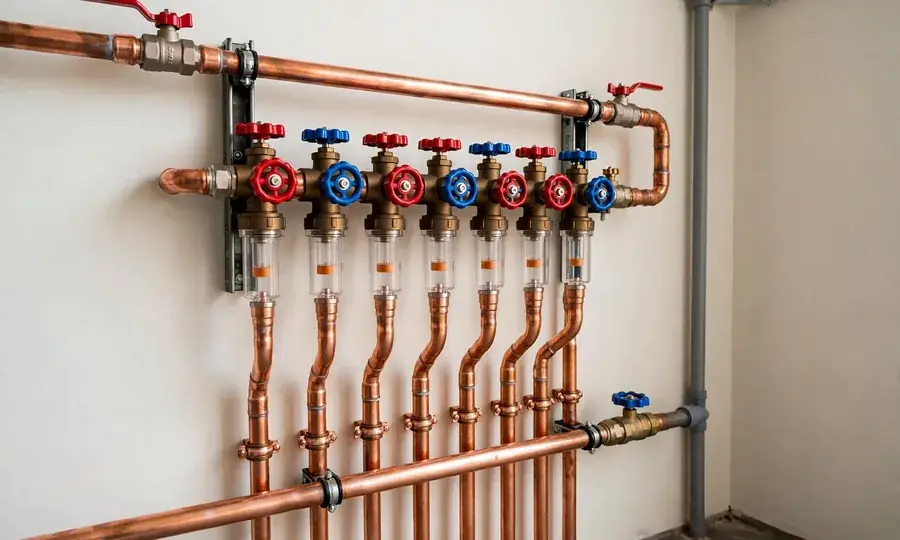
See how distribution and controls differ—and why the type of system affects troubleshooting.
Read the guide →What actually happens from your first call to a fixed boiler.
Most boiler problems are diagnosed in layers, and the first layer is a conversation. When you call, you describe what the boiler is doing — or not doing — and answer a few targeted questions: Is there an error code on the display? Did the problem start suddenly or gradually? Is it affecting heat, hot water, or both? Those answers let the person on the phone narrow the fault to a system — ignition, circulation, pressure, controls — before anyone travels.
You then share your ZIP code so coverage and options for your area can be checked. If service is available, you are connected with a local pro who takes it from there: confirming the diagnosis on site, testing rather than guessing, and explaining what they find before work begins. The phone call costs nothing and the on-site diagnosis is where parts get named.
The right questions depend on the system. Here is how to tell what you have.
A gas boiler has a flue to the outside and usually a wall-mounted white cabinet; faults center on ignition, flame sensing, and pressure. An oil boiler has a separate oil tank and a burner with a visible blast tube; soot, delayed ignition, and fuel-supply issues dominate. A steam boiler has a sight glass showing water level and large pipes; banging, surging water lines, and venting problems are the classics. A combi (combination) boiler heats rooms and tap water from one compact unit with no tanks; diverter valves and plate heat exchangers are its weak points. An electric boiler has no flue at all; elements, contactors, and breakers do the failing.
If you are unsure, read any label on the casing or describe what you see on the call — fuel type plus the symptom is usually enough to route you correctly.
Not every fault can wait. Use these criteria.
For anything else — odd noises, one cold room, pressure drifting — same-day or next-day attention is usually fine, and a qualified professional can help assess the urgency.
Answers about common boiler faults, repair costs, emergency calls, and what to do next.
The cause may involve circulation, a heating zone, controls, or the boiler itself. Note whether every room is affected and arrange a qualified diagnosis.
Stay clear of hot water and electrical equipment. Do not open the casing or adjust pressurized parts; have the leak professionally assessed.
Many faults involve repairable components. Age, condition, parts availability, safety, and repair cost all affect whether replacement makes more sense.
You can call our emergency line at any hour. Whether a repair professional is available in your area—and when they can arrive—must be confirmed by phone.
Enter your ZIP code or city in the checker. If no listing appears, you can still call to ask whether repair help is available in your area.
You can call about gas, oil, steam, hot-water, and combi boilers. Mention your boiler type if you know it so the correct repair needs can be discussed.
Prices vary by fault, boiler type, parts, labor, and location. Ask whether a diagnostic or visit fee applies, what the estimate includes, and whether you must approve work before repairs begin.
Yes. Tell us the type of commercial property, boiler equipment, and ZIP code so availability can be checked.
The boiler's brand and model if visible, any error code on the display, what exactly is happening (no heat, no hot water, leak, noise), when it started, and your ZIP code. Photos of the display and any visible leaking help too.
No. The call narrows the problem and checks coverage for your area. Any repair decision happens after an on-site diagnosis, when the technician has tested the system and explained what they found.
Call (888) 766-1474 with your ZIP code and a description of the problem. Ask whether repair help is available locally and what to expect next. Pricing and scheduling are confirmed by phone.