
Review the symptoms
Describe whether the home has lost all heat, whether water is escaping, and whether there are gas, smoke, or carbon monoxide warnings. Safety hazards take priority over restoring heat.
No heat, a leaking boiler, or repeated shutdowns? Call about urgent boiler problems and ask what assistance may be available in your area. Our emergency call line is available 24/7; on-site service depends on local provider availability.
Enter your ZIP code or city to check available coverage information. For urgent concerns, calling is the most direct next step.
Online coverage may be unconfirmed. A search result is not an appointment or dispatch confirmation.
Not every boiler problem requires emergency dispatch. Losing heat during freezing weather, an active leak threatening the home, or repeated shutdowns affecting vulnerable occupants can require urgent assistance. A new noise with normal heating and no leak may allow a scheduled assessment. A gas odor, smoke, or carbon monoxide alarm is an immediate safety emergency: leave and contact emergency services or the gas utility from a safe location.
A sudden loss of heat, water escaping from a boiler, or repeated safety shutdowns needs careful assessment. The cause might involve controls, circulation, fuel supply, pressure, or another part of the heating system. Avoid repeatedly resetting a boiler that keeps locking out.
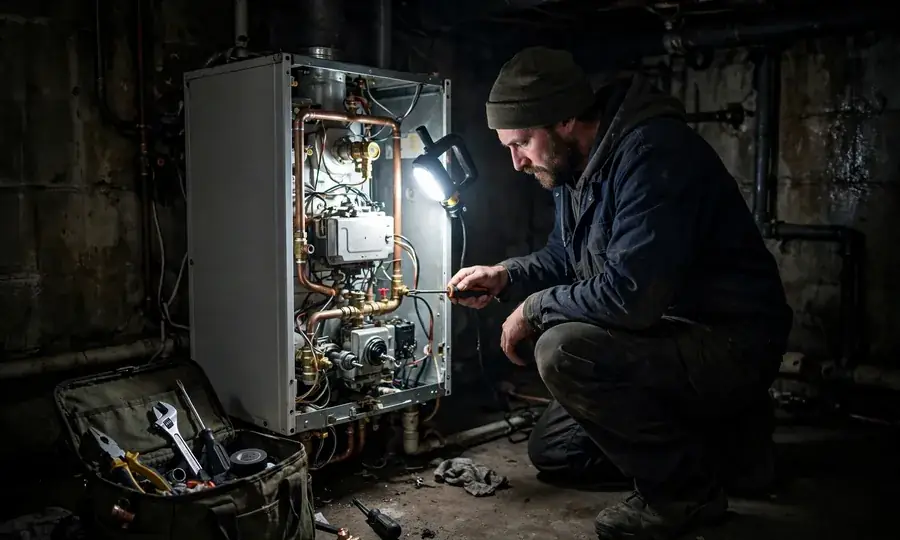
The first priority is determining whether the equipment can remain on safely. Once an appropriately qualified technician is available, a diagnosis—not the symptom alone—determines whether a repair can be completed or parts or further work are needed.
Describe whether the home has lost all heat, whether water is escaping, and whether there are gas, smoke, or carbon monoxide warnings. Safety hazards take priority over restoring heat.
The technician may check boiler pressure, safety lockouts, circulation, controls, and fuel or combustion components as appropriate. Equipment should not be restarted until any safety concern is resolved.
Ask whether the boiler can operate safely, what fault was confirmed, whether the needed part is available, and whether temporary shutdown is necessary. Request approval of charges before work begins.
Safety first: If you smell gas, leave the building and contact your gas utility or emergency services from a safe location. If a carbon monoxide alarm sounds, evacuate and call emergency services. Do not bypass safety controls, open gas connections, or work on pressurized heating equipment.
Call about the immediate hazard first. Describe the loss of heat, active leak, or shutdown and confirm whether an urgent appointment is available in your ZIP code.
Call (888) 766-1474 and explain whether you have no heat, a leak, or another urgent concern.
Share your boiler type if known, any error code, and whether the system has shut down.
Provide your ZIP code or city so available service options can be discussed.
Ask about availability, possible diagnostic charges, and what to do while awaiting professional help.
Heat loss is urgent on a sliding scale. These are the bright lines.
Everything else — banging pipes, one cold room, a pressure gauge drifting, a boiler that runs but underperforms — is urgent but not emergent. Same-day or next-day service is the right speed, and the phone triage will confirm which category you are in.
Three things that help, and two that hurt.
Help: note the exact symptom and any error code before calling — "E133, happened after the cold snap, hot water still works" beats "it's broken." Clear access to the boiler. If pipes might freeze, open cabinet doors under sinks on exterior walls and let taps drip slightly.
Hurt: repeatedly resetting a locked-out boiler — the lockout is a safety doing its job, and each reset can worsen delayed ignition. And do not open the boiler casing: beyond the shock and burn risk, disturbing a fault in progress makes diagnosis harder.
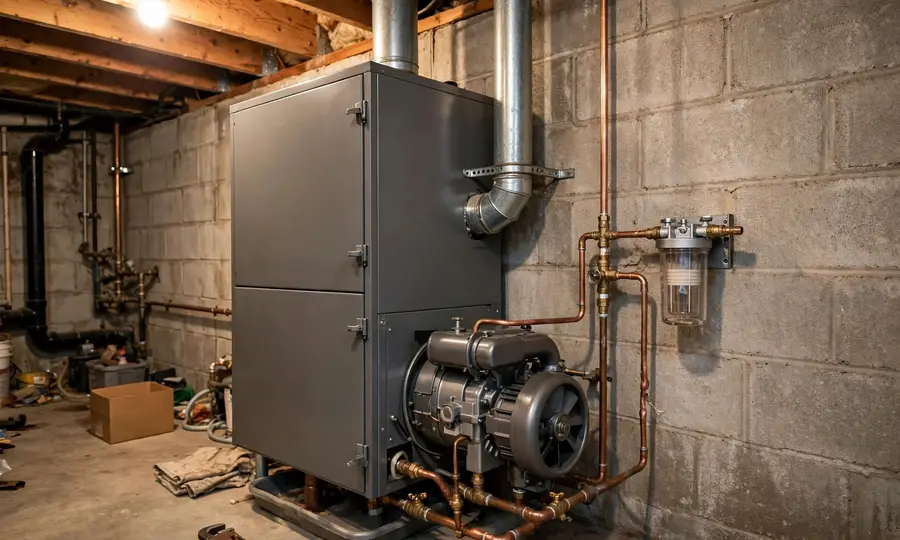
Answers to common questions when heat stops working or a boiler appears unsafe.
Yes. Emergency calls are accepted 24/7 at (888) 766-1474. This does not mean a technician or same-day appointment is available in every location.
Check your thermostat setting and whether the outage affects other utilities, without opening or repairing the appliance. If the boiler is repeatedly locking out, do not keep resetting it. Call about next steps, especially during freezing weather.
Leave the building immediately. Do not use electrical switches, flames, or a phone inside. From a safe location, call your gas utility emergency number or 911. Do not try to troubleshoot the boiler yourself.
Get everyone outside into fresh air immediately and call emergency services from outside. Do not re-enter until emergency personnel say it is safe.
Technician availability and arrival times depend on the location, circumstances, and available providers. A 24/7 call line is not a guarantee of immediate on-site service.
It can. After-hours call-out, diagnostic, labor, and parts charges vary by provider and location. Ask whether an emergency surcharge applies, what the visit includes, and whether a repair estimate will be provided before additional work.
Keep away from electrical hazards and hot or pressurized water. If safe, follow the manufacturer’s shutdown instructions; otherwise leave the equipment alone and seek professional advice. For a major leak or unsafe condition, contact emergency services as appropriate.
Have your ZIP code, boiler fuel type if known, a description of the problem, and any visible fault code ready. Mention active leaks, a gas odor, or a carbon monoxide alarm immediately.
Emergency lines are answered around the clock, and the triage on the call determines dispatch: true no-heat-in-freezing-weather, gas, CO, and active flooding go first. If your situation is urgent-but-stable, you will ask about actual appointment availability rather than a vague promise.
Leave the building immediately — do not flip switches, light anything, or use phones inside. From a safe distance, call your gas utility's emergency number or 911. Call us after the utility has cleared the building; a boiler that was part of a gas incident needs inspection before it runs again.
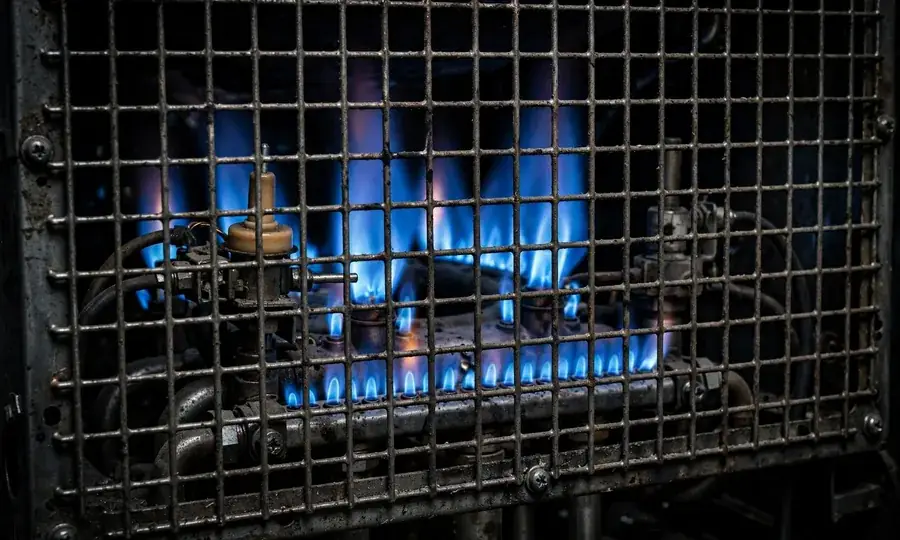
Startup failures, error codes, sensors, and electrical controls.
View Service Details →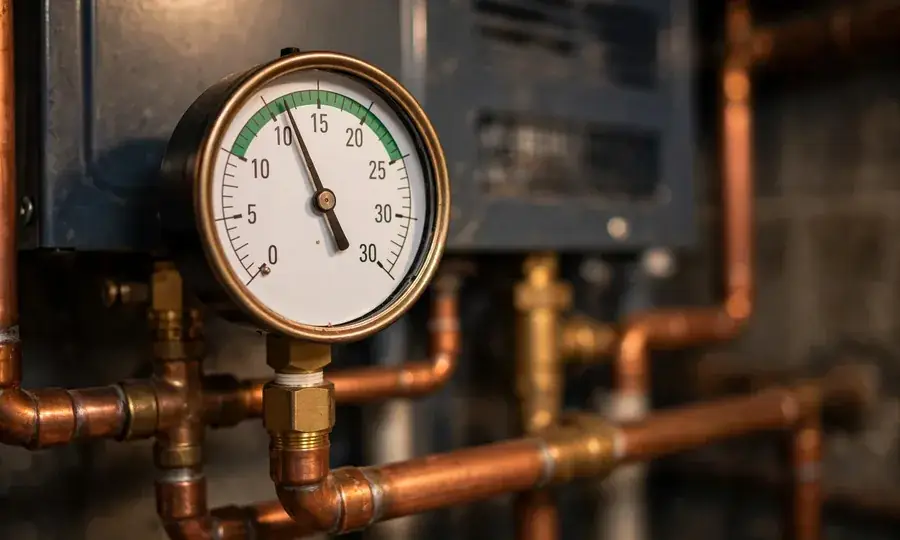
Water leaks, persistent pressure loss, and pressure fluctuations.
View Service Details →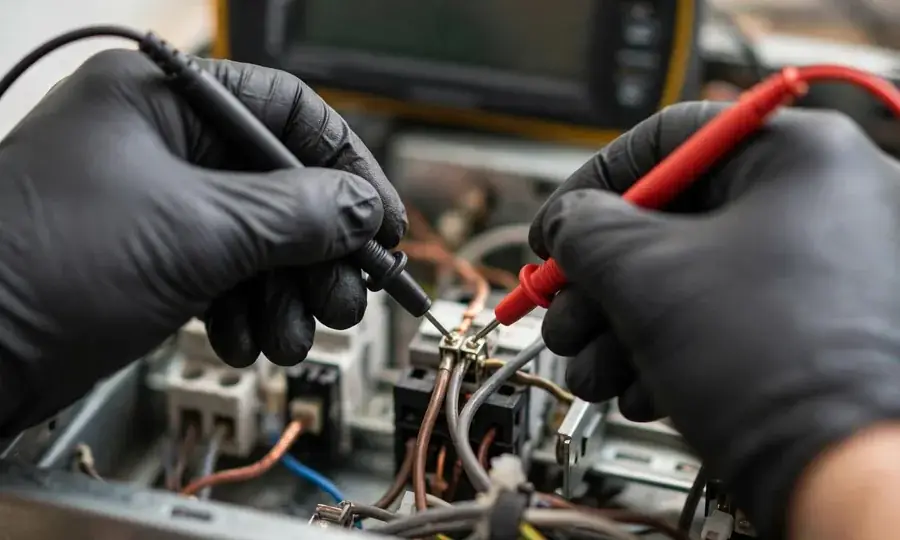
Seasonal inspections and preventive system care.
View Service Details →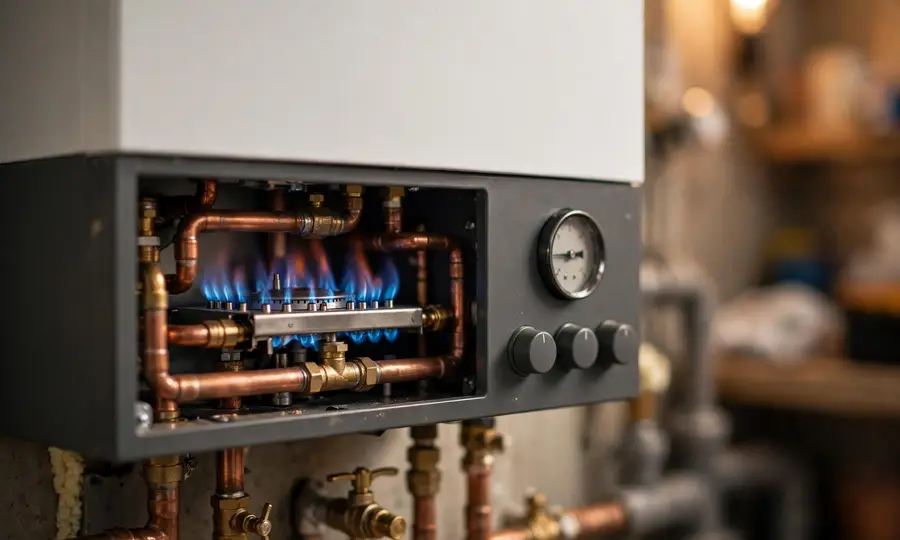
Ignition, burner, heating-control, and no-heat problems.
View Service Details →Call with your ZIP code and describe the loss of heat, leak, or shutdown. Ask whether an urgent assessment is available, what fees may apply, and what to do while the system is off. For gas odor or a carbon monoxide alarm, leave immediately and call emergency services instead.
Call (888) 766-1474General Inquiries: 7 AM–7 PM · Emergency Calls: 24/7