
Review the boiler and service history
Identify the boiler type, manufacturer schedule, past faults, and any symptoms.
Routine boiler maintenance can help identify wear, leaks, combustion issues, and changes in heating performance before they lead to bigger problems. Ask about a professional inspection suited to your boiler type and manufacturer schedule.
General inquiries: 7 AM–7 PM · Emergency calls: 24/7. Service availability must be confirmed.
Enter your ZIP code or city, or call to ask about available service options.
Search results do not guarantee coverage or an appointment.
Recognize these situations and discuss the right next step before scheduling work.
A professional assessment should match the equipment, symptom history, and manufacturer guidance. Do not open combustion chambers, bypass safety devices, or work on pressurized equipment yourself.
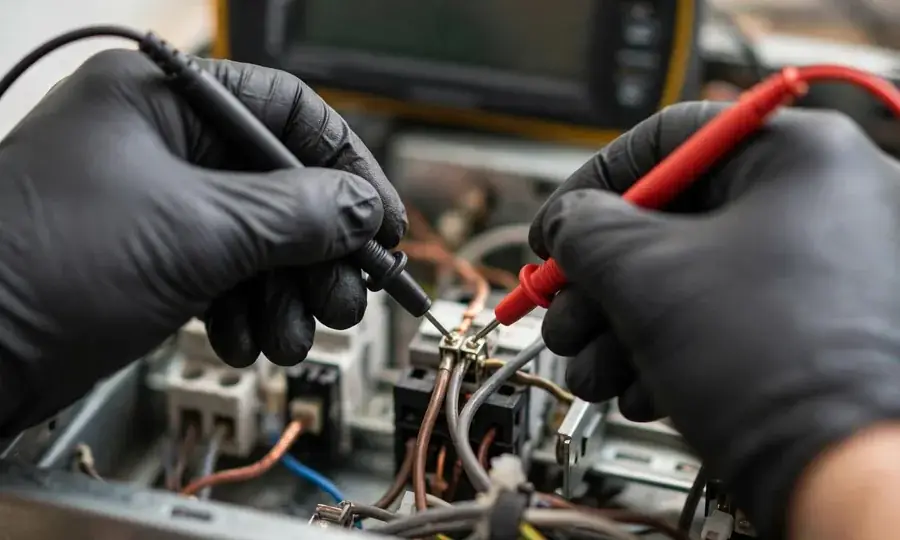
The scope depends on the boiler, its condition, and what the assessment reveals.
Identify the boiler type, manufacturer schedule, past faults, and any symptoms.
Depending on fuel and system type, qualified personnel may check the burner, venting, controls, water pressure, leaks, and heat circulation.
Discuss maintenance tasks, any separately quoted repairs, and when the next inspection should occur.
Do not open a boiler cabinet, alter gas fittings, bypass safety controls, or work on pressurized components without appropriate qualifications.
Start with a phone call to describe the equipment and confirm the next steps.
Call (888) 766-1474 and explain the type of service you need.
Share the fuel type, model if known, and the symptoms or project goals.
Provide your ZIP code to ask whether service options are available.
Ask about assessment fees, scheduling, and any estimate before authorizing work.
Maintenance is testing and cleaning, not a glance and a sticker.
Skipped maintenance does not cause one failure — it causes all of them, slightly earlier.
Efficiency drifts first: a burner a few percent out of tune burns a few percent more fuel all season. Then reliability: the nozzle that would have been replaced fails on the coldest night; the LWCO that would have been flushed sticks. Then lifespan: chronic low water from an unnoticed leak, or acidic condensate eating an unmaintained trap, takes years off the pressure vessel. The tune-up is cheap compared to any one of those — which is the entire economic argument for it.
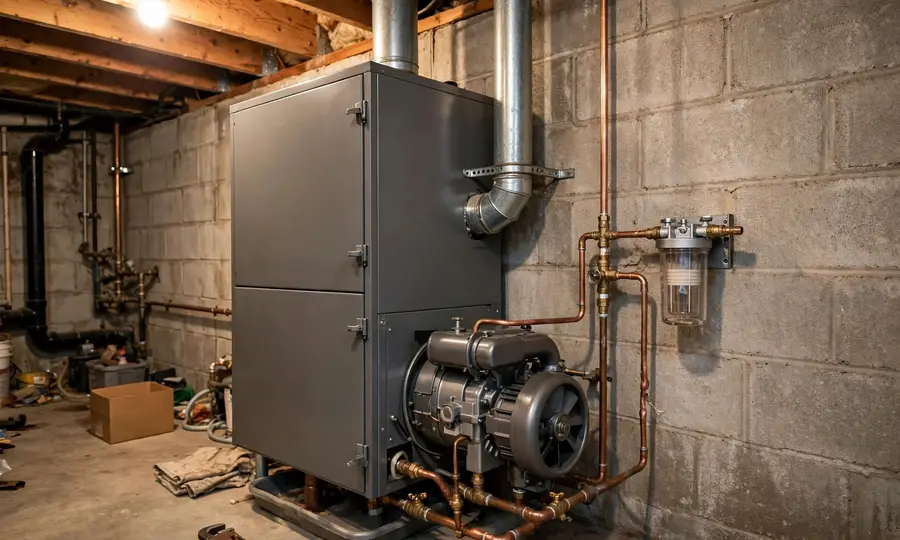
Answers to practical questions before you arrange service.
Follow the manufacturer’s instructions and applicable local requirements. Many residential boilers receive an annual professional inspection, but the appropriate interval varies.
Depending on the boiler, an appointment may include visual safety checks, inspection of burner or heat-transfer components, venting, controls, system pressure, and evidence of leakage.
Yes. Oil-fired equipment may require attention to filters, burner condition, and soot; gas equipment requires fuel- and combustion-specific checks. Exact tasks depend on the unit.
Yes. Steam equipment may require checks of water level, low-water cutoffs, vents, and pressure controls that do not apply in the same way to sealed hot-water systems.
No. It may uncover developing faults, but individual components can still fail unexpectedly.
Ask what was found, whether the system is safe to operate, and whether repair requires a separate estimate before authorizing work.
Before the heating season is often convenient, but address leaks, unusual odors, safety alarms, and failures promptly rather than waiting for routine service.
The price depends on system type, accessibility, tasks included, and location. Confirm the visit fee and what is included when calling.
Annually, before heating season — for oil without exception (nozzles and filters are consumables), and for gas and steam as well since safeties and combustion drift. Skipping a year rarely causes immediate failure, which is exactly why the habit dies; the cost shows up as fuel waste and earlier breakdowns.
A tune-up is scheduled, preventive, and follows a checklist whether or not anything is wrong. A repair visit is diagnostic: something has failed and the job is to find it. A good tune-up sometimes finds the thing that would have been next month's repair visit.
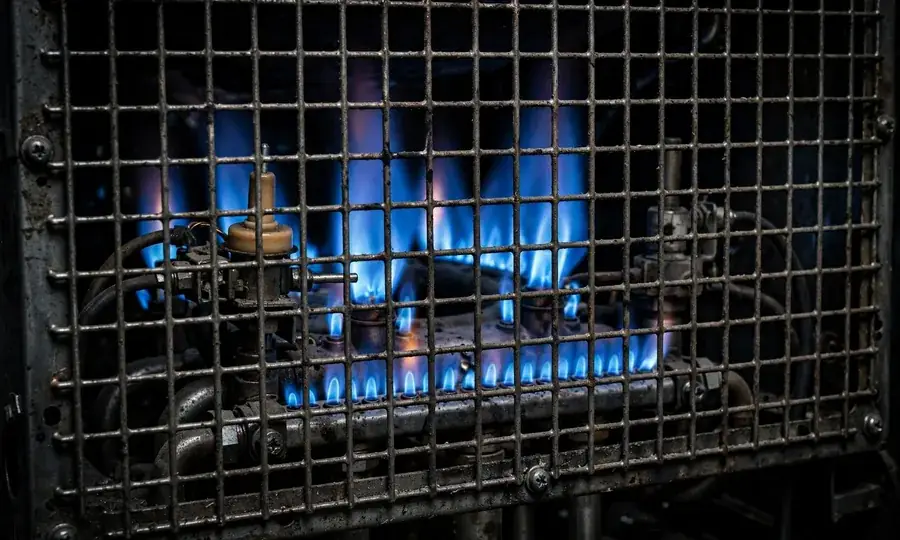
Startup failures, error codes, sensors, and electrical controls.
Explore service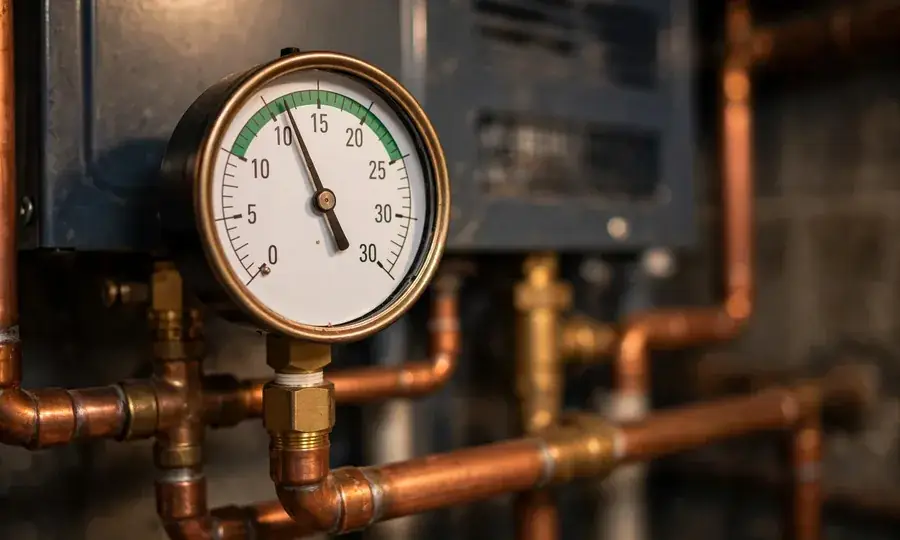
Water leaks, persistent pressure loss, and pressure fluctuations.
Explore serviceOil burner, ignition, fuel-delivery, and soot-related issues.
Explore service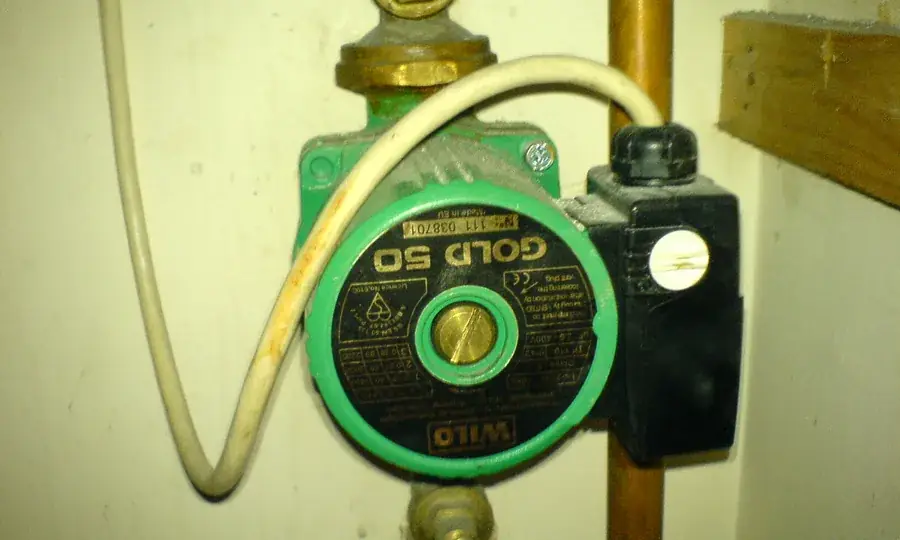
Hot-water circulation, zones, and pump-related heating failures.
Explore serviceTell us your boiler type, location, and when it was last inspected. Call to ask about available maintenance options and any assessment charges.
Call (888) 766-1474Tell us what's happening with your heating system and where service is needed.