
LEBANON GAS SERVICE

Gas Boiler Repair in Lebanon, PA

Gas boiler will not fire, keeps locking out, or heats intermittently in Lebanon? Call to describe the symptoms.

✓ Ignition and flame faults✓ Condensate freeze-ups✓ 24/7 emergency telephone line

General inquiries: 7 AM–7 PM · Emergency calls: 24/7 · (888) 766-1474

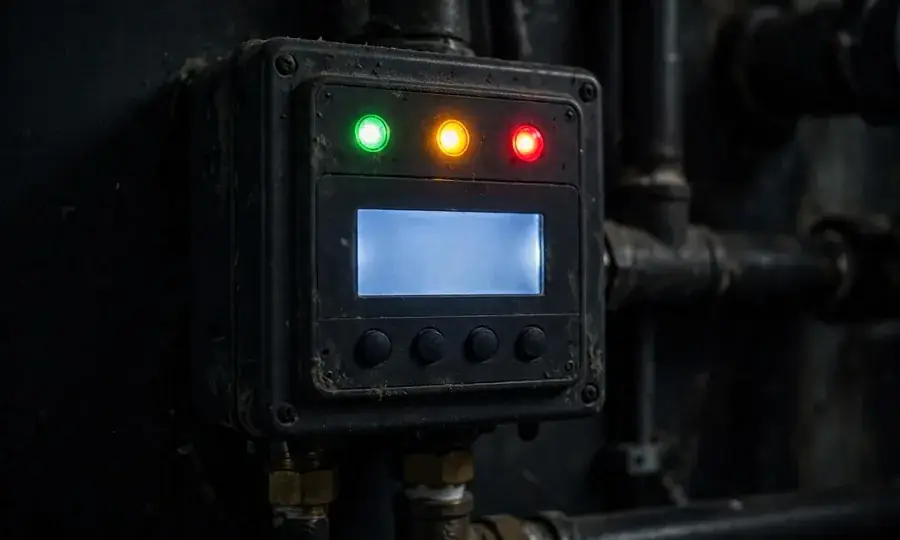
Close-up of a gas boiler control panel with indicator lights

Gas conversions in a mixed market

Lebanon is where conversions actually happen.

In most markets the fuel question is settled; in Lebanon it is live. Homes on streets where gas mains arrived after the house was built face a real choice at replacement time: stay oil or convert. The honest math includes the gas service line cost (distance from the main matters), venting changes, and sometimes chimney work — against the fuel-price spread over the boiler's life.

Conversions also change the system's character: oil's cast-iron workhorse becomes gas's sealed, controlled unit with condensate to manage. Both heat well; the decision is financial and logistical, not moral.

Gas Boiler Repair in Lebanon, PA

Gas faults in Lebanon

The gas side of a mixed market.

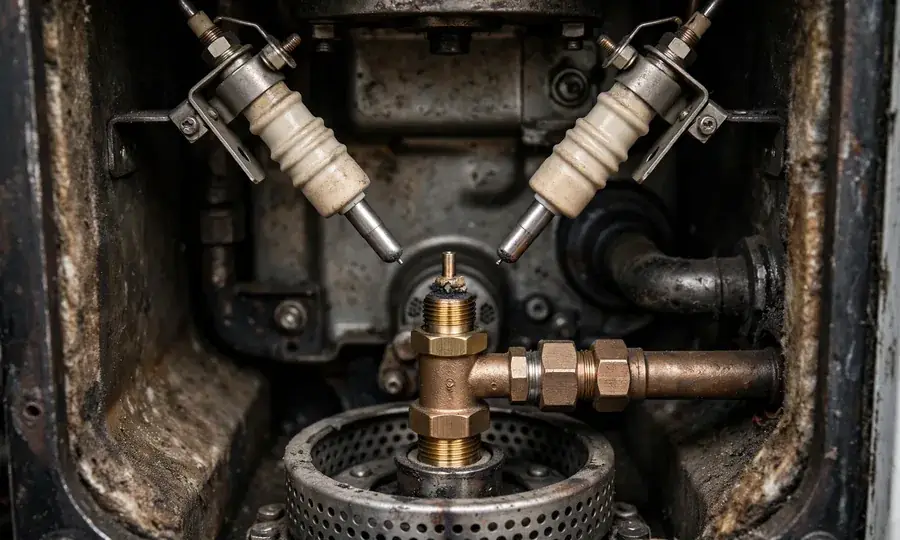
Lebanon's gas stock runs from older atmospheric units in the historic core — thermocouples, spill switches, aging gas valves — to sealed-system and condensing units in converted and newer streets, where the faults are igniters, flame sensor rods, and pressure switches.

The winter signature fault is the frozen condensate drain: exterior condensate pipework freezes on teen-degree January nights, the trap backs up, and the boiler locks out by morning. A unit that gurgled before dying in a cold snap is telling you exactly what happened.

Gas Boiler Repair in Lebanon, PA

Read your symptoms

The fingerprints.

  • Fires for seconds, then cuts out — flame sensor cannot prove flame; the most common gas call
  • Fan runs, no ignition, lockout — igniter, gas valve, or pressure switch
  • Dead on a freezing morning — frozen condensate drain until proven otherwise
  • Bang on startup — delayed ignition; stop resetting and call
  • Pressure falling to zero — leak or failed expansion tank on the sealed circuit

For the full technical breakdown, see our national gas boiler repair guide.

Beyond winter: ignition wear

The year-round pattern.

Outside cold snaps, the steady pattern is ignition-component wear: hot-surface igniters crack, flame sensor rods coat with oxide, pressure switches drift. These are consumable parts with finite lives — what matters is diagnosing which one failed rather than replacing parts by guess.

Converted-street quirks

What changes when a former oil home runs gas.

Lebanon streets that got gas mains after the houses were built produce a specific class of gas boiler: former oil homes with gas equipment fitted into oil-era infrastructure. Three quirks recur. First, chimney repurposing — an atmospheric gas unit venting through an old oil chimney can face draft and condensation issues the chimney was never sized for. Second, condensate surprise — homeowners used to oil's no-drain simplicity meet their first frozen condensate trap in January, because high-efficiency gas makes acidic water that has to go somewhere. Third, gas pressure at the street — on some converted blocks, supply pressure and line sizing deserve a check before blaming the boiler for weak firing.

If your home converted from oil to gas in the last decade or two and the boiler has never quite run right, say so on the call — the infrastructure history is diagnostic.

Gas Boiler Repair in Lebanon, PA

Frequently Asked Questions

Straight answers before you call.

01

My gas boiler died overnight during a cold snap. What happened?

Cold snaps expose marginal ignition components — a weak igniter or coated flame sensor that survived mild weather fails under long, hard firing cycles. On Lebanon's older atmospheric units, extreme cold can also disrupt chimney draft. If a reset revives it, still book a visit: whatever failed once in a cold snap is primed to fail in the next one.
02

Is it safe to keep resetting a locked-out gas boiler?

No — a lockout is the control protecting you from an ignition or flame failure, and each reset overrides that protection without fixing the cause. One reset to see if it was a fluke is reasonable; repeated resets risk a harder lockout or, in draft-related cases, spillage. Get the underlying fault diagnosed instead.

03

Do you service wall-hung condensing boilers?

Yes — they are increasingly common on Lebanon's converted streets and in newer construction, and they have their own fault patterns: condensate drainage, sensors, and electronics rather than the ignition-and-draft issues of atmospheric units. Mention “wall-hung” or “condensing” when you call so triage starts with the right checklist.

04

Who do I call for a gas leak?

The gas utility's emergency line, from outside the house — always the utility first, never the repair line. They respond around the clock and are the only ones who can clear a leak. After they clear the property, call the boiler line to inspect the unit and restart it safely.

05

How do I know if gas is available on my Lebanon street?

Call the gas utility with your address — they can tell you whether a main runs on your street and what an extension would involve. In Lebanon, availability truly is street by street: one block converted decades ago while the next never got mains. Do not assume based on your neighbors; the utility's maps are the answer.

06

Does converting from oil to gas require a new chimney?

Not necessarily a new chimney, but usually a liner — the old masonry flue sized for an oil burner is typically oversized for a gas burner, which lets flue gases cool and condense inside. A stainless liner sized to the new burner protects the chimney and fixes draft. The oil tank also has to be properly decommissioned as part of the job.

Gas boiler trouble in Lebanon?

Call (888) 766-1474 — describe the fault code and symptoms for fast triage.

☎   Call (888) 766-1474