
LEBANON BOILER SERVICE

Boiler Diagnosis & Repair in Lebanon, PA

Boiler not heating right in Lebanon? Describe the symptoms by phone — error codes, noises, what stopped working — and check local repair options for your ZIP. Gas, oil, steam, and combi systems.

✓ All fuel types✓ Phone triage first✓ Local pro diagnosis

General inquiries: 7 AM–7 PM · Emergency calls: 24/7 · (888) 766-1474

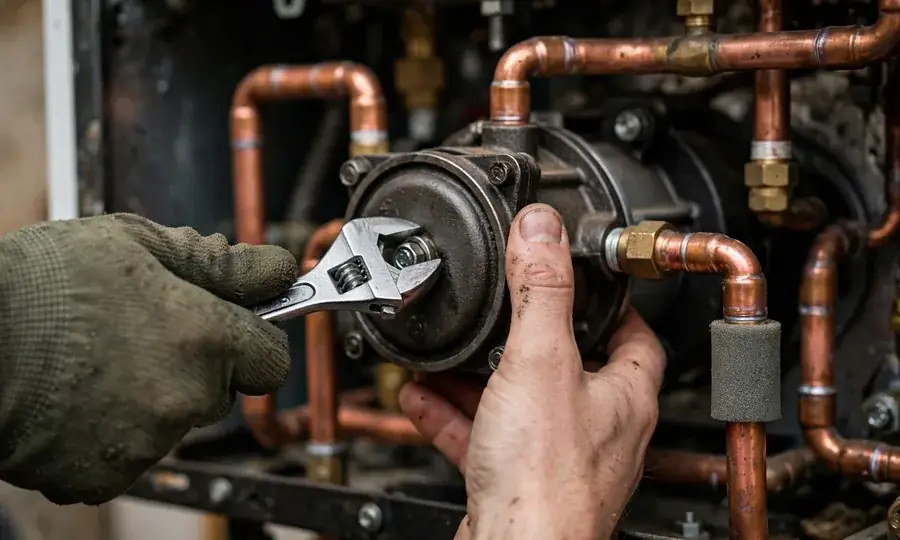
Close-up of technician hands replacing a circulator pump on a boiler

Seasonal timing in the Lebanon Valley

When to act, and when not to wait.

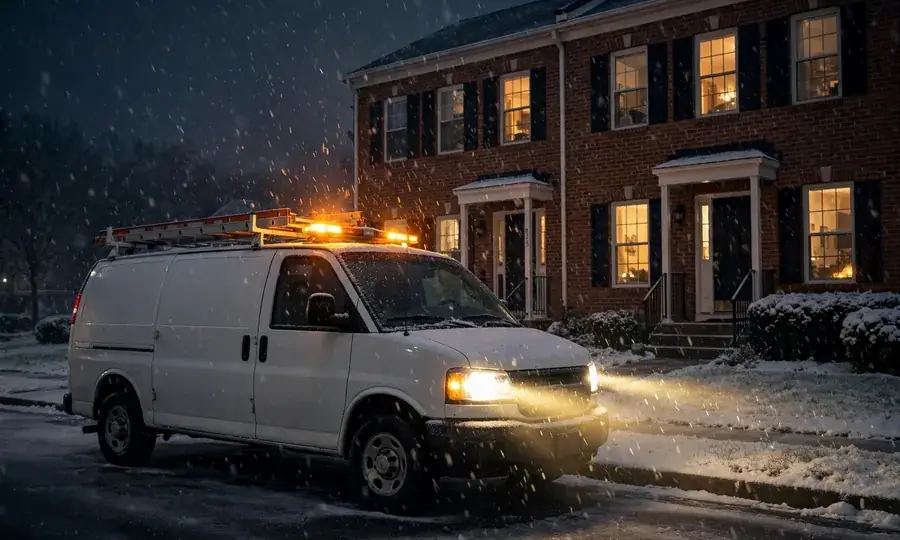
The smart money in Lebanon is fall service: September and October, before the first sustained cold. Burner techs are available, parts are on shelves, and a tune-up then prevents the January lockout that costs triple in urgency. The worst time to discover a dying boiler is the first teen-degree weekend — when everyone discovers it at once.

That said, some symptoms should never wait for a convenient season: soot, fuel smells, water under the unit, and repeated lockouts are now problems regardless of the calendar.

Boiler Repair in Lebanon, PA

How Lebanon boiler diagnosis works

Testing, not guessing — fuel-first triage.

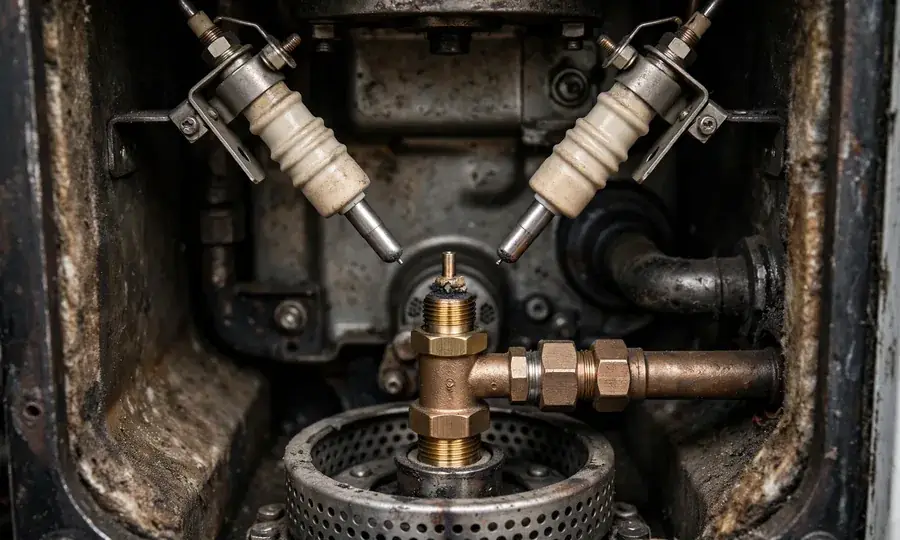
Lebanon's mixed fuel market makes the first question the most important: gas or oil? An oil burner that locks out gets burner questions (nozzle, electrodes, last service, tank level); a gas unit that fires then cuts out gets flame-sensing questions; a steam system with banging gets water-level questions. The symptom plus the fuel type usually identifies the subsystem before anyone travels.

On site, the technician tests within that subsystem and explains findings before any work is authorized. You hear the diagnosis, then you decide.

Boiler Repair in Lebanon, PA

Common Lebanon repair calls

What actually comes up.

  • Oil burner lockouts — Confirm service coverage and discuss the boiler fuel type before booking.
  • Gas ignition faults — flame sensors and igniters on the gas side
  • Pressure loss on sealed systems — expansion tanks and weeping joints
  • Cold rooms with a running boiler — zone valves, airlocks, seized pumps
  • Circulator failures — the pump dies, the boiler runs, nothing moves

Repair or replace?

The honest math.

The on-site diagnosis gives you both — what the repair costs and what the boiler's overall condition suggests — so the decision is informed, not pressured.

Fuel-first triage: the Lebanon rule

In a 45/27 market, gas-or-oil decides everything.

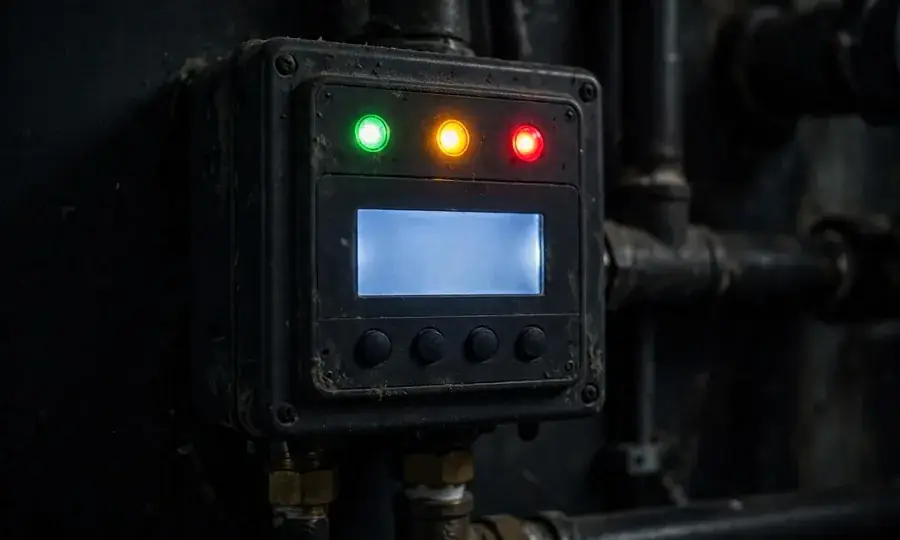
Lebanon is one of the few markets where the very first question — gas or oil? — genuinely splits every call down the middle. An oil burner that locks out gets burner questions: nozzle, electrodes, last service, tank level, filter history. A gas unit that fires then cuts out gets flame-sensing questions: igniter type, condensate behavior in cold snaps, error codes. A steam system with banging gets water-level and venting questions.

That split also shapes the visit: a tech rolling to a downtown Lebanon twin carries burner parts and ignition parts, because the fuel is not known until the door opens. Mentioning your fuel — and whether the street has gas mains — when you call means the right subsystem gets tested first, on site, instead of guessed at twice.

Boiler Repair in Lebanon, PA

What the on-site visit involves

Testing within the subsystem, explained before work starts.

The diagnosis starts where the triage left off. On oil: nozzle spray, electrode gap, cad-cell flame sighting, plus the filter and fuel line — and on older downtown units, the tank itself, since rust and sludge starve burners that are otherwise healthy. On gas: flame rectification signal, igniter condition, and condensate drain behavior. On sealed systems of either fuel: the expansion tank charge checked against the gauge reading, because a system sitting near zero with a feed valve that keeps topping it up has a leak or a waterlogged tank, not a burner problem.

You hear the findings before any work is authorized — what failed, what it costs to fix, and what the rest of the boiler's condition suggests. Informed, not pressured.

Boiler Repair in Lebanon, PA

Frequently Asked Questions

Straight answers before you call.

01

Can you get parts for older boilers in Lebanon?

For burners, controls, and common wear parts, usually yes — the aftermarket supports popular old boilers for decades, and Lebanon's large stock of aging oil units means techs here see the old makes regularly. Block sections and proprietary trim on obscure brands are what get difficult. Give us the make and model from the nameplate when you call and we will give you a straight answer.
02

My boiler is 25 years old but heats fine. Should I leave it alone?

If the block is sound and the burner is healthy, yes — 25 is middle-aged for a cast-iron boiler, not the end. What 25-year-old units need is honest assessment: check for section weeps, test combustion, and keep up annual service. “Heats fine” plus a sound block means maintenance, not replacement; “heats fine” with a weeping block means start planning.

03

Is fall really the best time for boiler service in Lebanon?

Yes — a fall tune-up catches the nozzle, filter, and ignition wear before the January cold snaps that expose every weakness, and scheduling is far easier than in midwinter. Lebanon's mixed-fuel market means techs are booked solid once no-heat calls start. September and October service is the cheapest insurance a boiler gets.

04

My boiler works but it is noisy. Can it wait until fall?

It depends on the noise: kettling or rumbling that is new and getting louder deserves a look now, since it can signal scale buildup or circulation problems that worsen. Steady operational sounds that have been there for years are usually just the system's personality. When in doubt, describe the noise on the call — triage can usually tell “schedule it” from “do not wait.”

05

The pressure gauge drops a little every month. How urgent is that?

Schedule it, but do not panic — a slow monthly drop on a sealed system usually means a weeping fitting or a tired expansion tank, and the system should hold 12 to 15 psi cold indefinitely. The mistake is topping it up for a year without finding the leak: fresh water brings fresh oxygen, which corrodes the system from the inside. Find the weep now and it stays a small repair.

06

Some rooms are cold even though the boiler runs. Where do I start?

Start at the radiators: bleed them for air, and check that thermostatic valves or zone valves for those rooms are actually opening. If the boiler fires and cycles normally, the fault is in distribution — air, valves, or a weak circulator — not the burner. Lebanon's downtown twins are prone to balance issues because heat travels a long way through old piping.

Boiler acting up in Lebanon?

Call (888) 766-1474 — describe the symptoms and check local repair options for your ZIP.

☎   Call (888) 766-1474