LEBANON EMERGENCY SERVICE

Emergency Boiler Repair in Lebanon, PA

No heat with Lebanon Valley temperatures dropping, water pouring from the boiler, or a unit that keeps locking out — call any time. The emergency telephone line is available 24/7 and true Explain urgent symptoms first.

✓ 24/7 emergency triage✓ Freeze-risk prioritized✓ 17042, 17046 coverage

General inquiries: 7 AM–7 PM · Emergency calls: 24/7 · (888) 766-1474

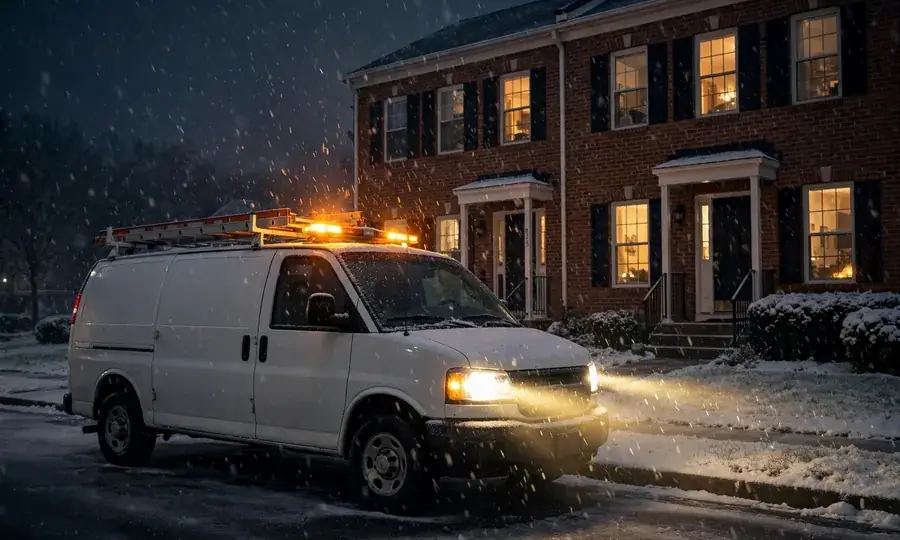
Heating service van with headlights in falling snow at night

What counts as an emergency in Lebanon

January nights in the teens. Use these lines.

  • No heat with freezing weather — drafty downtown Lebanon twins and older rowhouses lose heat fast; pipes can freeze and burst within hours
  • Oil run-out with no delivery scheduled — uniquely common here: will-call customers who misjudge a cold snap. A run-out is a delivery plus a bleed-and-reprime service call, and it cannot wait through a teen-degree night
  • Smell of gas — leave the building first, call your gas utility or 911 from outside, then us
  • Carbon monoxide alarm — get out, call 911, do not re-enter to check the boiler
  • Water pouring from boiler or pipework — close the feed valve if you safely can
  • Repeated lockouts you keep resetting — a safety is stopping the boiler for a reason; stop resetting it

While you wait

What helps in a Lebanon Valley winter.

Note the details before calling: fuel type (gas or oil — Lebanon has plenty of both), the error code or lockout pattern, whether heat, hot water, or both failed, and your tank gauge reading if you heat with oil. That set routes the triage instantly.

Protect the pipes: open cabinet doors under sinks on exterior walls and let taps drip slightly. Do not keep resetting a locked-out boiler or open the casing — and if you ran out of oil, do not keep trying the reset after delivery arrives; the line needs bleeding first.

Emergency Repair in Lebanon, PA

What the emergency triage asks

Have these answers ready.

The triage runs a fixed sequence: fuel type (gas or oil — Lebanon has plenty of both), what failed (heat, hot water, or both), error code if shown, how fast it is getting cold inside, and your ZIP. "Oil, no heat, lockout, house at 60 and falling, 17042" gets you correctly prioritized in under a minute.

No-heat triage checklist

Five minutes before you call.

  • Thermostat — calling for heat, set above room temp, batteries good
  • Breaker and emergency switch — boiler breaker on, the red emergency switch (often at the top of the basement stairs) on
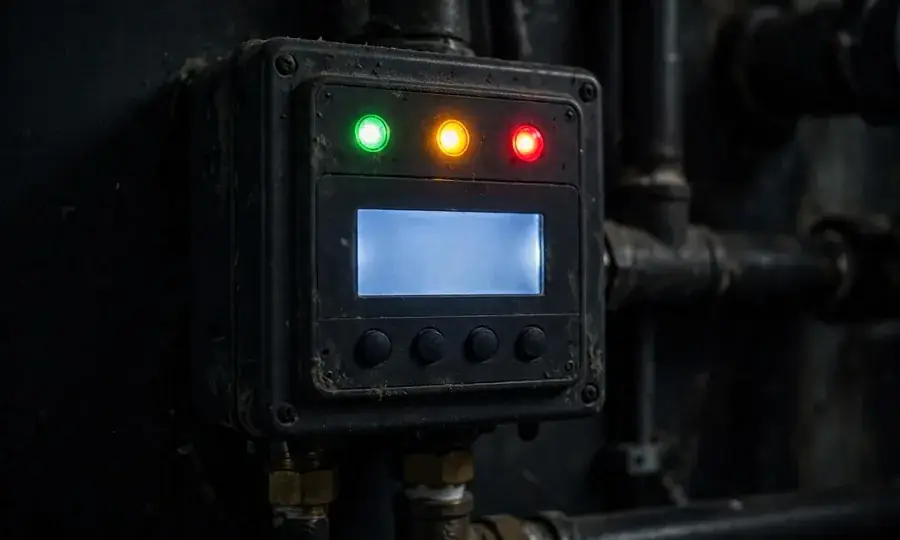
  • Pressure gauge — a cold sealed system should sit near 12–15 psi; near zero means water loss, which is a different emergency than a dead burner
  • Oil tank gauge — Confirm service coverage and discuss the boiler fuel type before booking.
  • Reset discipline — one press, then observe; repeated resets flood an oil chamber or mask a gas ignition fault
  • Smell check — fuel-oil smell: ventilate and call promptly; gas smell: leave and call your gas utility or 911 from outside

Fuel type varies by property. Check whether the boiler uses gas, oil, propane, or electricity before calling; the fuel source affects the appropriate diagnostic steps.

Frequently Asked Questions

Straight answers before you call.

01

How fast is emergency response in Lebanon?

True emergencies — no heat with temperatures near freezing, a gas leak cleared by the utility, active water damage — are triaged first, around the clock. Response depends on current demand and your location, so the call gives you a straight answer about timing rather than a promise. For non-emergencies you will hear honestly when a tech can get there.
02

Should I call you or my gas company for a gas smell?

The gas company, from outside the house — a suspected leak is the utility's emergency and the repair line cannot clear it. Once they have cleared the property, call the boiler line to inspect and restart the unit. Never reset or relight a boiler after a gas odor until the utility says it is safe.

03

I ran out of heating oil. Is that an emergency?

It becomes one when temperatures are near freezing — a dry tank means no heat, and restarting after a delivery needs the filter changed and the line bled, which is a service call. If it is mild and you can get a delivery quickly, it may be a scheduled visit instead. When you call, say it is a run-dry restart; triage knows exactly what that job needs.

04

Can I just get a callback in the morning instead of a night visit?

If the situation is safe — no gas smell, no active leak, temperatures above freezing, and you have a way to stay warm — a morning callback is often the sensible choice, and triage will say so honestly. What you should not do is sit on a gas odor, flooding, or falling indoor temperatures hoping morning fixes it. Describe the symptoms and let triage make the call.

05

What should I check before calling about no heat?

Thermostat set to heat and calling, the boiler's emergency switch on, breaker not tripped — and for your fuel: oil tank not empty, gas valve open. On cold nights, check whether a condensing unit's exterior drain might be frozen. If those do not restore heat, call (888) 766-1474 with your fuel type and symptoms ready; that is everything triage needs to start.

Boiler emergency in Lebanon?

Call (888) 766-1474 now — 24/7 emergency triage, freeze-risk calls prioritized.

☎   Call (888) 766-1474