

QUINCY INSTALLATION

Boiler Installation and Replacement in Quincy, MA

Replacing a boiler in Quincy? Coastal corrosion, outdoor tanks, and wind-driven venting all shape the right choice. Call to discuss your situation.

✓ Coastal-aware sizing✓ Tank decisions✓ Corrosion-resistant venting

General inquiries: 7 AM–7 PM · Emergency calls: 24/7 · (888) 766-1474

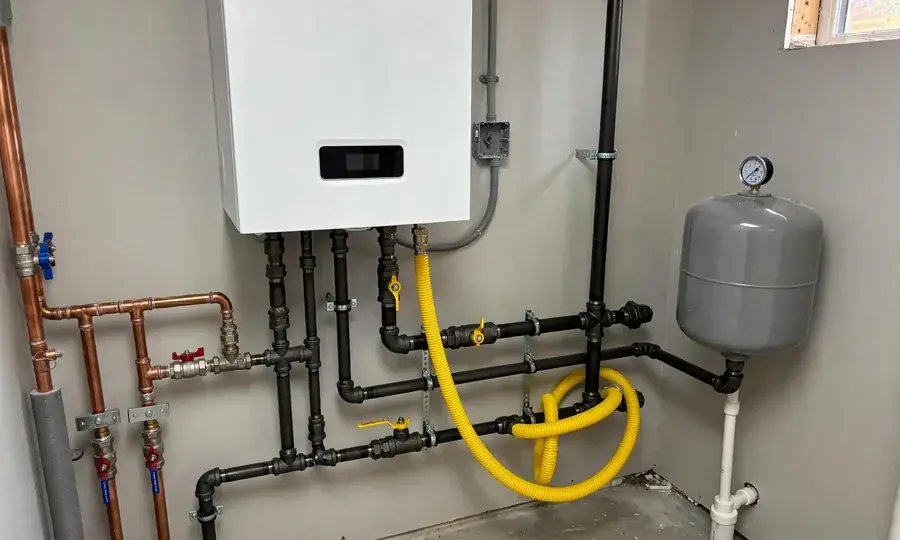
New boiler with black iron gas piping

Choosing your installer

What separates the good from the risky.

Good signs: heat-loss calculation offered unprompted, itemized written quote, permits handled, combustion readings promised at startup, references from similar jobs, clear day-by-day plan. Red flags: sizing by "rule of thumb" or the old nameplate, quote on a napkin, permits dismissed, pressure to sign today, full payment demanded upfront.

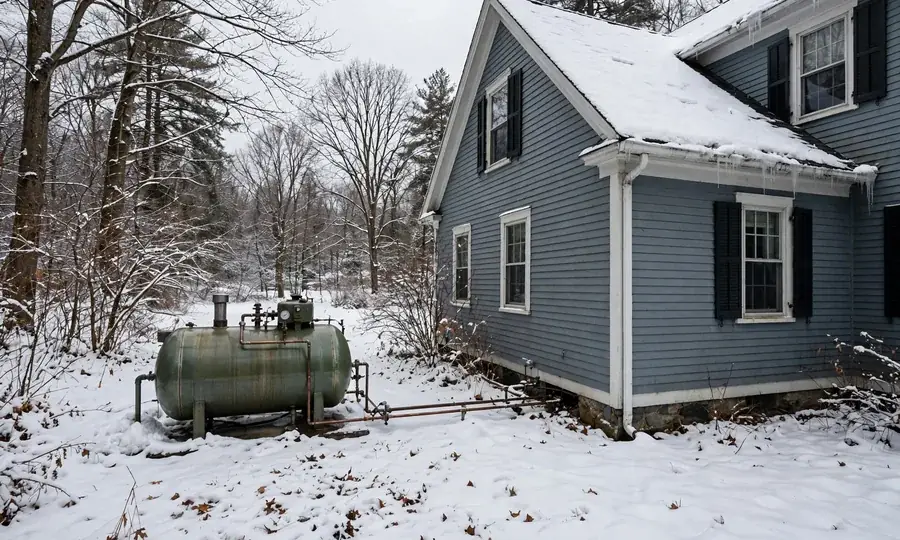
In Quincy specifically, ask about coastal venting experience and outdoor tank work — installers who have never winterized an outdoor tank will learn on your job.

Installation in Quincy, MA

Coastal factors in replacement

What Quincy changes.

Quincy replacements answer three coastal questions inland jobs skip: venting (wind-resistant terminations; corrosion-resistant materials near the water), tanks (keep the outdoor tank, move it indoors, or convert to gas?), and sizing (nor'easter wind raises real heat loss — the calculation should reflect exposure, not just square footage).

The tank question is often the biggest: a new oil boiler on a rusting outdoor tank inherits every tank problem. Price the tank with the boiler — together is cheaper than separately, and far cheaper than as an emergency.

Installation in Quincy, MA

Gas or oil in Quincy?

The fuel decision.

Price both : modern oil (no conversion cost, winter fuel management) vs. gas (service line, venting, chimney work). The right answer varies street by street.

Either way, demand: heat-loss sizing (with wind exposure factored), near-boiler repiping, outdoor reset controls, and startup tuning verified with instruments. See our national installation guide.

Installation in Quincy, MA

What to ask any installer

Five questions.

  • "How did you size it?" — heat-loss with wind exposure
  • "How is the venting protected from wind and salt?"
  • "What is the tank plan?" — keep, move indoors, or convert
  • "How is combustion verified at startup?"
  • "What is the day-by-day plan?"

Sizing for a coastal home

Not the nameplate.

Legacy Quincy boilers are almost always oversized — sized for drafty mid-century envelopes, not today's insulated, window-upgraded homes. Proper sizing means a room-by-room heat-loss calculation, and on the South Shore that calculation must reflect coastal exposure: nor'easter wind drives heat loss beyond what the thermometer suggests. An oversized boiler short-cycles, wastes fuel, and wears faster; an undersized one cannot hold January.

Ask the installer for the heat-loss numbers, not a rule of thumb and not the old nameplate. If zoning changed since the last boiler — new zones added, rooms repurposed — the math changes with it. The calculation is the difference between a boiler that fits the house and a boiler that fights it.

Installation in Quincy, MA

Fuel-conversion math on the South Shore

Oil to gas, where it pencils.

Where gas mains serve the block, Quincy homeowners face a real conversion question. The honest math compares staying on oil — aging tank replacement, annual burner service, delivery logistics — against converting: the new gas boiler, venting work, oil tank abandonment, and the gas line run. The deciding factors: the oil tank's age and remaining life, the chimney or venting condition, and the efficiency delta between the old oil unit and a modern gas boiler.

Where mains do not reach, modern oil equipment with a new tank is the honest answer — no conversion to chase. Either way, the coastal questions apply: wind-resistant vent terminations and corrosion-resistant materials near the water. Get the comparison in writing, itemized, with the heat-loss calculation behind the sizing — and no pressure to sign on the spot.

Installation in Quincy, MA

Frequently Asked Questions

Straight answers before you call.

01

My Quincy boiler is 30 years old and the repair bills keep coming. When is enough?

When breakdowns arrive every winter on a 30-year-old unit, replacement usually wins — each failure risks a no-heat stretch in a nor'easter, and a right-sized new boiler burns noticeably less fuel. The honest test is the pattern: one isolated fault means repair; failures across the system mean replace. Bring the last two winters' history to the call.

02

What size boiler does my coastal Quincy home actually need?

Whatever a heat-loss calculation says — and in Quincy that calculation must reflect ocean wind exposure, not just square footage, because coastal homes lose more heat than the thermometer suggests. Most older boilers here are oversized. Any replacement quote that skips the heat-loss math is a quote to decline.

03

Should I switch my Quincy oil system to gas when I replace the boiler?

It depends on your street — gas mains serve the dense core like Quincy Center, Wollaston, and North Quincy, but not every block, and outdoor-tank homes near the water have their own conversion math. Then comes the chimney, the piping, and the abandoned tank. The gas-or-oil decision is made once and lived with for decades.

04

Will a new boiler work with my old radiators in my Wollaston colonial?

Almost always yes — radiators outlast several boilers, and new units are routinely piped to existing radiator systems. The efficiency gains live in the near-boiler piping and the controls. Tell the tech how many floors and radiators the system feeds so the sizing reflects the real load.

05

How disruptive is a boiler replacement in my occupied Quincy two-family?

Less than most owners fear — the old unit comes out and the new one goes in over a compact window, with heat typically restored the same stretch, and the radiators usually stay. The planning (sizing, venting, fuel decision) takes longer than the wrench work. Ask about the schedule on the call so tenants get a straight answer.

Planning a replacement in Quincy?

Call (888) 766-1474 — start with a coastal-aware assessment.

☎   Call (888) 766-1474