
Evaluate the existing heating system
Discuss system type, heat emitters, domestic hot-water needs, and why the old boiler is being replaced.
A boiler replacement should start with a review of your heating needs—not just the size of the existing unit. Ask about system compatibility, equipment selection, installation scope, and what may affect the total project cost.
General inquiries: 7 AM–7 PM · Emergency calls: 24/7. Service availability must be confirmed.
General inquiries: 7 AM–7 PM · Emergency calls: 24/7. Service availability must be confirmed.
Enter your ZIP code or city, or call to ask about available service options.
Search results do not guarantee coverage or an appointment.
Recognize these situations and discuss the right next step before scheduling work.
A professional assessment should match the equipment, symptom history, and manufacturer guidance. Do not open combustion chambers, bypass safety devices, or work on pressurized equipment yourself.
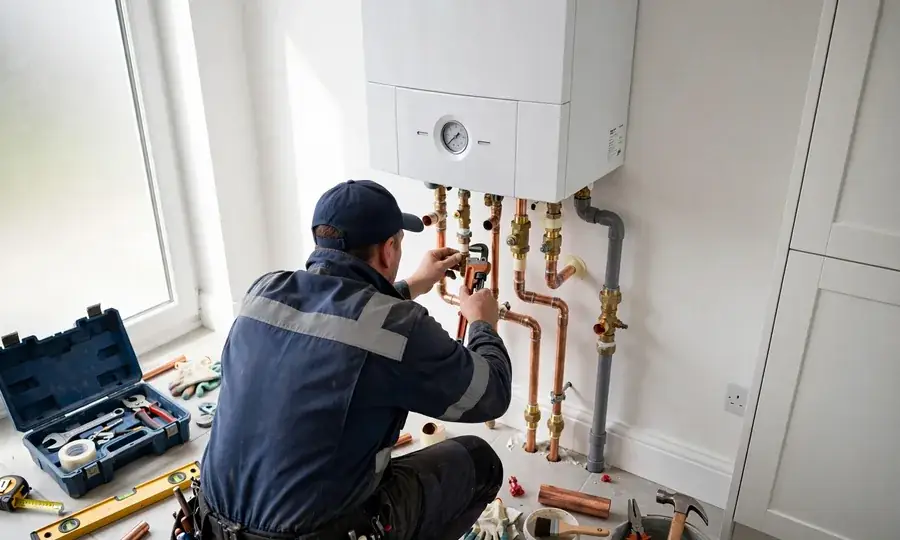
The scope depends on the boiler, its condition, and what the assessment reveals.
Discuss system type, heat emitters, domestic hot-water needs, and why the old boiler is being replaced.
A qualified installer should evaluate the building heat load, venting, fuel supply, piping, controls, condensate handling where applicable, and code requirements.
Compare equipment scope, removal of the old boiler, permits where required, estimated timing, warranty terms, and what the quote excludes.
Do not open a boiler cabinet, alter gas fittings, bypass safety controls, or work on pressurized components without appropriate qualifications.
Start with a phone call to describe the equipment and confirm the next steps.
Call (888) 766-1474 and explain the type of service you need.
Share the fuel type, model if known, and the symptoms or project goals.
Provide your ZIP code to ask whether service options are available.
Ask about assessment fees, scheduling, and any estimate before authorizing work.
Technical benchmark: ENERGY STAR-certified residential gas boilers have AFUE ratings of at least 90%; certified residential oil boilers have ratings of at least 87%. These are product certification thresholds—not estimates of local fuel use, repair demand, or a guarantee of savings. Source: ENERGY STAR boiler criteria.
Most bad boiler replacements fail at the first step: the size.
A boiler should match the building's heat loss — calculated from insulation, windows, air leakage, and climate — not the size of the old boiler and not a rule of thumb per square foot. Oversized boilers short-cycle: they blast, satisfy the thermostat, shut off, and repeat, which wastes fuel, wears parts, and heats unevenly. Many older boilers are 2–3× oversized for the buildings they serve.
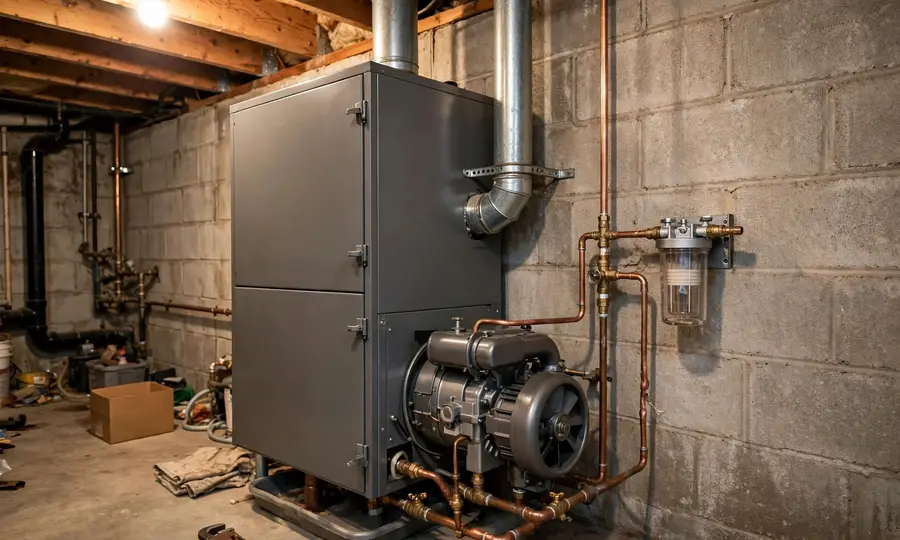
After size: fuel (what is available and economical at your address), venting (condensing units need plastic flue routes and a condensate drain; atmospheric units need a chimney in serviceable condition), and the existing distribution — steam stays steam, and high-temperature radiators pair poorly with condensing boilers that want low return temperatures to condense.
A replacement is a small construction project, not an appliance swap.
Answers to practical questions before you arrange service.
Consider its condition, age, repair history, replacement-part availability, energy performance, and the cost of the proposed repair. An on-site assessment can help compare options.
Sizing should be based on a suitable building heat-loss calculation and connected system requirements, not merely the rating on the old boiler.
Converting a steam system is a substantial project that may require changes to piping, emitters, and controls. Ask for a system-specific feasibility assessment.
Possibly. Compatibility depends on heating-water temperatures, capacity, piping, controls, and whether the system is steam or hot water.
Timing depends on access, scope, equipment availability, permitting, and whether venting or piping needs modifications. Confirm the schedule with the installer.
Equipment capacity and type, labor, removal, venting, fuel connections, piping, electrical work, permits, and upgrades affect the final price. Request an itemized proposal.
Requirements vary by jurisdiction and project. Ask who is responsible for permits, inspections, and code compliance before work begins.
You can call about an urgent situation, but equipment availability, qualified installers, scheduling, and actual local service must all be confirmed.
A straightforward like-for-like swap is typically one to two days. Fuel conversions, relocations, chimney work, or repiping the near-boiler loop extend it. The assessment visit beforehand is what keeps the job on schedule — surprises live in the venting and the existing piping.
It depends on gas availability at your street, the price spread in your area, and the state of your oil tank and chimney. The fuel saving is real where gas is cheap, but conversion adds gas-line, venting, and sometimes chimney-liner work. Get the full installed cost of both options before deciding on fuel savings alone.
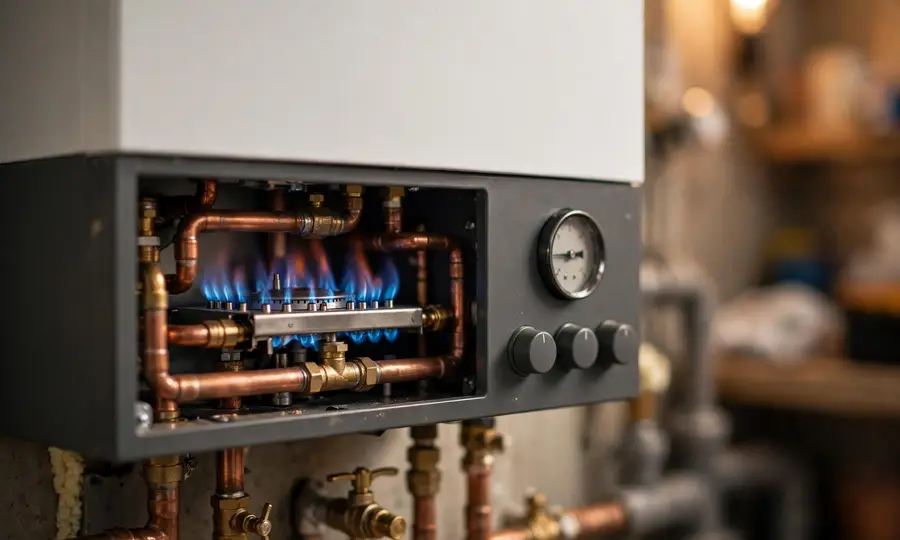
Ignition, combustion, and gas-fired heating problems.
Explore service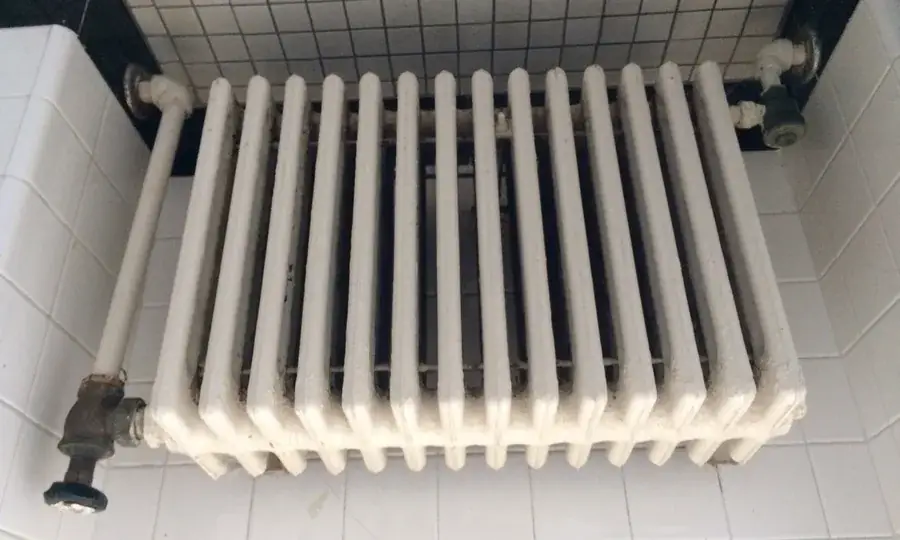
Steam radiator, water-level, and pressure concerns.
Explore serviceOil burner lockouts and fuel-delivery problems.
Explore service
Routine inspections and preventive heating care.
Explore serviceCall with your ZIP code, existing boiler type, and replacement goals. Ask about local availability, evaluation steps, and what a written installation estimate should cover.
Call (888) 766-1474Tell us what's happening with your heating system and where service is needed.