QUINCY GAS SERVICE

Gas Boiler Repair in Quincy, MA

Gas boiler will not fire or keeps locking out in Quincy? Describe the fault code for fast triage.

✓ Ignition and flame faults✓ Ask about fuel-specific repairs✓ 24/7 emergency telephone line

General inquiries: 7 AM–7 PM · Emergency calls: 24/7 · (888) 766-1474

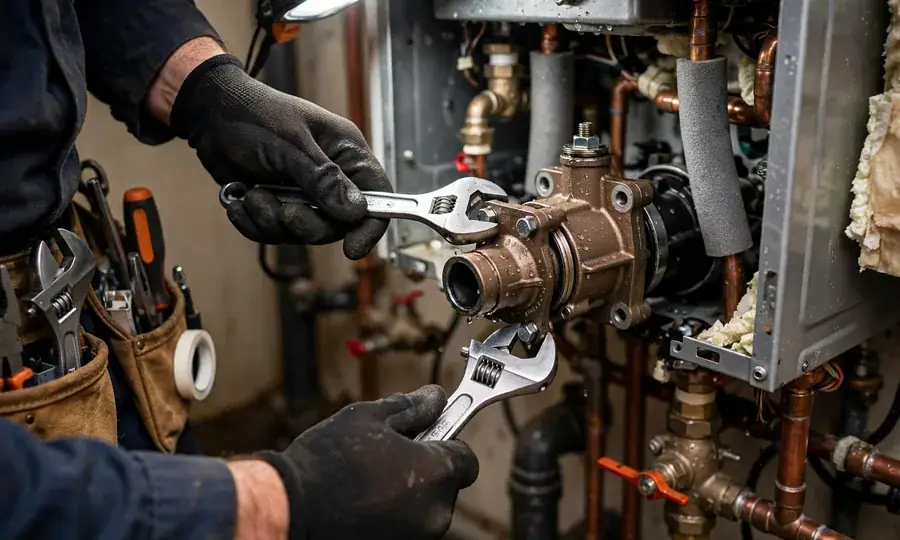
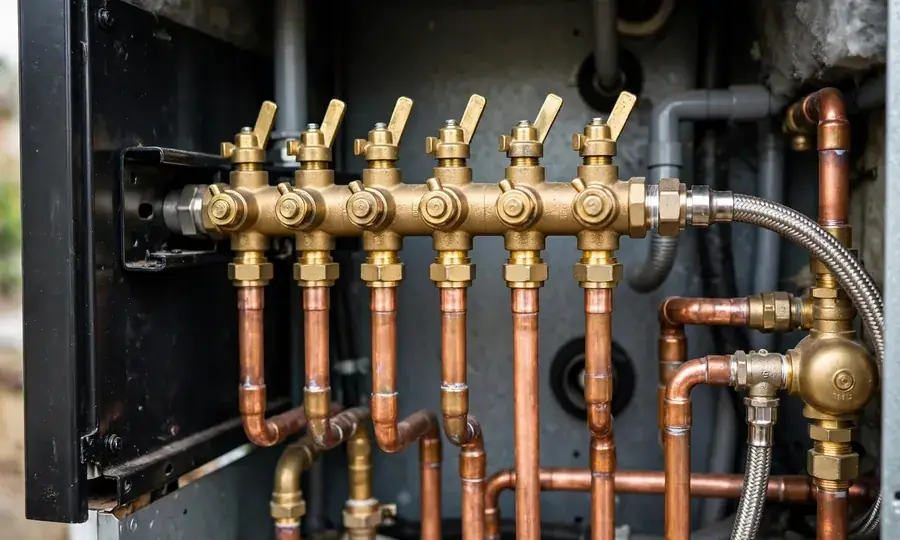
Gas manifold with brass valves on a boiler

Gas leaks: the full drill

Know it cold.

Smell gas (rotten-egg odor)? 1) Do not touch electrical switches, do not light anything. 2) Leave the building immediately — alert others as you go. 3) Call the gas utility or 911 from outside, at a safe distance. 4) Do not re-enter until cleared by professionals.

Hissing near the boiler with no odor? Still leave and call — odorant can fade. After any gas work, the tech should leak-test every joint disturbed. Ask for it; it is standard practice, not paranoia.

Gas Boiler Repair in Quincy, MA

Gas in Quincy context

The majority, with sea air.

The installed base mixes older atmospheric units with condensing replacements. The coastal twist: salt air corrodes flue terminals and burner components faster here, and nor'easter winds cause pressure-switch trips you will not see inland.

Safety first: smell gas, leave the building, call the utility or 911 from outside.

Gas Boiler Repair in Quincy, MA

Read your symptoms

The fingerprints.

  • Fires for seconds, then cuts out — flame sensor cannot prove flame
  • Fan runs, no ignition, lockout — igniter, gas valve, or pressure switch
  • Lockouts only in windstorms — pressure switch vs. coastal gusts
  • Dead on a freezing morning — frozen condensate drain on condensing units
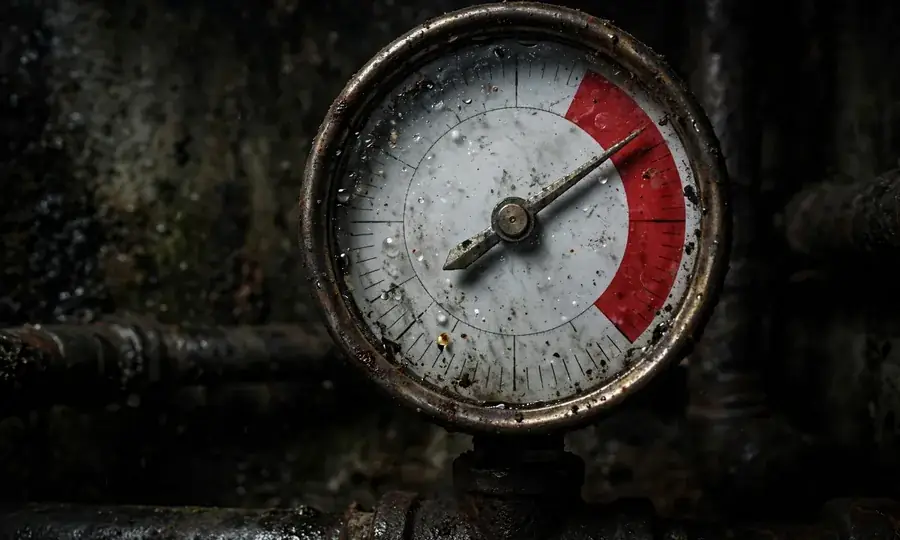
  • Pressure falling to zero — leak or failed expansion tank

For the full technical breakdown, see our national gas boiler repair guide. (On oil — the Quincy minority — see oil boiler repair in Quincy.)

Ignition faults, step by step

What the tech tests, in order.

Most Quincy gas calls are ignition faults, and they follow a diagnostic order. First, the fault code and lockout history — codes map to specific faults, so note the exact one. Second, the igniter: hot-surface igniters crack, spark electrodes drift out of gap. Third, the flame sensor or flame rod — carbon fouling stops it proving flame, and the boiler cuts out seconds after firing. Fourth, gas valve operation and inlet pressure. Fifth, the pressure switch and venting — the coastal question, since salt air corrodes flue terminals and nor'easter wind stresses venting joints. Sixth, on condensing units, the condensate drain: frozen solid is the classic coldest-morning death.

Do not keep resetting a locked-out boiler — three lockouts and you call, because repeated resets mask the fault and, on a combustion problem, are unsafe. A lockout that will not reset after one careful attempt is a no-heat emergency: the Quincy emergency page lays out the call-now line.

Gas Boiler Repair in Quincy, MA

Flame quality and CO in a coastal city

Blue, steady, and quiet.

A healthy gas flame is blue and steady. Yellow, lazy flames, soot around the boiler, or a pilot that keeps dropping out all signal combustion problems — and faulty combustion produces carbon monoxide: colorless, odorless, deadly. CO detectors belong on each bedroom floor and near (not in) the boiler room, tested monthly and replaced per schedule. If one alarms, get everyone out, call 911 from outside, and do not re-enter until cleared.

The coastal wrinkle: salt air corrodes flue terminals and venting joints faster than inland, and nor'easter winds test every termination. Fold a vent termination check into every fall service — wind-resistant, corrosion-free, properly sealed. A corroded terminal is not cosmetic; it is a draft and spillage problem waiting for January.

Gas Boiler Repair in Quincy, MA

Frequently Asked Questions

Straight answers before you call.

01

My gas boiler in Quincy Center locks out every few days in winter. Why the pattern?

Intermittent winter lockouts on gas usually trace to flame sensing or venting that only fails under load — a dirty flame sensor, a draft that shifts in nor'easter winds, or condensate freezing on a condensing unit. The pattern matters: note when it locks out and what the display shows. Stop resetting after the second lockout and call.

02

The flame on my Wollaston gas boiler looks yellow instead of blue. Problem?

Yes — a yellow, lazy flame means incomplete combustion, which wastes fuel and can produce carbon monoxide. Do not adjust the burner yourself. Describe the flame on the call; a combustion check will find whether it is an air, gas pressure, or burner issue.

03

My condensing boiler's drain pipe froze during the last cold snap in North Quincy. What do I do?

The boiler shut itself down to protect itself, which is correct behavior — do not pour boiling water on the line blindly. Describe the fault code on the call and triage will walk through what is safe to check. Frozen condensate is one of the most common winter calls on newer gas units near the coast.

04

There is a faint gas smell only when my Quincy boiler first fires. Normal?

No — any gas odor around a boiler deserves a prompt professional check, even if it fades. It can mean a delayed ignition or a small leak at a fitting that only shows under startup conditions. Do not keep running it to see if it gets worse; call and describe exactly when the smell appears.

05

Should my older Quincy gas boiler be replaced with a condensing unit?

Often yes, if the house is on gas and the distribution runs low return-water temperatures — but coastal freeze risk means the condensate drain needs proper routing, and older high-temperature radiator systems may suit a conventional boiler better. The answer comes from your piping and venting, not the brochure. Bring the system's age and type to the replacement conversation.

Gas boiler trouble in Quincy?

Call (888) 766-1474 — describe the fault code for fast triage.

☎   Call (888) 766-1474