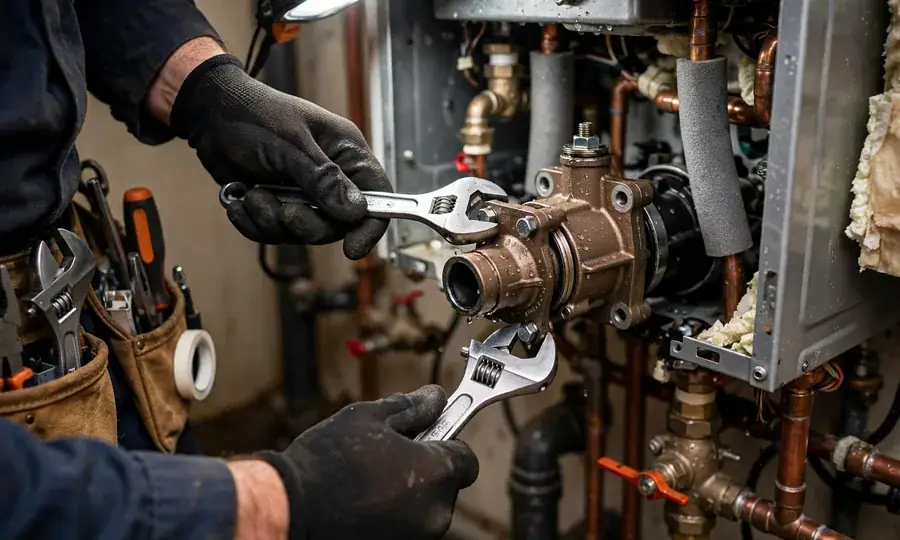
The oil burner is a precision instrument, and each part has a signature failure. The nozzle meters fuel — a worn nozzle sprays poorly, sooting the chamber and causing lockouts; annual replacement is standard practice. The electrodes spark ignition — gap and carbon buildup decide whether the burner lights cleanly or puffs soot on startup. The cad cell proves flame to the control; the fuel filter catches tank debris before it reaches the nozzle.
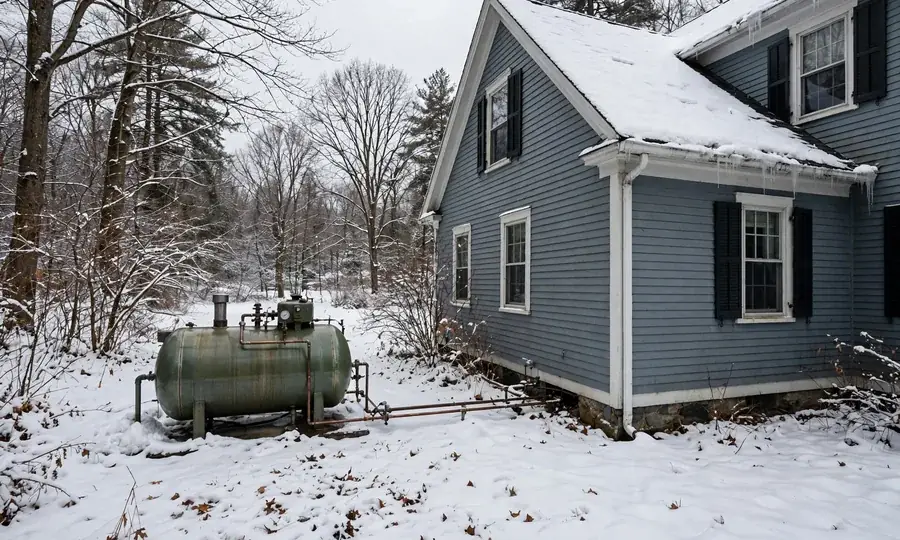
Annual burner service means all of it: nozzle, filter, electrodes, chamber brushing, pump pressure check, and combustion analysis with readings shown to you. Symptom mapping: brief run then lockout points to nozzle, electrodes, or fuel starvation; a soot puff on startup means delayed ignition on a worn burner; filters clogging every few weeks means the tank — rust and sludge — is the real problem, and the filter is just the messenger.