My building has no heat and my landlord is not responding. What do I do?
Document in writing, then call Boston ISD (Inspectional Services) — they enforce the heat code. You can also call for triage advice on the heating side.
No heat in a Boston winter — in a multi-unit building, that is many households going cold at once. Call any time. The emergency telephone line is available 24/7 and multi-unit outages go first.
General inquiries: 7 AM–7 PM · Emergency calls: 24/7 · (888) 766-1474
Different buildings, different playbooks.
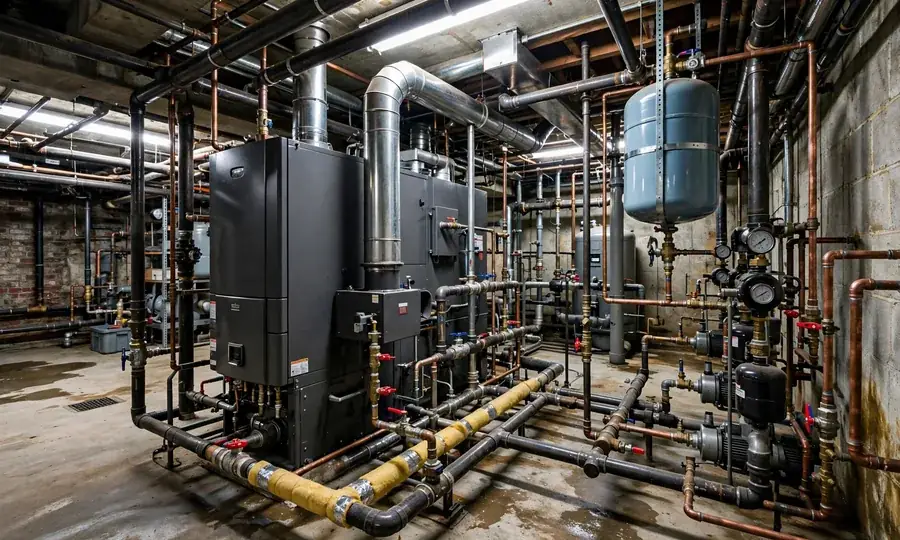
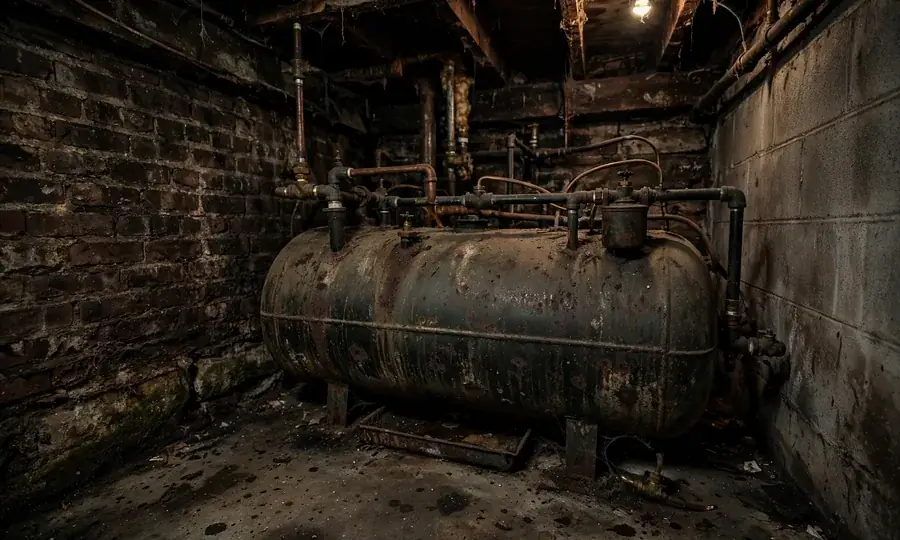
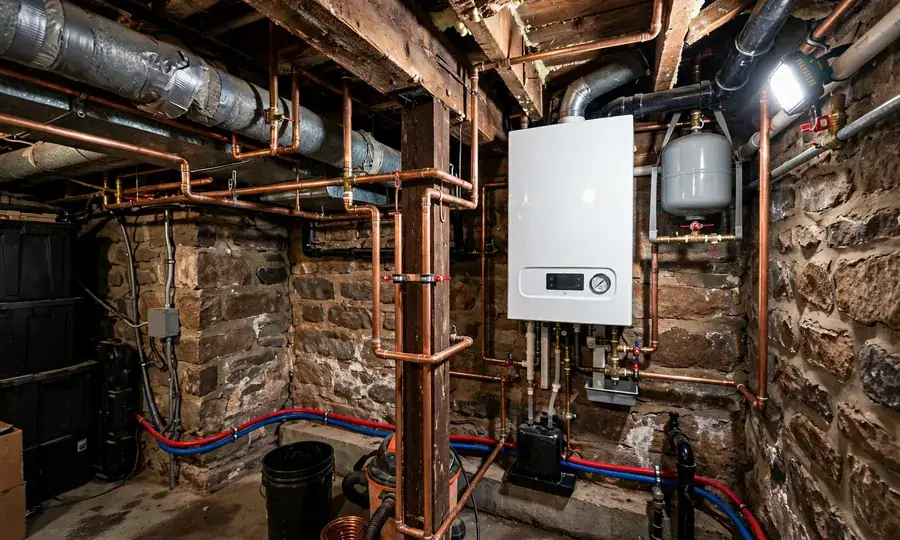
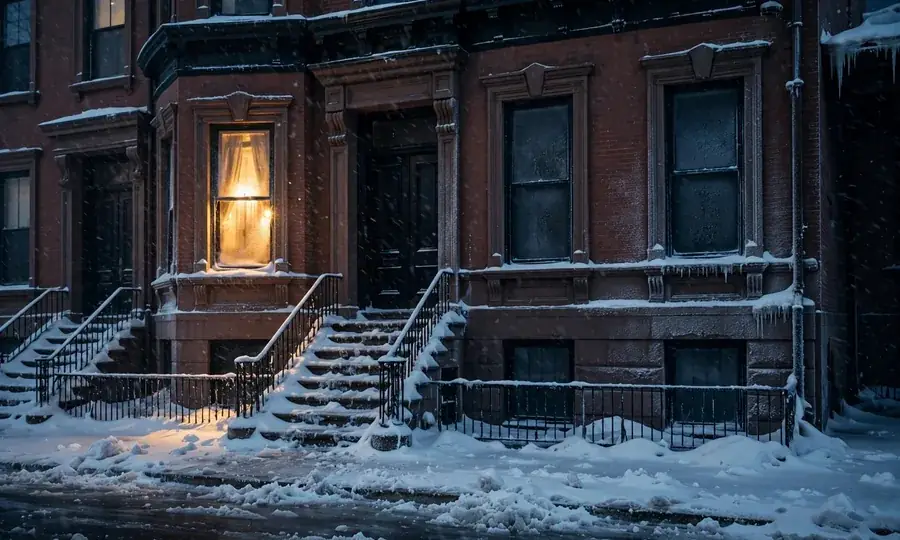
Brownstones and multis (3–12 units): one boiler, many households — the classic emergency. Triage prioritizes by unit count. Larger apartment buildings: often have building staff or management companies — the emergency call should come with the super's knowledge (boiler location, shutoffs, history). Condos: know whether the boiler is unit-owned or association-owned before calling — it determines who authorizes work.
The common thread: know your building's heating arrangement before the emergency. The worst time to learn who owns the boiler is at 2 AM.
Scale matters.
What helps.
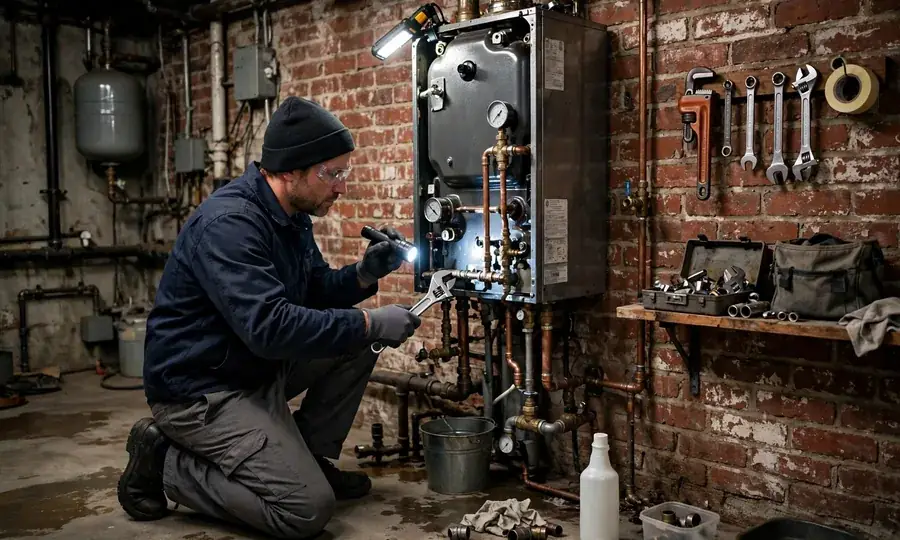
Count the affected units — the number drives triage priority. Note the error code and boiler size/type if you know it. Notify tenants to protect pipes (drip taps, open cabinets) and report which units are cold. Ensure basement access is clear and someone authorized is reachable. Do not keep resetting a locked-out boiler.
Boston enforces it.
Massachusetts requires landlords to maintain 68°F daytime / 64°F overnight from September 15 to June 15 — and Boston's inspectional services (ISD) enforces it aggressively. A dead boiler in a Boston rental is a code violation with a clock: tenants can call ISD, and the city will order the heat restored. Landlords: the emergency call is cheaper than the enforcement action. Tenants: document everything in writing.
Two minutes before you call.
1) Scope — how many units are cold: the whole building, or some units. 2) Thermostat — calling for heat in the affected units. 3) Breaker — boiler circuit on. 4) Pressure gauge — 12–15 psi cold is normal for a two-story home, higher on tall buildings; near zero means a leak or failed expansion tank. 5) Error code — the exact display, photographed if possible. Notify tenants to protect pipes (drip taps, open cabinets) and confirm basement access is clear with someone authorized reachable. Do not keep resetting a locked-out boiler. The unit count drives triage priority — lead with it.
Stabilized is not finished.
The emergency visit stabilizes; the next 48 hours decide whether it recurs. 1) Ask the tech what caused it and what prevents recurrence — write it down, not “I’ll remember.” 2) If it was maintenance debt, book the annual service now for next fall. 3) Landlords: document the timeline in writing — ISD, insurers, and tenants all prefer paper to memory. 4) If the block weeps or the unit is 30-plus with mounting repairs, start the replacement conversation on your timeline. Emergencies are expensive teachers; the tuition is only worth it if you do the homework.
Straight answers before you call.
Document in writing, then call Boston ISD (Inspectional Services) — they enforce the heat code. You can also call for triage advice on the heating side.
Any multi-unit outage outranks single-family in triage. The more units, the higher the priority — say the number when you call.
Nothing. you can call to describe the problem; on-site work is quoted after diagnosis.
Depends on your condo docs — central plant is usually association-owned; unit-level systems are owner-owned. Check before the emergency, not during.
Coordinate — the super knows the boiler room, shutoffs, and history. But any resident can start the triage; just have the super's contact ready.
Related services in the Boston area.