
ATTLEBORO INSTALLATION

Boiler Installation and Replacement in Attleboro, MA

Replacing a boiler in Attleboro? In burner country, the oil replacement is the craft — proper sizing, tank decisions, honest block assessment. Call to discuss your situation.

✓ Oil-replacement craft✓ Tank-pair decisions✓ Block assessment first

General inquiries: 7 AM–7 PM · Emergency calls: 24/7 · (888) 766-1474

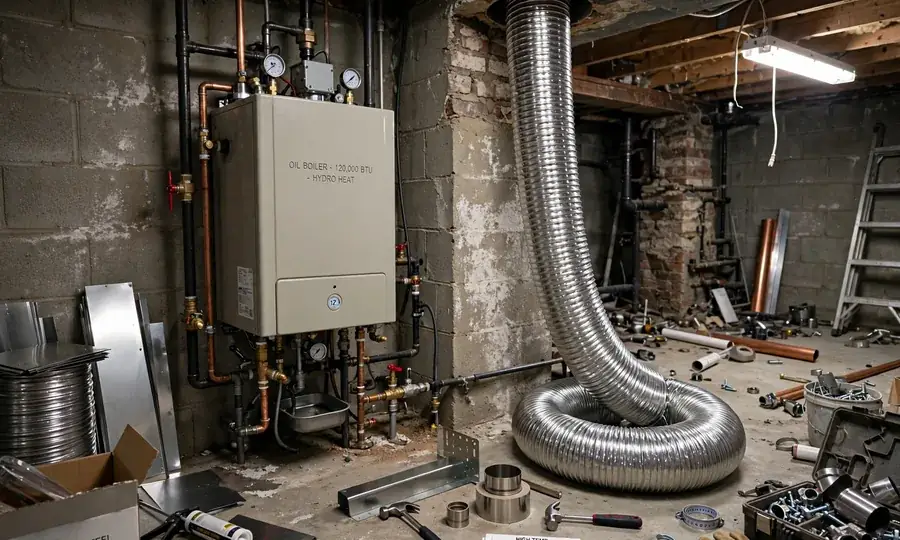
Oil boiler installation with new chimney liner

The chimney question for oil

Do not skip it.

Oil boiler replacements live or die by the chimney: old masonry flues sized for ancient boilers cause condensation and draft problems with modern units. Every oil replacement quote should include a chimney inspection and, usually, a properly sized liner.

The liner is not an upsell — it is the difference between a boiler that drafts correctly for 25 years and one that soots, condenses, and dies young. A quote without a chimney line item is incomplete.

Installation in Attleboro, MA

The oil replacement, done right

Attleboro's craft.

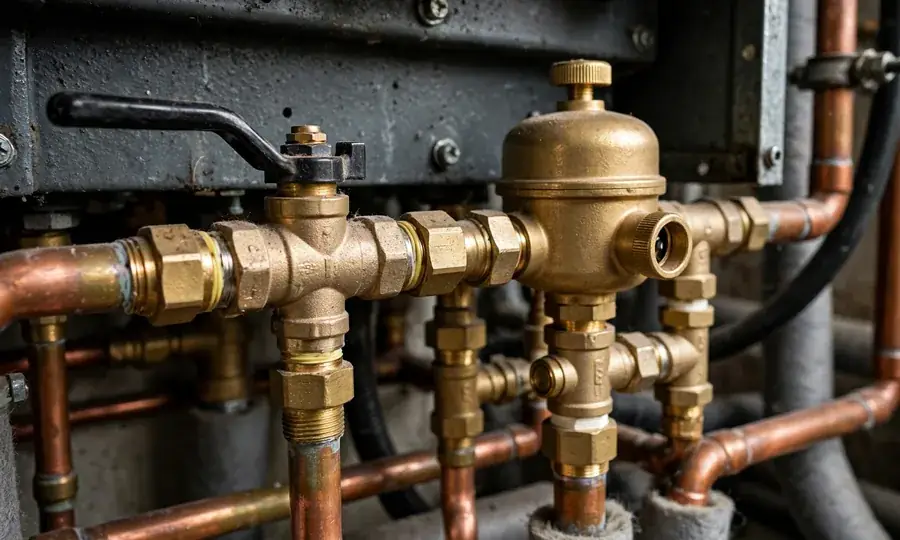
Most Attleboro replacements are oil-to-oil — and the craft is in the details: proper heat-loss sizing (old units routinely 2–3× oversized), burner setup with combustion instruments (not by eye), near-boiler repiping, and the tank decision (keep, replace one, replace the pair).

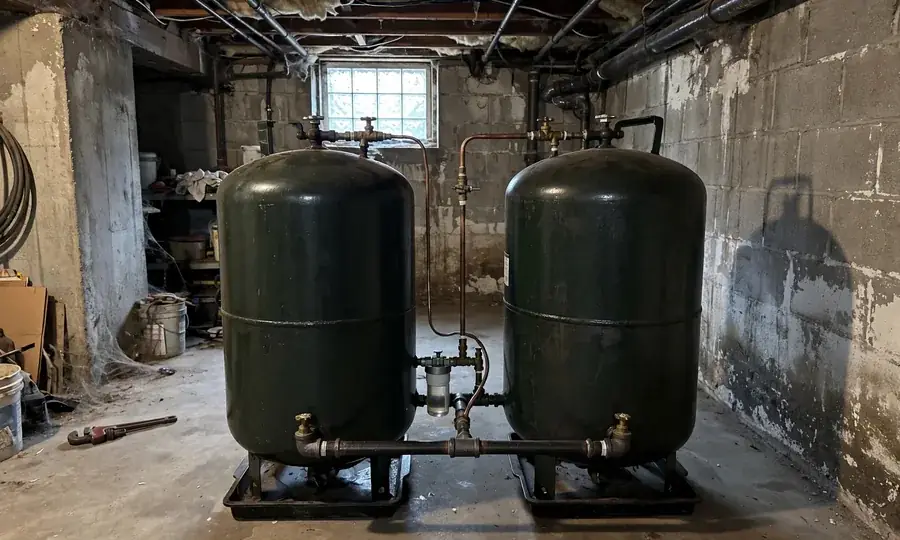
A new oil boiler on a dying tank is the classic Attleboro mistake. Price the tank with the boiler — together is cheaper, and the system starts clean.

Installation in Attleboro, MA

Stay oil or convert?

The Attleboro math.

Staying oil : no conversion cost, modern units efficient with annual service. Converting to gas : requires a main at the street plus service line, venting, and chimney work. Get full installed pricing on both before deciding — not fuel-price folklore.

Either way: heat-loss sizing, near-boiler repiping, outdoor reset, startup tuning verified with instruments. See our national installation guide.

Installation in Attleboro, MA

What to ask any installer

Five questions.

  • "Is the block sound, or is this a replacement?"
  • "How did you size it?" — heat-loss calculation
  • "What is the tank plan?" — keep, replace, or pair
  • "How is combustion verified at startup?" — instruments, not eyes
  • "What is the day-by-day plan?"

Efficiency: what the numbers promise

Lab numbers vs. realized savings.

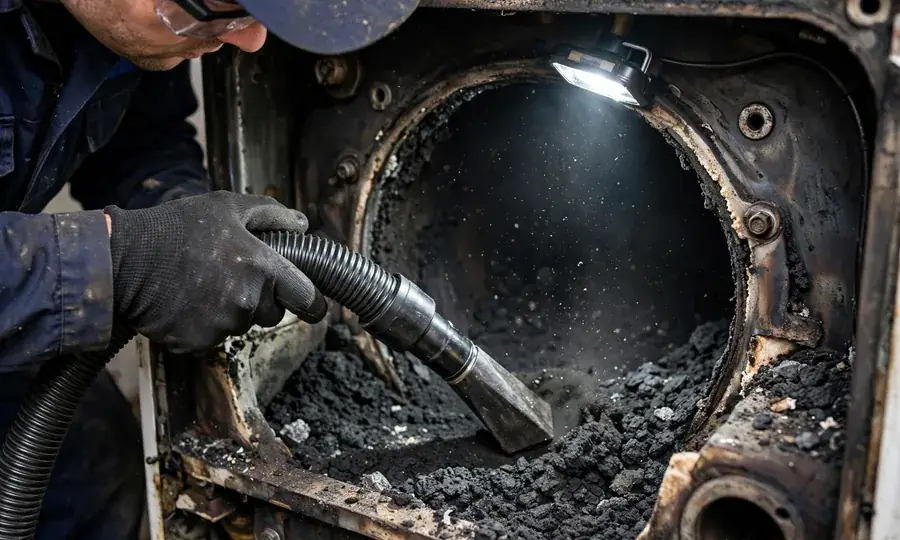
Modern oil and gas units publish AFUE in the mid-80s to low-90s against 60s–70s for a 35-year-old burner-country workhorse — but AFUE is measured in a lab. Realized efficiency comes from heat-loss sizing (not the old nameplate), near-boiler repiping, outdoor reset, and annual service keeping combustion tuned with instruments. For oil homes, the annual service is not optional maintenance — it is what keeps the efficiency number true year after year. Get full installed pricing on oil-to-oil and oil-to-gas before deciding; fuel-price folklore is not a quote. Either way, demand the startup combustion readings in writing.

Sizing down: why new boilers are smaller

The old ones were oversized.

Attleboro’s legacy oil boilers were routinely installed at two to three times the house’s actual heat loss — bigger felt safer. An oversized boiler short-cycles: hard fires, quick satisfies, endless cycling that wastes fuel and wears parts. The replacement gets a room-by-room heat-loss calculation, and the new unit is almost always smaller on paper and steadier in practice. “Same size as the old one” is the answer that perpetuates the problem. Ask “how did you size it” and expect the calculation, not the nameplate.

Frequently Asked Questions

Straight answers before you call.

01

What is the chimney question for an oil replacement?

Whether the existing flue suits the new unit: oil exhaust is hot and dirty, and decades of it shape the chimney's condition — sometimes damaged, sometimes just oversized for a modern efficient unit. A new oil boiler usually wants a liner sized to it; a conversion to gas definitely does. The chimney is part of the replacement quote, not an afterthought.

02

What does an oil replacement done right look like?

A heat-loss-sized boiler, not a nameplate match; a lined chimney; fresh controls; and the tank question answered — keep, replace, or remove — in the same project. The distribution gets evaluated too: 30-to-40-year-old piping has opinions. Done right means the whole system, not a box swap.

03

Stay on oil or convert to gas?

Attleboro's 41/37 split means neither choice is eccentric: stay oil if the tank is sound and the burner trade you trust is local — which it is — or convert if gas is at the curb and the replacement moment has arrived anyway. The deciding factors are infrastructure and timing, not loyalty. Run the whole-system comparison, chimney included.

04

What should an oil-country installer be able to answer?

How the size was calculated, what happens to the chimney, whether the tank stays or goes, what distribution work is included, and who handles permits and inspections. In burner country, the specifics matter: which burner and controls are specified, and what the combustion numbers should read after startup. Specific answers earn the job.

05

Why are new boilers smaller than my old one?

Because the old one was sized for a leakier house and a rougher era — and often oversized even then. Modern heat-loss math sizes to your actual house, and smaller units run longer, steadier cycles instead of short-cycling. It feels wrong and it is right: the right size is almost always smaller than the cast-iron giant it replaces.

Planning a replacement in Attleboro?

Call (888) 766-1474 — start with an honest block assessment.

☎   Call (888) 766-1474