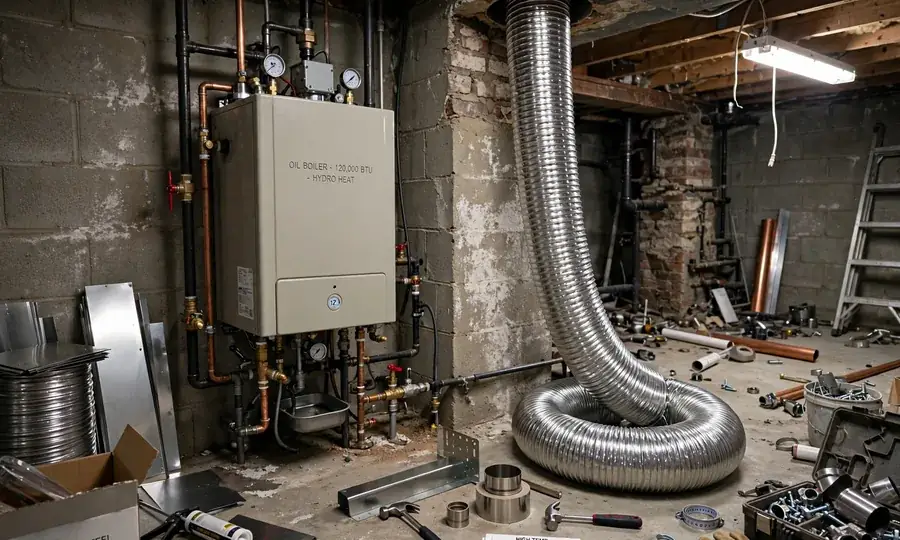
Gas versus oil in Attleboro — how do I know which world I am in?
The maintenance worlds barely overlap: burner tunes versus ignition and pressure. Name your fuel in the first sentence of the call and everything after gets easier.
Gas boiler will not fire in Attleboro? Describe the fault code for fast triage.
General inquiries: 7 AM–7 PM · Emergency calls: 24/7 · (888) 766-1474
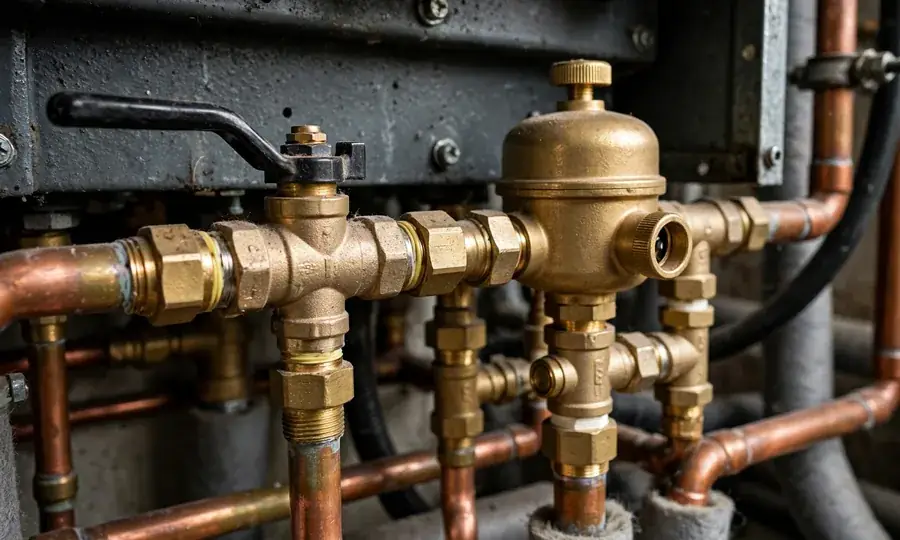
The 41/37 split.
Attleboro's near-even split makes it the rare town where the fuel question is genuinely open. Neither fuel dominates; the right choice is house-specific: gas where mains reach (and the numbers work), oil where they do not (or where conversion costs dwarf the benefit).
The unhelpful debate is fuel tribalism ("gas is better"/"oil is better"). The helpful analysis is installed cost, operating cost, and reliability — for your house, your street, your system. Get both numbers; decide with math.
Nearly even.
Gas mains serve much of the city, and the installed base mixes older atmospheric units with newer replacements.
Safety first: smell gas, leave the building, call the utility or 911 from outside.
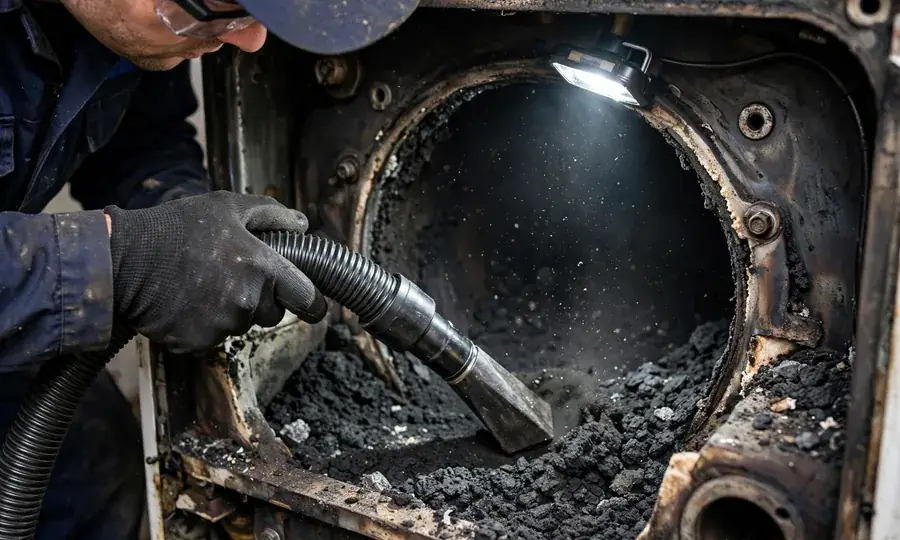
A two-fuel town’s fingerprints.
For the full technical breakdown, see our national gas boiler repair guide. (On oil — the Attleboro near-half — see oil boiler repair in Attleboro.)
The chain and its weak links.
The ignition chain — call for heat, igniter or pilot lights, flame sensor proves flame, gas valve opens — breaks at predictable links on Attleboro’s mixed installed base: oxidized flame sensors on older atmospheric units, cracked hot-surface igniters, tired thermocouples on standing-pilot survivors. The tech confirms gas supply and venting first, then tests components under load and reads combustion with instruments. Homeowner rule: never bypass a safety, never adjust the gas valve, never relight repeatedly hoping it holds. Three failed ignition attempts is a diagnosis, not a streak to extend.
One more Attleboro wrinkle: the newer condensing units on gas-served streets fail differently than the old atmospheric fleet — frozen condensate drains and blocked intake piping, not thermocouples. If the unit is under 15 years old and dead on a freezing morning, check the white plastic condensate line for ice before assuming the worst; if it is frozen, the boiler is protecting itself, and the fix is thawing plus rerouting, not parts.
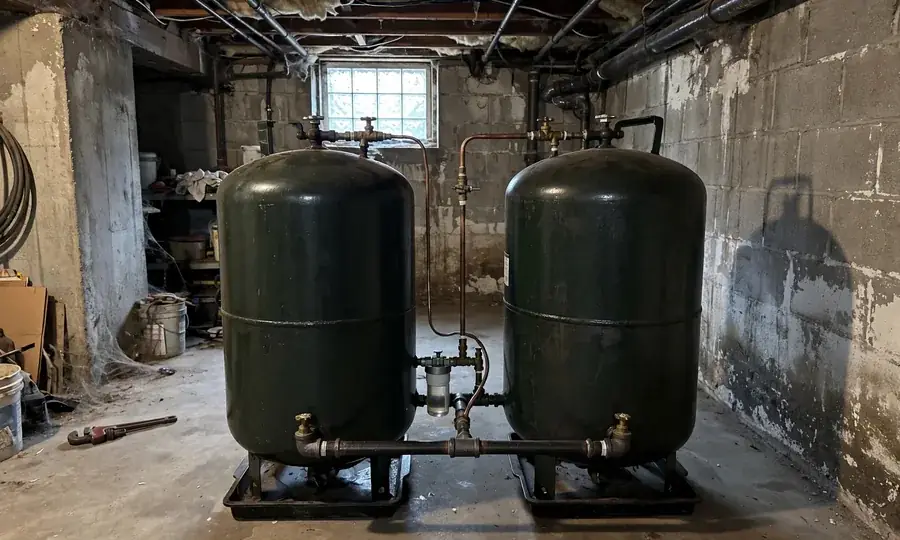
Detectors are the backup.
Gas combustion makes carbon monoxide; complete combustion and sound venting keep it outside. The Attleboro basics: CO detectors on every level — test monthly, replace on schedule; never block boiler vents or combustion-air openings (a “drafty basement” is the boiler breathing); treat yellow flames, soot marks, or new exhaust odors as same-day calls. Annual service includes the combustion check that catches CO problems before any detector does. If an alarm sounds: everyone out, call 911 from outside, and do not go back in to “check the boiler.”
Straight answers before you call.
The maintenance worlds barely overlap: burner tunes versus ignition and pressure. Name your fuel in the first sentence of the call and everything after gets easier.
Decoded by pattern: fails every attempt points to the ignitor or flame sensor; fails on cold mornings points to draft or condensate; intermittent failures point to a sensor drifting out of spec. Note exactly what the unit does before it gives up — the sequence is the diagnosis. Gas ignition faults are chatty if you listen.
Detectors on every level, tested monthly and replaced on schedule — and any alarm means everyone out and 911 from outside, no exceptions. Annual service with a combustion check is the prevention; the detector is the backstop. If your boiler room has no detector, that is the weekend project that matters most.
The maintenance shifts from burner tunes to ignition and pressure watch, the chimney likely needs a liner for the cooler gas exhaust, and the old oil tank — if still in the basement — is a removal conversation, not a decoration. Conversions of Attleboro's 30-to-40-year-old systems are common and generally successful when the venting was done right. If the chimney was never lined, start there.
Sealed-system pressure behavior — expansion tanks and auto-fill valves — on units that converted to pressurized operation, and chimney draft sized for the old oil exhaust rather than the new gas one. The conversion changed the fuel but sometimes left the infrastructure. A post-conversion check of pressure stability and flue condition closes the loop.
Related services in the Attleboro area.
Call (888) 766-1474 — describe the fault code for fast triage.