ATTLEBORO BOILER SERVICE

Boiler Diagnosis & Repair in Attleboro, MA

Boiler not heating right in Attleboro? In burner country, the burner is the diagnosis until proven otherwise — nozzles, electrodes, filters, tanks. Describe the symptoms by phone for oil-first triage.

✓ Oil-first diagnosis✓ Phone triage first✓ Repair-vs-replace honesty

General inquiries: 7 AM–7 PM · Emergency calls: 24/7 · (888) 766-1474

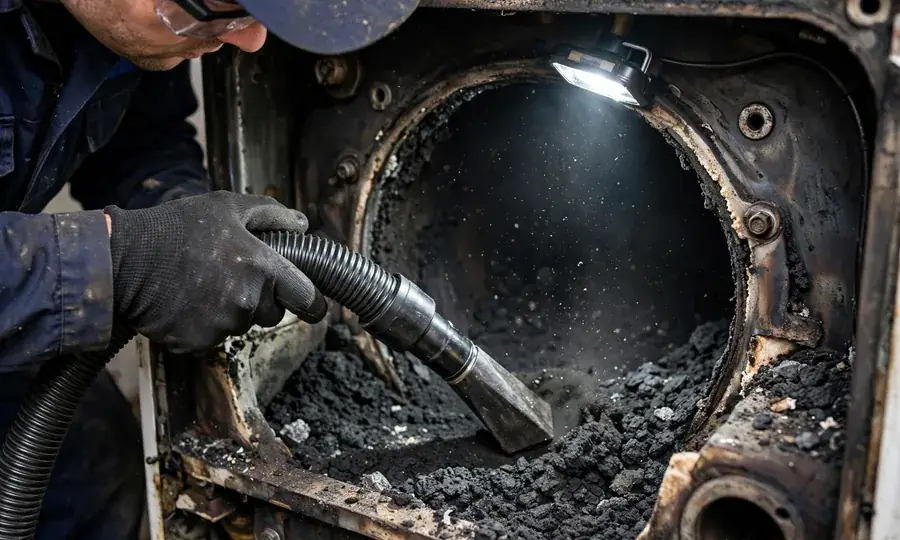
Technician vacuuming soot from a combustion chamber

The annual burner service, itemized

What you are paying for.

A proper oil burner service, line by line: nozzle replaced (every year — they wear), oil filter replaced, electrodes inspected, cleaned, gapped, burner housing vacuumed, heat exchanger brushed and vacuumed, combustion tested with instruments (O2, CO, efficiency, draft), tank glanced at, safety controls tested.

About an hour. Every fall. If your "service" skips the combustion test, it was a cleaning, not a service — ask for the readings.

Boiler Repair in Attleboro, MA

Diagnosing Attleboro systems

The burner is the suspect.

Most Attleboro faults live here — compound wear from years of deferred maintenance, not mysterious failures.

The deeper question on every old system: is the block sound? A weeping block ends the repair conversation. A sound block with a tired burner is a rebuild — often a tenth of replacement. The tech checks both, in that order.

Boiler Repair in Attleboro, MA

Common Attleboro repair calls

What comes up.

  • Burner rebuilds — nozzles, electrodes, pumps, filters, transformers
  • Tank-to-burner problems — sludge, water, rust from 30+ year tanks
  • Block weeps — section leaks on 35-40 year-old cast iron
  • Control failures — aquastats, relays, and wiring
  • Ignition faults — Confirm service coverage and discuss the boiler fuel type before booking.

The service-history question

Four words.

"When was it last serviced?" — in Attleboro, the answer predicts everything. Last fall: genuine component failure, fix it properly. Years ago: maintenance debt — start with a full service. Never: expect multiple findings; price the catch-up service first. It is the highest-information question in oil diagnostics.

Burner rebuild vs. single-part repair

The economics of old burners.

On a 35-year-old Attleboro burner, the question is rarely one part. A nozzle-and-electrode job fixes this month’s lockout; a full rebuild — nozzle, electrodes, pump, transformer, filter, combustion setup with instruments — resets the burner’s clock. The economics: individual repairs stack, each with its own visit, while a rebuild done once costs less than three callbacks and buys years. The exception is the sound-block test — a weeping block ends all repair math. The tech’s sequence on every old system: confirm the block is sound, then price the rebuild against the drip-feed of single-part repairs. On Attleboro’s deferred-maintenance fleet, the rebuild usually wins.

The twin-tank service note

Common here; service accordingly.

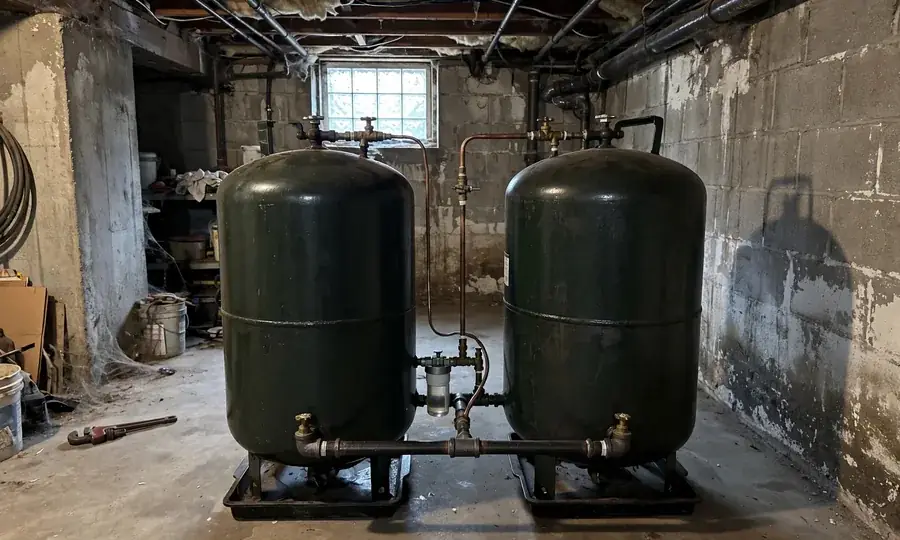
Twin-tank setups — two 275-gallon tanks feeding one burner — are common in Attleboro, and they double both fuel security and maintenance obligation. Service must check both tanks: gauges read independently, and a crossover or venting issue can leave one tank full while the burner starves on the other. When replacement time comes, replace as a pair — a new tank beside a dying one inherits the maintenance split, and the old one’s sludge does not respect the new one’s cleanliness. Tell triage you have twin tanks; it changes the parts list and the visit length. Tank leaks are emergency calls — contain, ventilate, call immediately.

Frequently Asked Questions

Straight answers before you call.

01

What does the annual burner service actually include?

The full itemized list: nozzle replaced, oil filter replaced, electrodes cleaned and gapped, heat exchanger brushed and vacuumed, and a combustion test with the burner adjusted to the numbers. That is the non-negotiable core — everything else the tech finds is reported, not assumed. In burner country, this visit is the heating system.

02

How do you diagnose an Attleboro oil system?

Fuel path first, then fire: tank and gauge, filter and lines, then nozzle, electrodes, and combustion. Attleboro's systems skew 30 to 40 years old, so service history is part of the diagnosis — a burner serviced annually fails differently from one serviced never. The tech reads the maintenance story in the soot before touching a part.

03

What are the most common repair calls in Attleboro?

Burner wear parts — nozzles, electrodes, filters — tank-related fuel issues, and controls aging out on 30-to-40-year-old systems. The pattern is maintenance debt made visible: the town's oil systems are durable but honest, and skipped service compounds. A rumble, a thump, or a lockout is the burner presenting its bill.

04

Why do you always ask about the service history?

Because it predicts the fault: an annually serviced burner with a new symptom is a part failure; a never-serviced burner with the same symptom is years of wear arriving at once. The history also tells us what the last tech saw — invaluable on 40-year-old systems with long memories. It is not small talk; it is diagnostic data.

05

Burner rebuild versus single-part repair — how do you choose?

By the burner's overall condition: one worn nozzle on a maintained burner gets the part; a burner with worn nozzle, tired electrodes, a coked head, and a decade of skipped service gets the rebuild conversation. Rebuilds make sense when the block and tank are sound and the burner is the weak link. The tech shows you the wear and lets the evidence decide.

Boiler acting up in Attleboro?

Call (888) 766-1474 — describe the symptoms for honest triage.

☎   Call (888) 766-1474