ATTLEBORO OIL SERVICE

Oil Boiler Repair in Attleboro, MA

Oil burner trouble in Attleboro? Burner rebuilds, tank work, compound wear: call to describe the symptoms.

✓ Burner-country experts✓ Full rebuilds✓ Tank replacement

General inquiries: 7 AM–7 PM · Emergency calls: 24/7 · (888) 766-1474

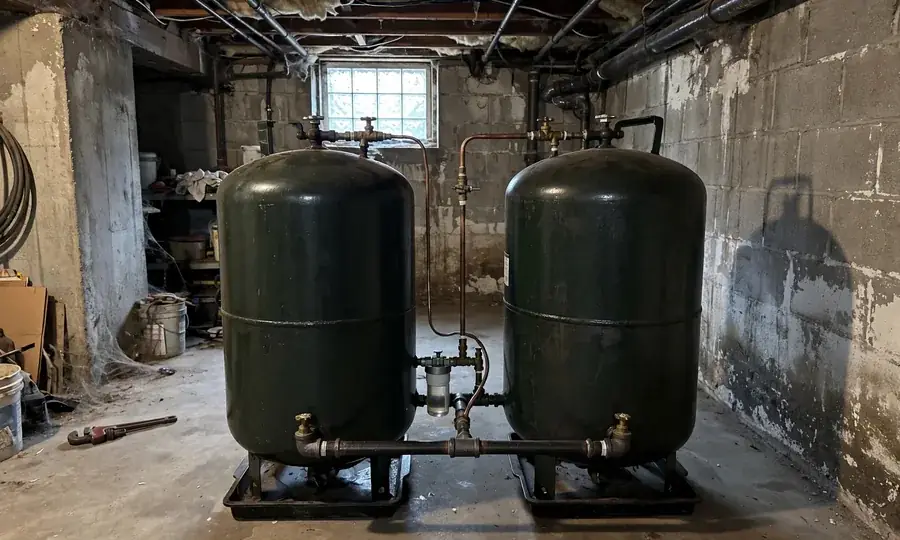
Twin indoor heating oil tanks in a basement

Fuel additives: what works

The honest guide.

What works: anti-gel for outdoor tanks in cold snaps (prevents waxing), sludge dispersants (marginal — help a little on dirty systems, do not fix bad tanks), water absorbers (help with minor water contamination). What does not: anything claiming to "rejuvenate" a dead burner, fix a weeping block, or replace a nozzle.

The rule: additives supplement maintenance; they never replace it. A clean burner on clean fuel needs nothing. A dirty burner needs service, not a bottle.

Oil Boiler Repair in Attleboro, MA

Burner country, defined

Fuel type and system symptoms affect the appropriate repair process. Confirm your equipment and ZIP code when calling.

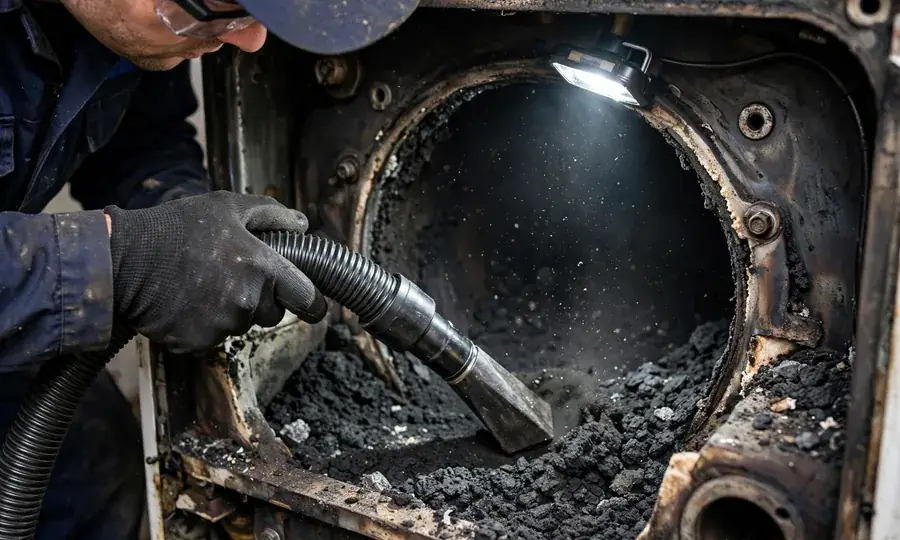
The work here is deep burner work — full rebuilds (nozzle, electrodes, pump, transformer, filter), tank assessment and replacement , and compound-wear diagnosis on systems that have not seen a tech in a decade.

Twin-tank setups are common here — two 275-gallon tanks feeding one burner. They double the fuel security and double the tank-maintenance obligation.

Oil Boiler Repair in Attleboro, MA

Read your symptoms

Oil symptoms, decoded.

  • Burner runs briefly, then lockout — nozzle, electrodes, or fuel starvation
  • Soot or smoke puff on startup — delayed ignition on a worn burner
  • Strong oil smell — leak at filter, fittings, or tank; ventilate, call promptly
  • Filters clog constantly — tank rust and sludge; the tank is the problem
  • One of twin tanks empty, other full — crossover or venting issue between tanks

For the full burner-component breakdown, see our national oil boiler repair guide.

Tank replacement signals

When the tank is done.

Watch for: weeping or damp spots, fuel odor, rapid filter clogging, or a tank over 30 years old. With twin-tank setups, replace as a pair — a new tank beside a dying one inherits the maintenance split. Planned replacement beats emergency replacement, every time.

The oil delivery routine

Delivery day, done right.

Delivery day has a routine: clear the path to the fill pipe, note the gauge before and after, make sure the driver can reach (unlocked gates, moved cars). After delivery, give the tank an hour to settle before running the burner hard — delivery stirs sediment, and the filter works harder for a day. Between deliveries, the gauge is your job: check weekly in winter, order at a quarter tank. In burner country, January delivery slots go to whoever ordered early; the will-call homes that run to an eighth are the run-out calls. A run-out is never just “out of oil” — the tank bottom’s sludge and air clog the nozzle and filter, so the burner needs attention even after the truck leaves.

Reading your tank’s age

It matters more than the boiler’s.

The tank’s age matters more than the boiler’s. Find the data plate — or ask when the house last had tank work; “original to the house” on a 35-year-old colonial is your answer. Indoor steel tanks age out around 30: weeping at the bottom seams, fuel odor that was not there last year, filters clogging faster each month. With twin tanks, both plates matter — replace as a pair. A weeping or leaking tank is an emergency: contain what you can, ventilate, call immediately. Planned replacement in September is a scheduled visit; in January it is a crisis with a surcharge of stress.

Frequently Asked Questions

Straight answers before you call.

01

Do fuel additives actually work?

The honest version: quality additives can help with sludge and cold-weather flow as prevention, but they do not rescue a gelled line or fix a worn nozzle — they are maintenance, not repair. No additive replaces the annual tune or a clean tank. If someone sells you a bottle instead of a service, you bought the wrong thing.

02

What does burner country mean, exactly?

Burner country means your tech has seen your exact failure a hundred times — and that the triage asks the right questions on the first call.

03

What are the warning signs on an indoor oil tank?

Weeping seams, blistering or flaking paint, and a fuel smell that was not there last winter — plus the calendar: indoor tanks corrode from the inside, so a tank past its expected life deserves professional eyes no matter how it looks. In Attleboro's capes and ranches, the tank often outlasts the attention paid to it. Inspect on your schedule, not the tank's.

04

What is the oil delivery routine I should follow?

Automatic delivery if your dealer offers it — otherwise, gauge checked weekly in winter and ordered at a quarter tank, with the fill path clear for the truck. Know your tank's size so a quarter means something. The routine is the whole game in burner country: deliveries are uneventful when they are planned, and emergencies when they are not.

05

How do I read my tank's age?

Look for the date stamp or label on the tank — many carry their birthday in plain sight — and if it is missing, the installation era can be estimated from the house's heating history. Anything past 30 years deserves professional eyes; past 40, a replacement plan. The tank's age matters more than the boiler's, because tanks fail catastrophically and boilers fail gradually.

Oil burner trouble in Attleboro?

Call (888) 766-1474 — describe the symptoms for oil-specific triage.

☎   Call (888) 766-1474