/>
WILMINGTON BOILER SERVICE

Boiler Repair & Diagnosis in Wilmington, DE

A Wilmington boiler that runs but misbehaves — flame dropping out after ignition, pressure sinking on a sealed system, lockouts on damp mornings — needs diagnosis, not guesswork. This is a gas city, so the fault families skew toward ignition, flame sensing, and condensate, with sealed-system pressure loss close behind. This page explains what those faults usually mean, what to tell us on the call, and how a diagnosis visit runs.

✓ Ignition & flame-sensing focus✓ Testing before parts✓ a phone conversation about symptoms

General inquiries: 7 AM–7 PM · Emergency calls: 24/7 · (888) 766-1474

A gas city's fault families

What diagnosis looks like when gas is the default.

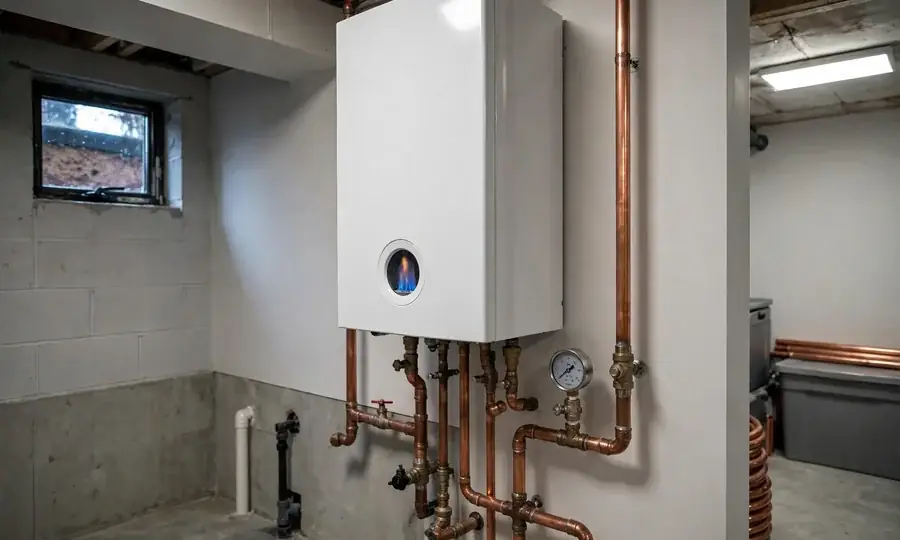
In a market this gas-heavy, most repair visits come down to three families. Ignition and flame-sensing faults lead by a wide margin: flame sensors fouled by years of cycling, igniters that glow but no longer light reliably, tired thermocouples on the oldest atmospheric units. Then condensate — humid mid-Atlantic winters and January cold snaps freeze or back up drains on condensing units, and the unit protects itself by shutting down. Then pressure loss on sealed systems: expansion tanks that have lost their charge and weeping fittings that drop the system below a healthy 12–15 psi cold.

If that is you, say oil first and the triage switches tracks.

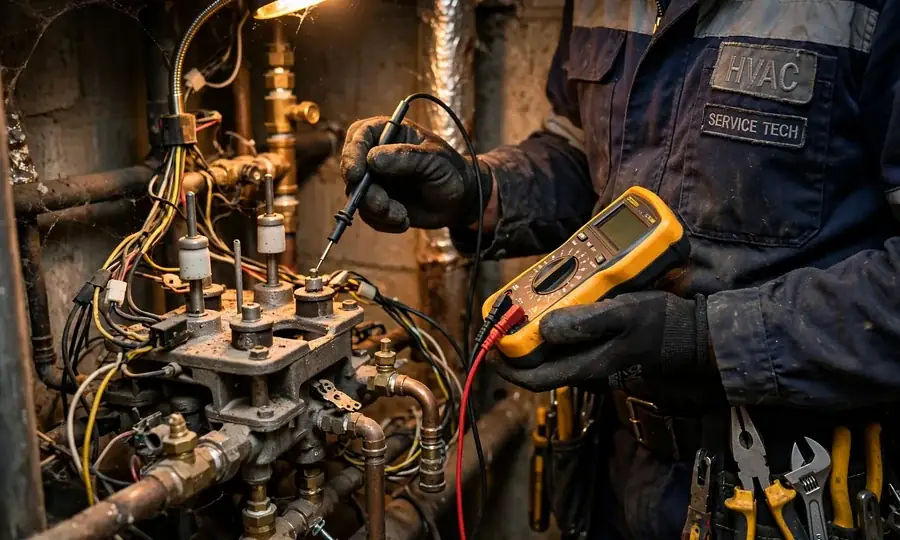
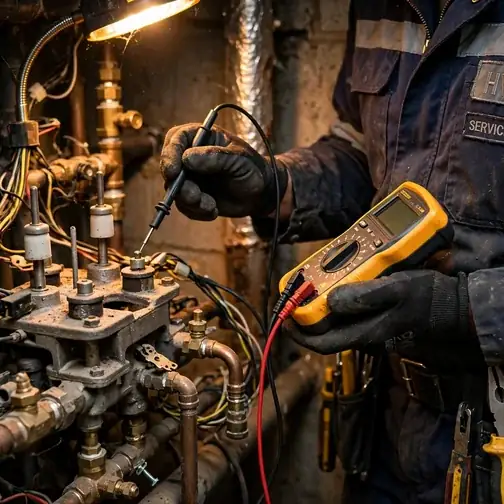
Technician testing ignition components on a boiler in a Wilmington basement

The calls Wilmington techs diagnose most

Recurring patterns by system type.

  • Flame dropout after ignition — fouled flame sensor, weak igniter, or grounding fault; the most common gas diagnosis in the city
  • Condensate backup and freeze — blocked or frozen drains that shut condensing units down on cold, damp nights
  • Pressure loss on sealed systems — expansion tank charge loss and weeping fittings in the colonial and suburban stock
  • Short-cycling on oversized legacy units — coal-era conversions sized for a draftier house than the one that stands today
  • Cold upstairs rooms with a running boiler — distribution: air, zone valves, or balancing, not the burner
  • Lockouts that cluster on damp mornings — moisture and ignition do not mix; the pattern itself is diagnostic
Boiler Repair in Wilmington, DE

Rowhouse conversion quirks

Old systems, mixed plumbing, oversized radiators.

Downtown rowhouses converted from coal decades ago carry quirks that trip up unfamiliar techs. The radiators were sized for coal-era heat loss and a drafty envelope — after insulation and window upgrades, the boiler is often oversized for the actual load, which shows up as short-cycling. Piping is frequently a mix of eras: original gravity-era mains married to pumped zones, valves replaced piecemeal, vents that were never part of anyone's maintenance plan.

These systems reward patience over parts. A proper visit reads the error history instead of clearing it, checks that the flame is actually being sensed rather than just lit, and looks at the whole water side before condemning any component. If your unit predates the conversion era by a wide margin, say so on the call — it changes the diagnostic playbook. The gas boiler page goes deeper on ignition and flame-sensing work.

Boiler Repair in Wilmington, DE

How a diagnosis visit runs here

In order: history, fuel, flame, water, distribution.

The visit starts with your symptom history — when it started, what changed, what you have tried — then works through the system in order: fuel supply and gas pressure, ignition and flame sensing, the water side (pressure, expansion tank charge, auto-fill valve function, air in the system), and distribution (zone valves, circulators, radiator balance). Findings come explained before any work is authorized: what failed, why it failed, and what the options are.

Two local notes. On damp mornings, lockout patterns are genuinely diagnostic — do not clear the display before the tech sees it. And if the unit is dead right now rather than misbehaving, skip this page and go to emergency repair instead. The signs your boiler may need repair guide helps sort these patterns before you call.

Boiler Repair in Wilmington, DE

Related Wilmington repair services

Deeper dives by fuel and situation.

If the fault is fuel-specific, the gas boiler page goes deeper on ignition, flame sensing, and condensate for the gas-served majority, and the oil boiler page covers burner and fuel-supply work for the city's oil holdouts. A dead unit on a freezing night belongs on the emergency page. When diagnosis shows the block is finished, see the installation and replacement page. Nationally, boiler leak and pressure repair and hot-water hydronic repair cover these fault families in general terms.

Frequently Asked Questions

Straight answers before you call.

01

My downtown rowhouse radiators bang loudly when the heat comes on. What is that?

Classic one-pipe steam complaints: failed air vents that no longer let air escape, or radiators that lost their pitch toward the return. The steam slams into trapped air and water, and the whole house hears it. Replacing the vents and re-pitching the radiators usually quiets it — no burner work needed.

02

The boiler in my Brandywine colonial runs constantly through January. Is it failing?

Not necessarily — January is design-load weather, and a properly sized boiler runs long cycles in deep cold. It is a problem only if the house is not reaching temperature, or if it ran this way in mild October weather too. Note the indoor temperatures it achieves when you call (888) 766-1474.

03

My Elsmere ranch's baseboards are cold at the far end of the loop. What fixes that?

Flow, not fire — the far end of a long ranch loop starves when the circulator is weak, the loop is air-bound, or the near rooms hog the flow. Balancing valves that throttle the short runs, bleeding the high points, and checking the circulator usually restore the far end without touching the boiler.

04

There is water under my high-efficiency boiler. How urgent is this?

Find the source first: condensate from a blocked or disconnected drain is common and usually not an emergency; water from the heat exchanger or a failed joint is. If the unit is still heating and the water is clearly condensate, schedule a visit. If you cannot tell, or the unit is faulting, call promptly.

05

My 1980s gas boiler still works fine. Should I keep repairing it?

While parts are available and failures are minor, yes — a 1980s unit with a good heat exchanger has years left. The retirement signals are a cracked section, a failing heat exchanger, or repair bills that stack up year after year. Mention the age and recent repairs on the call for an honest assessment.

Boiler misbehaving in Wilmington?

Call (888) 766-1474 — describe the symptom and get connected to a local pro for real diagnosis.

☎   Call (888) 766-1474