
Determine where heat is missing
Note whether all rooms or a single zone are affected and whether the boiler reaches its operating temperature.
Hot-water (hydronic) boilers circulate heated water through radiators, baseboards, or radiant-floor loops. If rooms stay cold, the issue may lie in the boiler, circulator, zone controls, air removal, or the heating-water loop.
General inquiries: 7 AM–7 PM · Emergency calls: 24/7. Service availability must be confirmed.
Enter your ZIP code or city, or call to ask about available service options.
Search results do not guarantee coverage or an appointment.
These symptoms help explain what may need professional attention.
Symptoms can have more than one cause. Avoid opening sealed equipment, modifying safety devices, or working on live electrical or pressurized components.
An assessment should identify the actual fault before parts or equipment are recommended.
Note whether all rooms or a single zone are affected and whether the boiler reaches its operating temperature.
Depending on the system, a technician may assess circulators, valves, air removal, expansion control, pressure, and thermostat calls.
Review whether the problem is in the heat source, piping, or distribution components before authorizing replacements.
Do not open a boiler cabinet, alter gas fittings, bypass safety controls, or work on pressurized components without appropriate qualifications.
Call first, describe the problem, and confirm local availability and charges.
Call (888) 766-1474 and explain the type of service you need.
Share the fuel type, model if known, and the symptoms or project goals.
Provide your ZIP code to ask whether service options are available.
Ask about assessment fees, scheduling, and any estimate before authorizing work.
A hydronic boiler makes hot water; the distribution system decides which rooms get it.
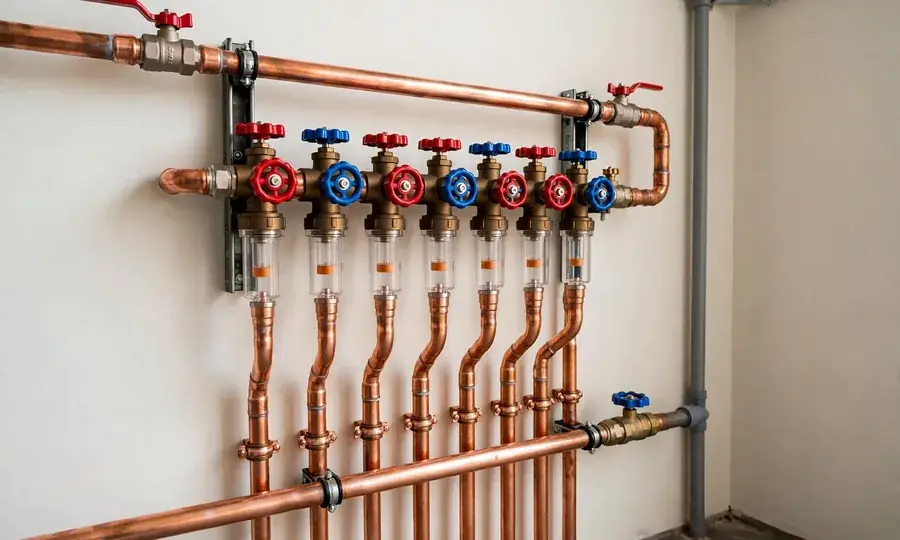
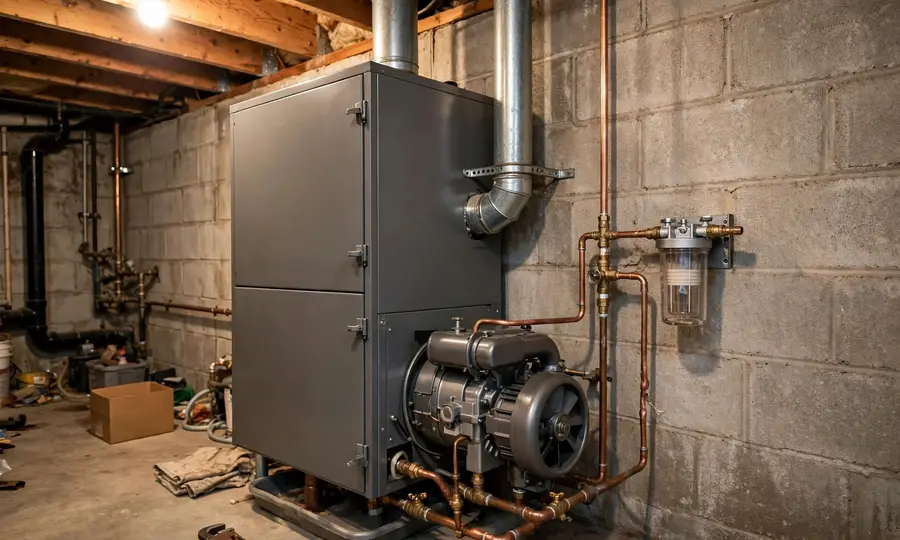
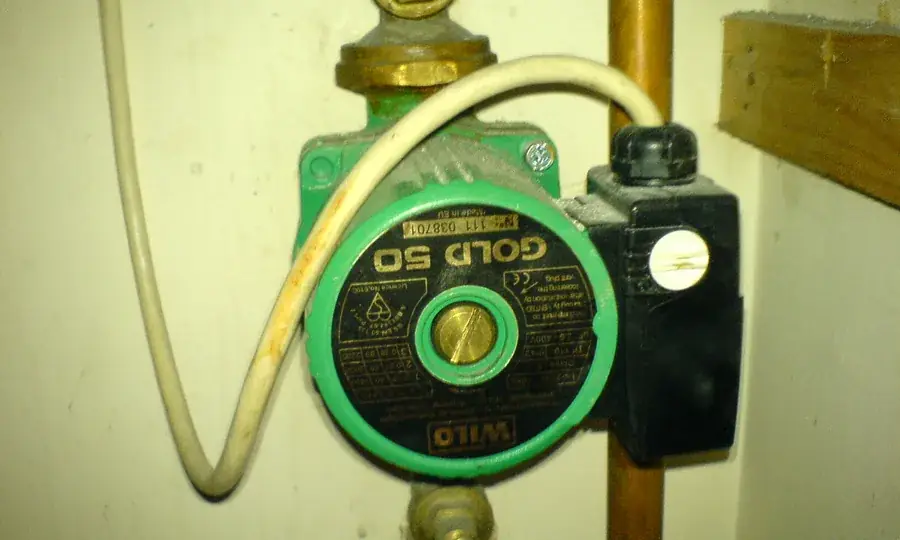
The circulator pump moves water through the loop. Zone valves (or multiple circulators) open and close per thermostat, so areas heat independently. An air separator plus automatic air vents scrub micro-bubbles from the water, because air is the enemy: it collects at high points, blocks flow, and corrodes from inside. The expansion tank absorbs the water's growth as it heats.
Most "boiler works but rooms are cold" complaints are distribution faults, not boiler faults — a dead zone valve, an airlocked loop, or a seized pump. The boiler is doing its job; the water just is not reaching the room.
Distribution faults, not boiler faults.
Answers to common questions before you request an assessment.
It heats water and circulates it through radiators, baseboard units, radiant floors, or other water-based heat emitters.
No. Hot-water systems circulate liquid water; steam systems generate vapor and use different pressure and control arrangements.
Possible causes include air in the loop, a closed valve, zone-control faults, insufficient flow, or balancing problems.
A leak, expansion or fill component issue, or another system fault may be involved. Repeated topping-up is not a permanent fix.
Only follow the safe homeowner procedure provided for your exact system. Stop if you are unsure or if the pressure behaves unexpectedly.
Thermostats, zone controls, pump operation, air, or restricted flow can prevent water from reaching the emitters.
The cost depends on the diagnosed fault, accessibility of piping or zones, parts, and the site. Confirm assessment and repair charges.
A distribution problem may not require replacing the boiler. Compare confirmed faults, age, heat output, and overall system condition.
Bleed a radiator: a hiss of air followed by water points to air in the system. If bleeding yields water immediately everywhere yet flow is still absent — and the pump is powered — the pump itself is suspect. A pump hot to the touch but moving nothing is often seized; one cold and silent may have no power or a failed capacitor.
No — needing frequent bleeding means air is entering continuously, usually through a leak drawing air in on cooldown or a faulty automatic vent. Fix the source; routine bleeding is treating the symptom.
Learn about related heating-system problems and repair considerations.
Explore service →
Learn about related heating-system problems and repair considerations.
Explore service →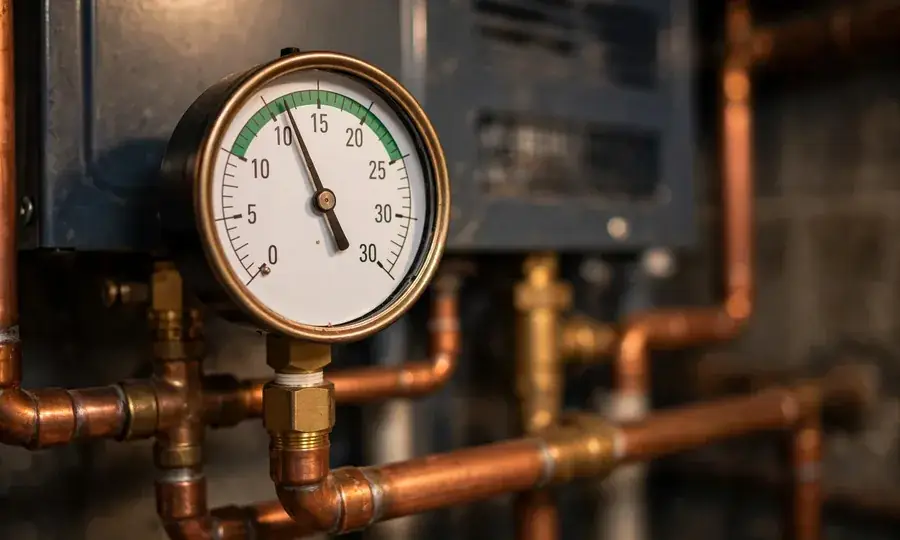
Learn about related heating-system problems and repair considerations.
Explore service →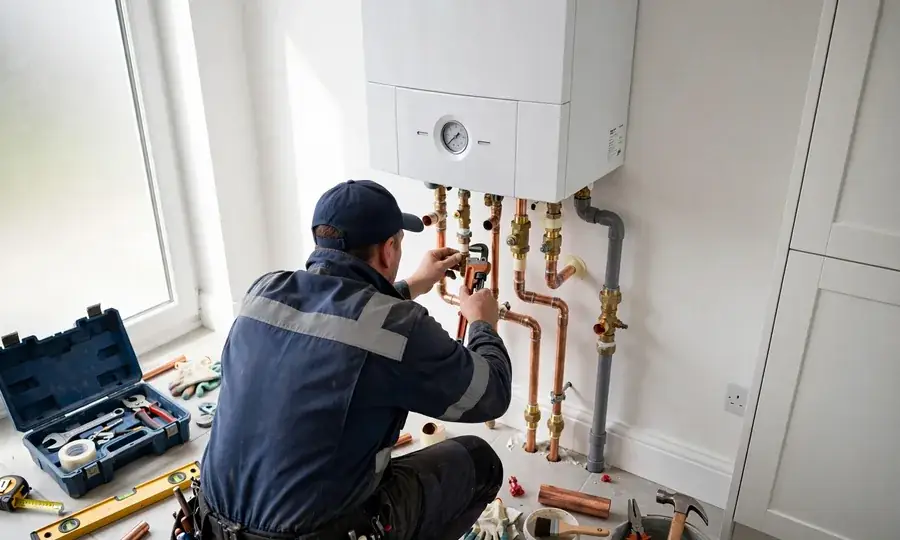
Learn about related heating-system problems and repair considerations.
Explore service →Tell us whether the whole property is cold or only certain zones. Call about circulation, radiator, and hot-water boiler repair options in your area.
Call (888) 766-1474Tell us what's happening with your heating system and where service is needed.