
Confirm equipment and symptoms
Identify the electric boiler model, what the display shows, and whether the issue affects all heating zones.
An electric boiler heats circulating water without a fuel burner. If it stops heating, trips a circuit, or runs without warming your rooms, the cause may involve heating elements, controls, electrical supply, or circulation—not gas ignition.
General inquiries: 7 AM–7 PM · Emergency calls: 24/7. Service availability must be confirmed.
Enter your ZIP code or city, or call to ask about available service options.
Search results do not guarantee coverage or an appointment.
These symptoms help explain what may need professional attention.
Symptoms can have more than one cause. Avoid opening sealed equipment, modifying safety devices, or working on live electrical or pressurized components.
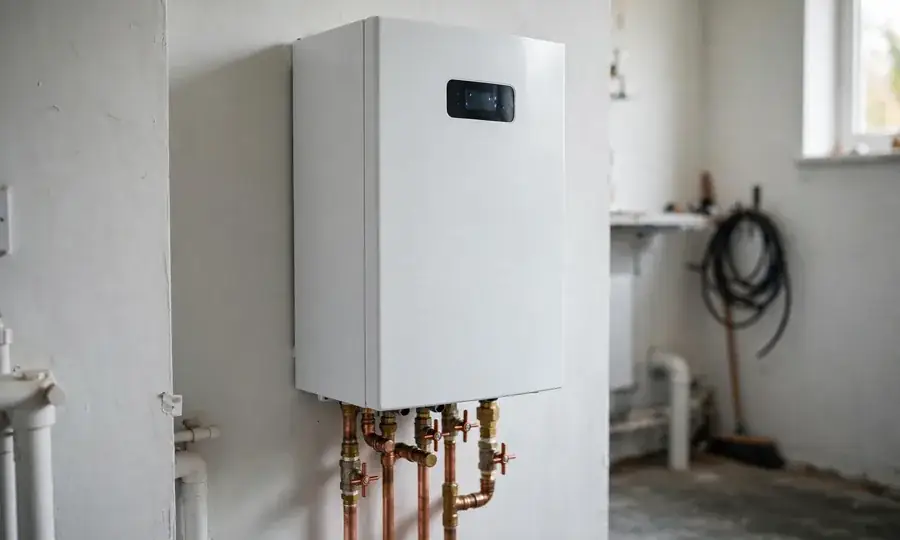
An assessment should identify the actual fault before parts or equipment are recommended.
Identify the electric boiler model, what the display shows, and whether the issue affects all heating zones.
Qualified personnel may test electrical supply, element circuits, protection devices, controls, pumps, and heating-water operation.
Discuss whether a heating element, contactor, control, or circulation component can be repaired or should be replaced.
Do not open a boiler cabinet, alter gas fittings, bypass safety controls, or work on pressurized components without appropriate qualifications.
Call first, describe the problem, and confirm local availability and charges.
Call (888) 766-1474 and explain the type of service you need.
Share the fuel type, model if known, and the symptoms or project goals.
Provide your ZIP code to ask whether service options are available.
Ask about assessment fees, scheduling, and any estimate before authorizing work.
No combustion, no flue, no fuel — an electric boiler is heating elements, switching, and safeties.
Mains power feeds heating elements immersed in the system water, switched in stages by contactors or solid-state relays under the control board's direction. A high-limit thermostat watches water temperature as the safety backstop, and the whole unit hangs off a dedicated breaker sized for its kilowatt rating.
Failure modes follow the electrics: elements scale up or burn out open (no heat from that stage), contactors pit and stick (boiler will not switch off, or will not switch on), and loose or overheated connections trip breakers. Diagnosis is electrical testing — element resistance, contactor operation, supply voltage — rather than combustion analysis.
Electrical symptoms, electrical causes.
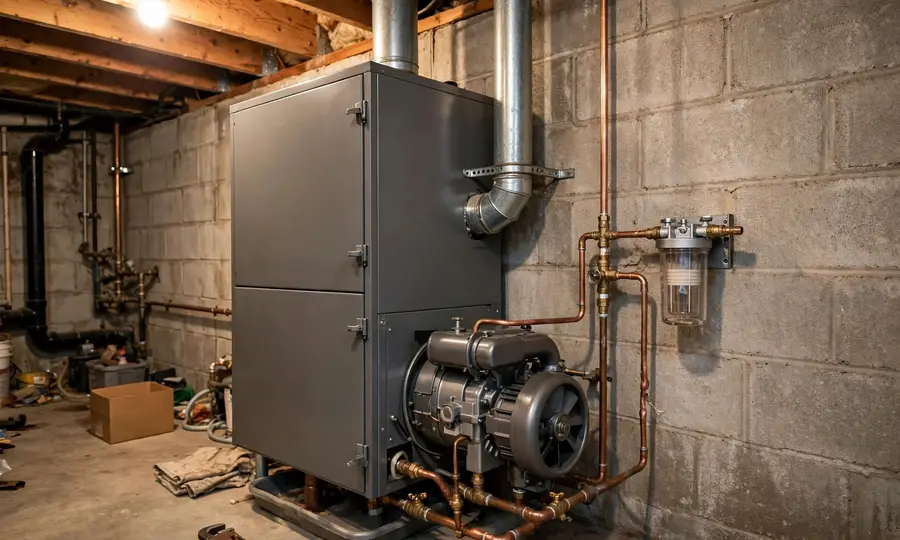
Answers to common questions before you request an assessment.
No. An electric boiler typically heats water using electrical heating elements or other electric heating technology.
A heating-element, control, protection, or circulation problem may be preventing useful heat delivery.
Do not repeatedly reset a breaker that trips. An electrician or appropriately qualified boiler technician should investigate the cause.
Some sealed hot-water electric boilers use the same type of pressurized heating loop as other hydronic boilers. Follow the unit’s requirements.
Yes. Water may not move through the heating zones even if the boiler generates heat.
This involves high-voltage and sometimes pressurized components. It should be handled by qualified professionals.
Diagnosis, equipment capacity, element or control parts, electrical access, and local availability affect pricing.
Consider age, recurrent faults, required repairs, electrical capacity, and whether compatible parts remain available.
A breaker trips on overcurrent or a fault to ground. On electric boilers the usual suspects are a heating element that has shorted internally or a contactor breaking down. It can also be a tired breaker tripping below its rating. Element resistance and insulation get tested before the breaker is condemned — resetting repeatedly without finding the cause risks overheated wiring.
They need far less: no combustion means no soot, no flue, no burner to tune. But they are not maintenance-free — electrical connections should be checked for tightness and heat damage, safeties verified, and system pressure and water quality kept right, since the wet side corrodes the same as any boiler.
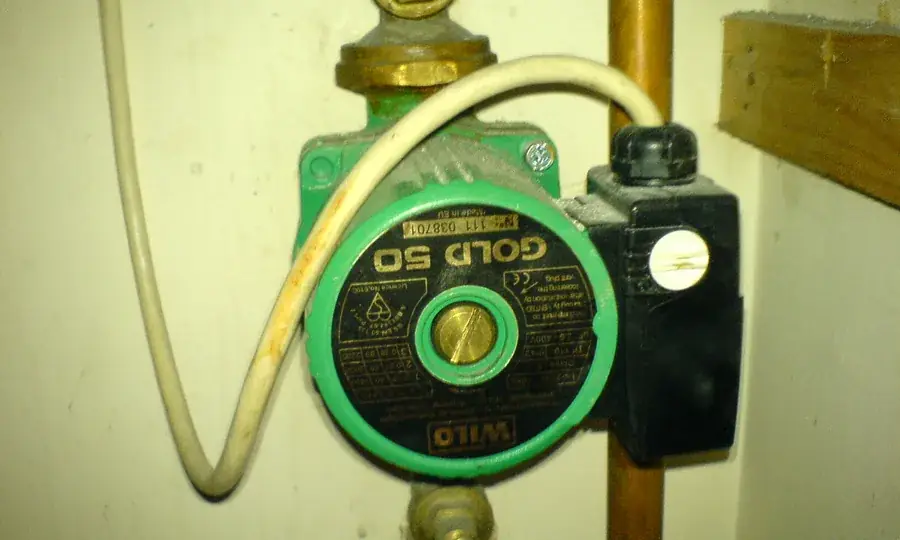
Learn about related heating-system problems and repair considerations.
Explore service →
Learn about related heating-system problems and repair considerations.
Explore service →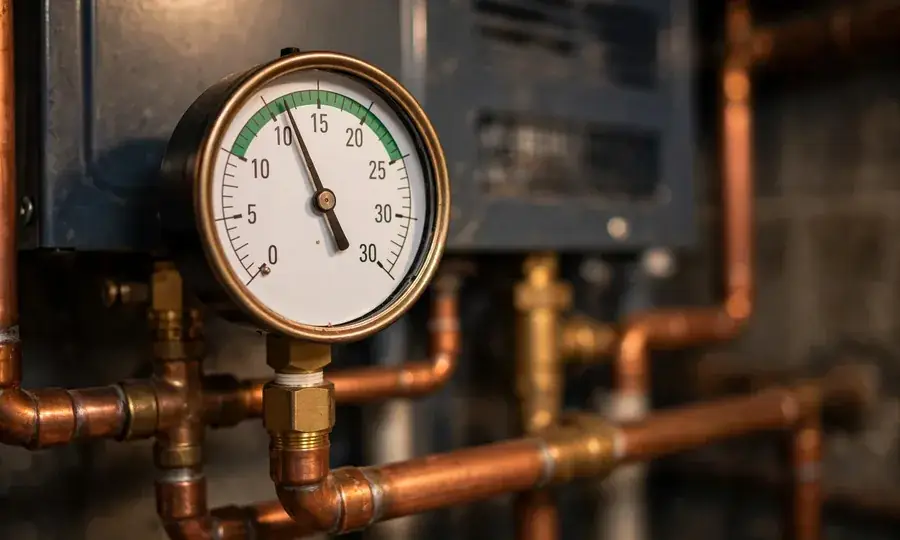
Learn about related heating-system problems and repair considerations.
Explore service →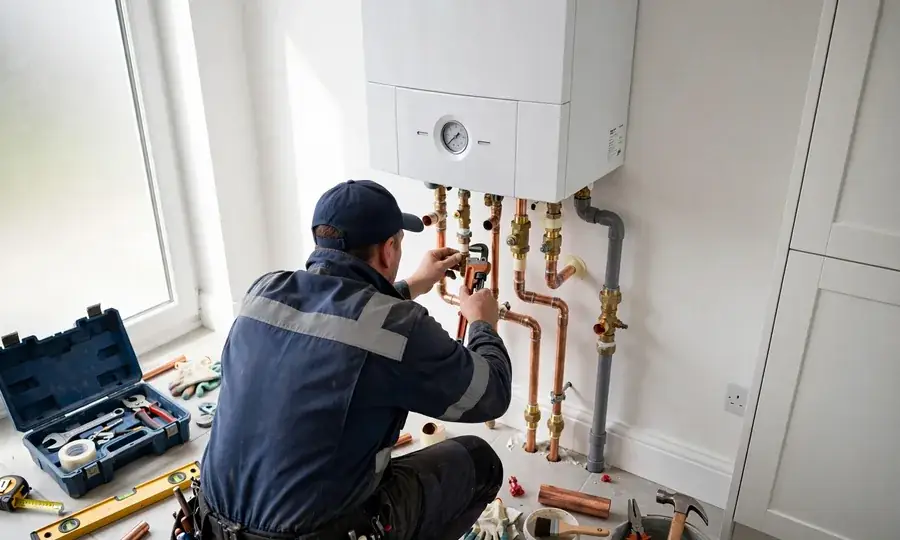
Learn about related heating-system problems and repair considerations.
Explore service →Tell us whether the display has power, a breaker is tripping, or the rooms are cold. Call to ask about suitable repair options and local availability.
Call (888) 766-1474Tell us what's happening with your heating system and where service is needed.