STATEN ISLAND OIL SERVICE

Oil Boiler Repair on Staten Island, NY

Oil burner locking out, soot around the boiler, or no heat on Staten Island? Island driveways make oil delivery access easy; the triage is burner-first, tank-second, block-last. Call to describe the symptoms.

✓ Burner lockouts✓ Nozzle and filter service✓ Fuel-supply issues

General inquiries: 7 AM–7 PM · Emergency calls: 24/7 · (888) 766-1474

Oil delivery and tank realities

The parts of oil heat that are not the burner.

Oil heat has logistics gas heat does not. Delivery scheduling matters — running a tank dry pulls sludge and air into the fuel line, which is the classic cause of the "just ran out, now it will not restart" call (the burner needs bleeding and repriming after a run-out). Staten Island has one built-in advantage here: driveways. Unlike the denser boroughs, delivery trucks can reach almost every island home easily, so will-call customers who watch the gauge rarely get stranded by access.

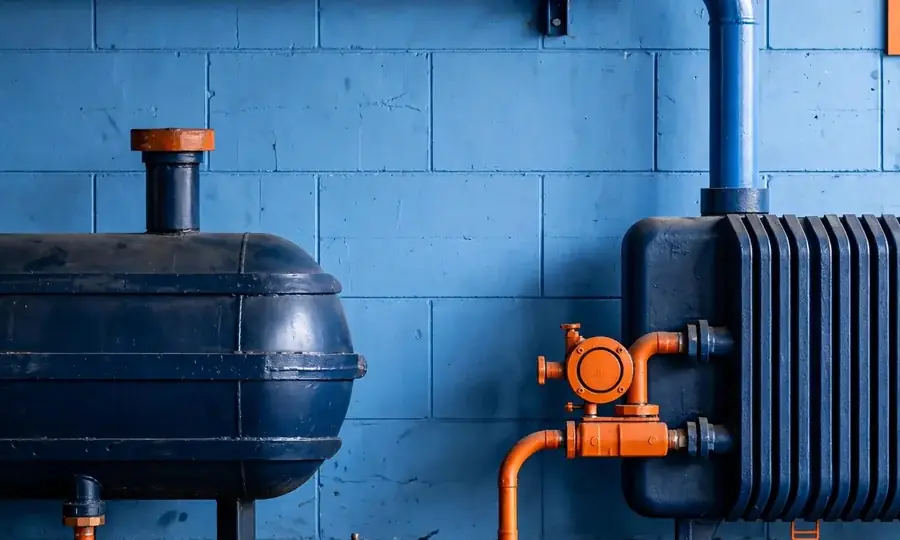
Tank condition is the other half: island oil tanks are typically indoor basement tanks — the standard 275-gallon steel tank sitting beside the boiler. They last decades but rust from the inside where water condenses, and in flood-zone basements the outside rusts too. A burner that starves with oil in the tank is usually telling you about the tank or the line, not the burner — filters clogging every few weeks are the giveaway. Automatic delivery versus will-call changes how often run-outs happen; if you are will-call, the gauge check is a heating-season habit worth building.

Oil Boiler Repair

Where Staten Island oil heat lives

A real minority — concentrated, not scattered.

George, Tompkinsville, Port Richmond, Mariners Harbor), where homes never converted when Con Edison gas mains arrived, plus Mid-Island pockets on streets the mains skipped. These are typically cast-iron oil-fired boilers with pressure-atomizing burners: durable blocks, with faults concentrated at the burner end.

The local pattern is deferred maintenance meeting the coldest nights. A nozzle overdue for replacement, a filter full of tank sludge, electrodes out of gap — each is a consumable, and each fails when the burner works hardest. In an oil-minority market, finding a tech who still speaks fluent oil-burner matters: the triage questions here are burner-first, tank-second, block-last. And one North Shore wrinkle — some of these boilers are coal conversions, units that started life on coal and were converted to oil decades ago. They heat fine, but their oversized fireboxes and old controls deserve a tech who has seen the type before.

Oil Boiler Repair
Oil Boiler Repair
Oil Boiler Repair

Read your symptoms

Oil symptoms, decoded.

  • Burner runs briefly, then lockout — cad cell not proving flame: nozzle, electrodes, or fuel starvation
  • Soot or a puff of smoke on startup — delayed ignition; unburned oil detonating late
  • Strong oil smell — leak at filter, fittings, or tank line; ventilate and call promptly
  • Dies in cold weather, ran fine before — fuel waxing or an exposed tank line
  • Red reset button needed often — repeated ignition failures; find the cause, not the button

For the full burner-component breakdown, see our national oil boiler repair guide.

Before you call: oil-burner checks

Two minutes that sharpen the triage.

  • Reset discipline — press the red burner reset once; if it locks out again, stop. Repeated resets flood the chamber with unburned oil and turn a service call into a cleanup
  • Tank gauge — check the float; the most common "burner died suddenly" call in the island's oil pockets is a run-out, which needs delivery plus bleeding and repriming
  • Filter age — if you know when the filter was last changed, say so; filters clogging every few weeks point at the tank (rust, sludge, water), not the burner
  • Soot check — soot around the burner door or a puff of smoke on startup means delayed ignition; do not run it to "get through the night"

For the full burner-component breakdown, see our national oil boiler repair guide.

Frequently Asked Questions

Straight answers before you call.

01

Our North Shore oil burner keeps locking out. What is the triage order?

Burner first, tank second, block last: nozzle, electrodes, and filter, then the tank's condition and fuel quality. The island's oil pockets see the classic neglected-burner pattern. Your last service date is genuinely diagnostic; if it has been years, the triage already has a strong hypothesis.

02

How does oil delivery work with our driveway setup?

Easily, which is one of the island's advantages. Nearly every house has a driveway, so the truck parks close and the fill run is short. Automatic delivery means the company watches your usage; will-call means you watch the gauge. Tell the triage which you are on; run-out risk lives almost entirely with will-call.

03

Our basement tank dates to the eighties. Replace now or wait?

Plan it rather than reacting to it. Legs, seams, and fittings tell the story; surface rust on legs is the early warning. A pro can assess it during a service visit, which beats discovering a weep in January. Mention the tank's age when you call so the assessment is on the agenda.

04

The burner soots up between services. What does that indicate?

Combustion drifting out of tune: nozzle wear, electrode misalignment, or draft changes, plus a heat exchanger collecting fouling. Annual service keeps it in line; soot between services means the interval is too long or something changed. Note how quickly it builds; fast buildup points at a specific fault.

05

Could our street ever get gas mains?

That is a utility planning question, and the honest answer for most skipped streets is not soon. Plan around oil: modern burners, sound tanks, and regular service heat reliably for decades. The triage will not sell you a conversion that depends on mains that do not exist.

Oil burner trouble on Staten Island?

Call (888) 766-1474 — describe the burner symptoms for oil-specific triage.

☎   Call (888) 766-1474