STATEN ISLAND EMERGENCY SERVICE

Emergency Boiler Repair on Staten Island, NY

No heat with a coastal wind driving the wind chill down, water around the basement boiler, or a unit that keeps locking out. Call any time. The emergency telephone line is available 24/7 and true emergencies — freeze risk, gas incidents, flooding — go first.

✓ 24/7 emergency triage✓ Freeze-risk prioritized✓ 10301–10314 coverage

General inquiries: 7 AM–7 PM · Emergency calls: 24/7 · (888) 766-1474

What the emergency triage asks

Have these answers ready — they decide the dispatch priority.

The triage call runs a fixed sequence: fuel type (gas, oil, steam — each routes differently), what failed (heat, hot water, or both), error code if the display shows one, how fast it is getting cold inside, and your ZIP. "Con Ed gas, no heat, house at 58 and falling, 10314" gets you correctly prioritized in under a minute.

Two island specifics to mention upfront: basement flooding history — a boiler that sat in saltwater has different failure modes, and flood-damaged controls can fail intermittently rather than cleanly — and whether you rent, since the property owner usually needs to authorize work. Detached homes also cool faster than attached ones, so the indoor-temperature trend matters more here: a house at 62 and holding is a different priority than one at 55 and falling. The triage will tell you all of this upfront rather than after a truck rolls.

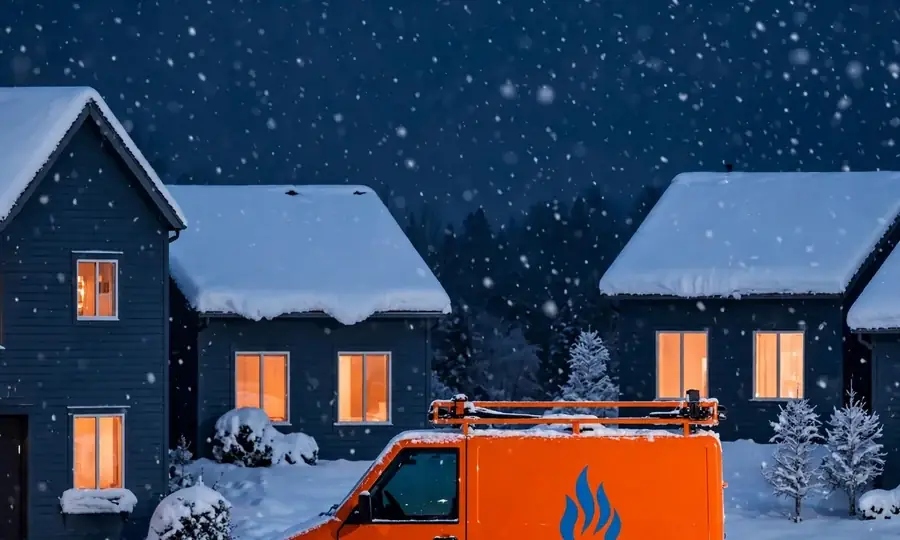
Emergency Repair

What counts as an emergency on Staten Island

January nights run in the 20s, colder with the wind off the water. Use these lines.

  • No heat with freezing weather — detached houses lose heat on all four sides; pipes in exterior-wall cavities freeze fast, especially in drafty North Shore two-families
  • Smell of gas — leave the building first, then call Con Edison or 911 from outside; the utility clears the hazard before any boiler work
  • Carbon monoxide alarm — get out, call 911, do not re-enter to check the boiler
  • Water around the boiler or pipework — in flood-zone basements, kill power to the area if you safely can and do not wade in; then call
  • Repeated lockouts you keep resetting — a safety is stopping the boiler for a reason; stop resetting it
  • Steam boiler running dry or surging — North Shore steam systems: low water on steam is urgent, not a wait-and-see
Emergency Repair
Emergency Repair

While you wait

Three things that help in an island winter.

Note the details before calling: the error code on the display, whether it is heat, hot water, or both that failed, and your fuel type — gas, oil, or steam. That trio routes the triage instantly.

Protect the pipes: detached houses have plumbing in exterior walls on every side, so open cabinet doors under sinks and let taps drip slightly when the heat is out. Do not keep resetting a locked-out boiler or open the casing — both make things worse. If the basement is flooding around the boiler, stay out of the water; electricity and floodwater are a combination you do not negotiate with.

Emergency Repair

No-heat triage checklist

Do this before you call — it takes five minutes.

  • Thermostat — calling for heat, set above room temp, batteries good
  • Breaker and switches — boiler breaker on, emergency switch (the red one, often at the top of the basement stairs) on
  • Pressure gauge — cold reading near 12–15 psi is normal; near zero on a sealed system means water loss, a different emergency than a dead burner
  • Oil tank — check the float gauge; a run-out needs a delivery plus a burner bleed and reprime, not a parts order
  • Reset discipline — one press, then observe; repeated resets on oil can flood the chamber, on gas they mask ignition faults
  • Smell check — fuel-oil smell means ventilate and call promptly; gas smell means leave and call Con Edison or 911 from outside

Call with these answers — fuel type, gauge reading, error code, indoor temperature trend — and the triage can prioritize you correctly in under a minute.

Frequently Asked Questions

Straight answers before you call.

01

No heat with the coastal wind driving the wind chill down. What do I say when I call?

Your ZIP, fuel type, what the unit is doing, and how fast the house is cooling. Freeze-risk calls go first on the island because wind chill punishes a cold house faster than the thermometer suggests. If the unit is a high-efficiency gas model, mention the outdoor condensate drain; it is a prime suspect on windy cold nights.

02

There is water around the basement boiler after heavy rain. What now?

Do not power it up if water reached the burner or controls. South Shore basements in Sandy-era flood zones flood first, and saltwater exposure is its own damage category. Note the waterline height and how long it sat; the triage treats storm water differently from a plumbing leak.

03

Gas odor in the house: do we call Con Edison or the repair line?

Con Edison first: they are the island's gas utility, and gas odor is always their call before anyone else's. Call from outside the house, and do not flip switches or use phones near the smell. After their all-clear, the repair line at (888) 766-1474 handles the boiler side.

04

The oil tank gauge reads empty in January. Is that an emergency?

It is a run-out, and it gets oil-specific triage from the first question. Stop hitting the reset button: dry running pulls sludge and air into the line. Tell the triage the gauge reading and your delivery situation; island driveways make delivery access easy, which helps the timeline.

05

The boiler locked out and the house is dropping fast. Will someone answer at night?

Yes, the emergency line is answered 24/7, and true no-heat calls in freezing weather go to the front. Describe the lockout behavior: whether it fires at all, any error code, and the fuel type. The more specific the symptoms, the faster the right help is routed.

Boiler emergency on Staten Island?

Call (888) 766-1474 now — 24/7 emergency triage, freeze-risk calls prioritized.

☎   Call (888) 766-1474