STATEN ISLAND BOILER SERVICE

Boiler Repair on Staten Island, NY

Boiler not heating right on Staten Island? Describe the symptoms by phone — error codes, noises, what stopped working — and check local repair options for your ZIP. Gas, oil, steam, and combi systems, from North Shore two-families to South Shore new construction.

✓ All fuel types✓ Phone triage first✓ Local pro diagnosis

General inquiries: 7 AM–7 PM · Emergency calls: 24/7 · (888) 766-1474

Repair or replace?

The honest math for island boilers.

Not every failing boiler should be repaired. The decision turns on three things: the fault (a flame sensor cleaning vs. a cracked block), the boiler age and efficiency (a 35-year-old atmospheric unit vs. a modern condensing unit), and repair history (one fault in five years vs. three this winter).

Island specifics tilt the math two ways: two-family houses double the consequence of a mid-winter failure — downtime hits two households — which argues for earlier replacement of marginal units; and flood-zone boilers with saltwater corrosion history often fail at the controls and gas valve rather than the block, so a repair estimate should account for what the water already damaged. The on-site diagnosis gives you both — what the repair costs and what the boiler's overall condition suggests — so the decision is informed, not pressured.

Boiler Repair

How Staten Island boiler diagnosis works

Neighborhood patterns shape the questions.

Most island calls start with two facts: what the boiler is doing and where it lives. A St. George oil burner that locks out gets burner questions (nozzle, electrodes, last service); a New Dorp gas unit that fires then cuts out gets flame-sensing questions; a Stapleton steam boiler with banging gets water-level and venting questions; a Tottenville condensing unit dead after a windy cold snap gets condensate-drain questions. The symptom plus the housing pattern usually identifies the subsystem before anyone travels.

On site, the technician tests within that subsystem — flame rectification current on a gas unit, nozzle spray and cad-cell sighting on oil, pressure and venting on steam — and explains findings before any work is authorized. You hear the diagnosis, then you decide.

Boiler Repair
Boiler Repair
Boiler Repair

Common Staten Island repair calls

What actually comes up, by neighborhood pattern.

  • Ignition and flame-sensing faults — the top gas call: fires briefly, then cuts out
  • Burner lockouts on oil — nozzles, electrodes, and clogged filters in the island's oil pockets
  • Pressure loss on sealed systems — expansion tanks and weeping joints in Mid-Island and South Shore installs
  • Cold rooms with a running boiler — zone valves, airlocks, and seized pumps; split-levels and ranches with long baseboard runs are classic for this
  • Steam banging and surging — venting and water-quality issues in the North Shore's older steam systems
  • Corrosion failures in flood-zone basements — controls and valves that sat in saltwater and never fully recovered

The ten-minute homeowner triage

Checks that take minutes and sharpen the call.

Before you call, run this quick sequence — every answer routes the triage faster:

  • Thermostat — set it above room temperature and confirm it is calling for heat; dead batteries kill more "boiler failures" than anyone admits
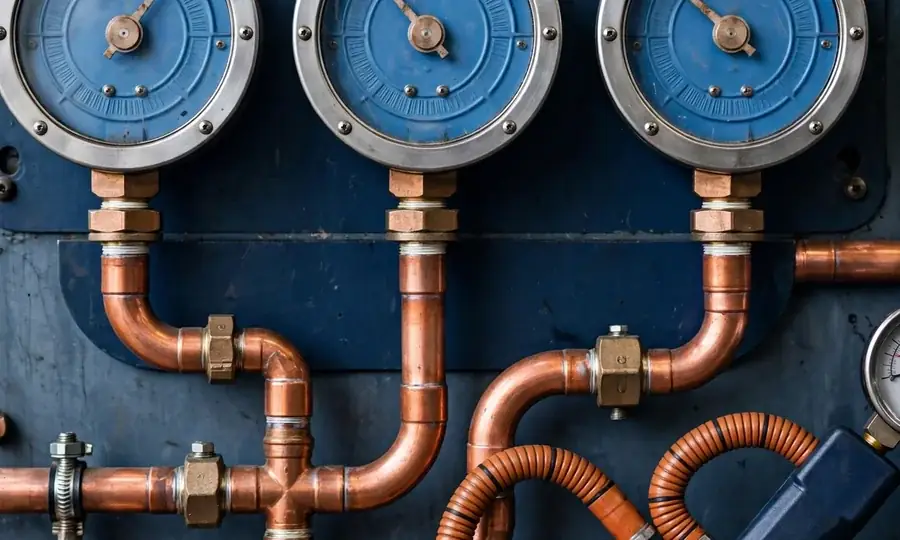
  • Pressure gauge — a cold sealed system should read roughly 12–15 psi; near zero means the system lost water somewhere, not that the burner failed
  • Oil tank gauge — if you heat with oil, check the float; run-outs are the most fixable no-heat call there is
  • Reset button — press it once and observe; repeated resets mask the real fault and can flood an oil chamber
  • What changed — new noises, new smells, recent cold snap, basement water, recent work on the system; timing is diagnostic gold

If your pressure reading looks wrong, our boiler pressure guide explains what the gauge is telling you before the pro arrives. And if the pattern of symptoms matches the signs your boiler may need repair, the repair page walks through what comes next.

What the on-site visit involves

Testing, not guessing — in your basement.

The visit starts where the triage left off. On a gas unit the tech checks flame rectification signal, igniter condition, and gas valve operation with instruments — not by swapping parts. On oil, it is nozzle spray, electrode gap, and cad-cell flame sighting, plus a look at the filter and fuel line. On sealed systems, the expansion tank charge and the feed valve get checked against the gauge reading: a system that keeps losing pressure has a leak or a waterlogged tank, and topping it up without finding the cause just buys days.

On island basements the tech also looks at what the water may have done: flood-line staining on the jacket, corroded burner components, and swollen or rusted controls tell the story of a boiler that survived a storm but did not escape it. Findings are explained before any work is authorized — what failed, what it costs to fix, and what the rest of the boiler's condition suggests. That is the whole point of diagnosis-first repair: you decide with the facts in front of you.

Boiler Repair

Frequently Asked Questions

Straight answers before you call.

01

Our atmospheric gas boiler in St. George keeps locking out. What is the triage looking at?

Flame sensing first: the thermocouple or flame sensor, then the aging gas valve. North Shore atmospheric units are the island's oldest gas stock, and ignition components wear out on schedule. Tell the triage the unit's approximate age and whether the lockout clears on reset or returns immediately.

02

Our newer condensing unit in Tottenville shut down during a cold snap. Why?

Most likely a frozen condensate drain. Coastal wind off the water freezes externally run condensate drains on the coldest nights, and the unit shuts itself down on safety. It is a known island pattern. Mention the drain routing when you call so the fix addresses the freeze point, not just the shutdown.

03

Our sealed system in Dongan Hills keeps losing pressure. What is going on?

The standard sealed-system trio: a waterlogged expansion tank, a tired auto-fill feed valve, or a slow weep at a joint. Watch the gauge over a few days; steady decline points at the tank or a leak, sudden drops point at the feed valve. The tank charge gets tested first because it is the most common fix.

04

The steam radiators in our North Shore colonial are banging. What causes that?

Venting and water-level faults in the island's remaining steam systems: failed air vents, a waterline bouncing from a faulty auto-fill, or sagging pipes that trap condensate. Note whether the banging is on startup or constant; startup banging points at vents, constant banging points at water level or piping.

05

Our Mid-Island oil cape's burner keeps locking out. Where do we start?

Burner first, tank second. Nozzles, electrodes, and filters are the wear items, and the island's oil pockets see the classic deferred-maintenance lockout pattern. Tell the triage when it was last serviced; on oil, the service date is diagnostic information.

Boiler acting up on Staten Island?

Call (888) 766-1474 — describe the symptoms and check local repair options for your ZIP.

☎   Call (888) 766-1474