/>
TRENTON BOILER SERVICE

Boiler Repair & Diagnosis in Trenton, NJ

Diagnosis in Trenton starts with fuel, not the fault. Then comes the building itself: Chambersburg and Mill Hill basements are tight, low, and narrow-staired, which changes how a technician works and what they need from you before arriving. This page lays out how repair calls actually run here — the fuel-first questions, what Delaware River dampness does to parts, and the testing order a real diagnosis follows.

✓ Fuel-first triage: gas, oil, or steam✓ Tight-basement access planning✓ a phone conversation about symptoms

General inquiries: 7 AM–7 PM · Emergency calls: 24/7 · (888) 766-1474

Fuel first: the question that routes every Trenton call

Gas, oil, or steam — say it upfront.

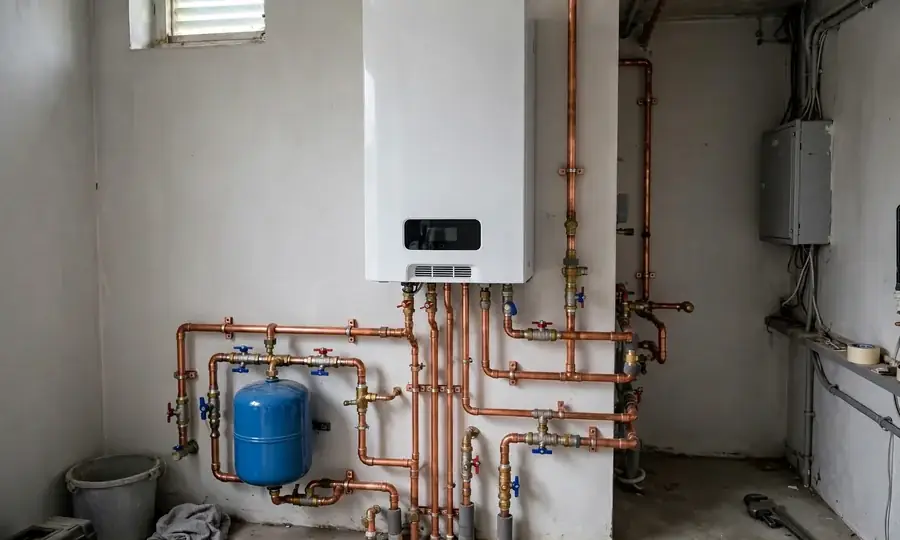
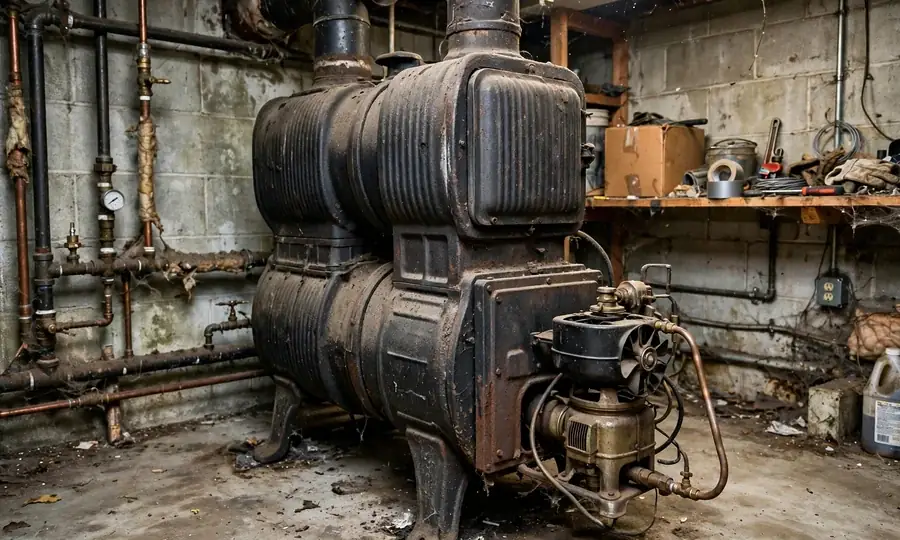
Before the symptom, the fuel. A gas atmospheric unit with ignition trouble, an oil burner starving at the nozzle, and a one-pipe steam system with failed air vents are three different jobs with three different toolkits, and Trenton has all three. The city is gas-heated — about six percent oil — so the triage leans gas, but the oil and steam minority in the oldest rowhouse blocks is real and needs its own fault tree. The Trenton heating guide maps the housing behind the fuels if you want the background.

What to have ready: which fuel, whether the unit is hot-water or steam, and roughly how old it is. A photo of the data plate answers all three. From there the triage routes to the right depth — the gas boiler repair page for ignition and flame-sensing work, the oil boiler repair page for burner and fuel-supply service — instead of a generic visit.

Boiler Repair in Trenton, NJ

Tight basements: the access half of the job

Rowhouse stairs change the visit.

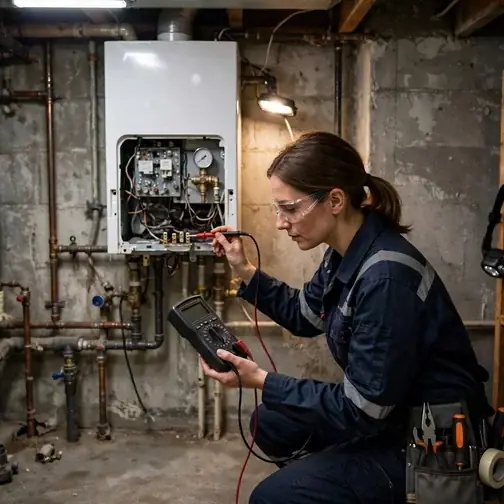
Photograph of a technician diagnosing a home boiler with a multimeter in a basement

Chambersburg and Mill Hill boilers live in basements built for coal: low ceilings, narrow stairs with a turn, stone walls, and equipment that went in decades ago and has not moved since. Diagnosis still happens the same way — but the technician needs to know the access situation before arriving, because tight quarters change which tools come down the stairs and how long the visit takes.

Help the visit start on time: clear the stair path and the space around the unit, photograph the data plate and the pressure gauge (12–15 psi cold is healthy for hot-water systems), and write down the symptom sequence — what it does, when it started, what you have tried. Mention parking too; rowhouse blocks run tight, and a heads-up about access is worth more than any part the van carries.

Boiler Repair in Trenton, NJ

River dampness and what it does to parts

Trenton's quietest fault pattern.

The Delaware keeps Trenton's winters damp, and damp air shortens ignition components: flame rods pit, hot-surface igniters crack, and control boards corrode. The signature is the intermittent lockout — fine for days, then a fault on the dampest morning, cleared by a reset, back again next week. Masking it with resets lets the real fault worsen; testing the ignition chain finds it.

Dampness reaches the water side too. Condensing units with externally run condensate drains freeze on January nights in the teens — the unit is fine, the drain is a block of ice, and the fault code says so if you read it. In the rowhouse blocks, freeze-thaw cycles work on outdoor venting and exposed piping. When you call, tie the symptom to the weather; a fault that tracks damp mornings or cold snaps is diagnostic information, not small talk.

Boiler Repair in Trenton, NJ

The testing order on a repair visit

Fuel, flame, water, distribution — in that order.

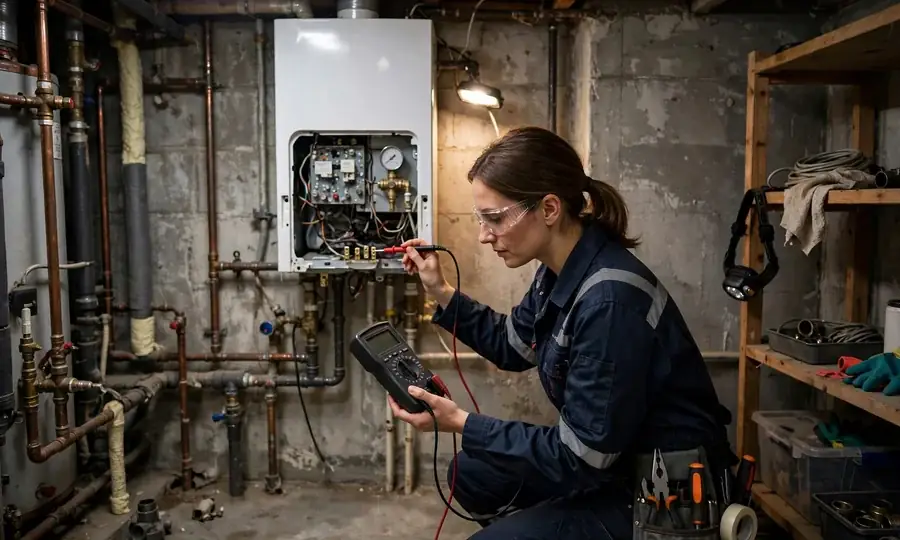
A real diagnosis moves through the system in sequence. First the fuel supply: gas pressure and valve operation, or tank level, filter condition, and nozzle state on the oil minority. Then ignition and flame: sensors, igniters, electrodes, and the flame signal itself. Then the water side: system pressure against the 12–15 psi cold baseline, expansion tank charge, auto-fill valve function, and air in the system. Finally distribution: zone valves, circulators, and radiator balance — because a cold top floor in a three-story rowhouse is usually air or a stuck valve, not a dead burner.

Expect findings explained before any work is authorized — what failed, why, and what the options are. That is the standard for a diagnosis visit, and it is what separates testing from the parts cannon.

Boiler Repair in Trenton, NJ

Trenton boiler repair services

Related services in the Trenton area.

When the house is cold right now, skip diagnosis theory and go to the emergency page — no-heat calls jump the queue around the clock. If you already know the fuel, the gas boiler page digs into the ignition and flame-sensing faults that dominate Trenton calls, while the oil boiler page covers burners, filters, and fuel-supply work for the city's oil minority. Diagnosis that finds a finished block — cracked sections, a dead burner — points to the installation and replacement page. For reference beyond Trenton, boiler leak and pressure repair and hot-water hydronic repair explain these fault families in general terms.

Frequently Asked Questions

Straight answers before you call.

01

My Mill Hill rowhouse radiators bang when the heat comes on. What is causing it?

On one-pipe steam, failed air vents or radiators that lost their pitch — steam slamming into trapped air and condensate is the classic brick-row complaint. Replacing the vents and re-pitching the radiators usually quiets the house. It is distribution-side work; the burner is innocent.

02

The atmospheric boiler in my Chambersburg basement rumbles on startup. Should I worry?

Yes — rumbling on startup usually means delayed ignition, where the gas charge lights late and burns rough. In these converted coal-era basements it also stresses old venting. It will eventually lock out or soot up. Do not ignore it; the burner and ignition need service promptly.

03

The upstairs of my Hamilton colonial is cold while the downstairs is comfortable. What fixes that?

Distribution: a stuck zone valve, air trapped in the upstairs loop, or balancing that favors the short downstairs runs. Bleed the upstairs high points first and check whether the zone valve opens on a call for heat. Report what you find when you call (888) 766-1474 — the pattern narrows it fast.

04

The pressure gauge on my sealed system reads zero. What should I do?

Top it off once to restore heat, then watch it — a sealed system that hits zero is losing water through a failed expansion tank, a weeping joint, or a faulty auto-fill valve. If the gauge falls again, stop refilling and call; repeated topping-off masks the fault while pressure swings stress every component.

05

My boiler fires for a few minutes, shuts off, then fires again. Is that normal?

No — that short-cycling wastes fuel and wears parts. In Trenton's mixed stock the causes range from oversized converted units to thermostat issues to low water flow. Note the cycle length when you call; it is one of the most useful diagnostic details you can provide.

06

There is rust on the exposed piping in my basement. Is that a problem?

Surface rust on old piping is common in Trenton's damp basements and often cosmetic — but rust at joints, valves, or the boiler jacket deserves a closer look, and any weeping is a repair item. Wipe a suspect joint and check it a day later; fresh moisture means call. Mention the damp basement on the visit so corrosion gets inspected, not just the burner.

Boiler misbehaving in Trenton?

Call (888) 766-1474 — name the fuel, describe the symptom and the basement, and get connected to a local pro for real testing.

☎   Call (888) 766-1474