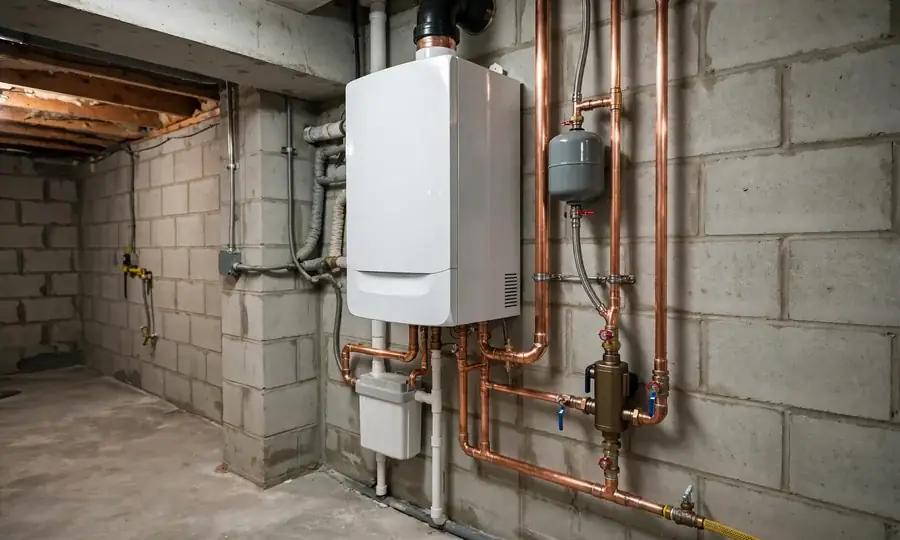
Our oil burner will not stay lit. What is the triage checking?
Nozzle, electrodes, and pump first; tank condition and fuel quality second. Lockout frequency, reset behavior, and last service date usually name the fault.
Oil burner won't stay lit, locking out, or drinking fuel in Upper Marlboro?
General inquiries: 7 AM–7 PM · Emergency calls: 24/7 · (888) 766-1474
Oil burner problems can involve fuel supply, filters, ignition components and the condition of the tank. Describe your symptoms and system when calling.
Upper Marlboro's oil heat splits between town colonials with basement tanks and rural properties with above-ground outdoor tanks — and the outdoor tanks write their own chapter. Temperature swings condense water inside the tank, water settles and corrodes from the bottom, and wind-driven cold thickens fuel flow on the worst days. An outdoor tank is a fuel system living in the weather.
The rural delivery pattern matters too. Longer routes, snow-blocked driveways, and cold snaps that spike everyone's consumption at once — run-outs here are logistics failures, and they cascade: an empty tank stirs sludge, sludge loads the filter, and the restart needs proper bleeding. The whole chain is preventable with tank awareness.
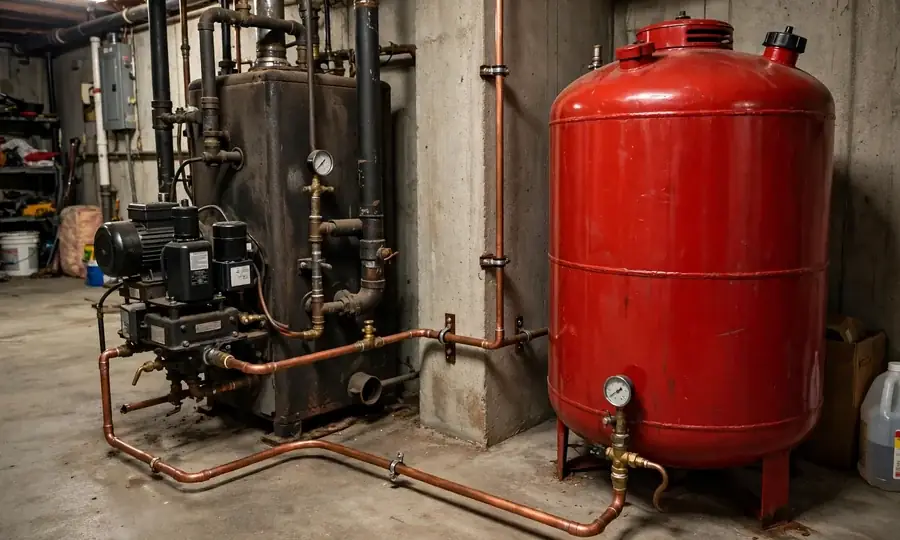
The wear items, in order.
For the full technical breakdown, see our national oil boiler repair guide.
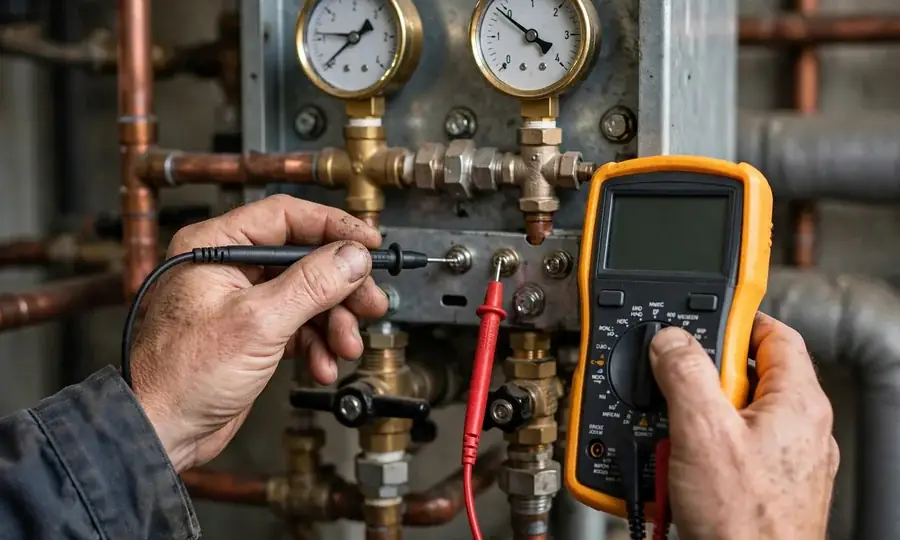
What weather does to a tank.
Walk your tank twice a year and look at the lower third: rust blooming, weeping seams, or pitting are the early warnings. Keep the tank reasonably full through winter — less air space means less condensation, and condensation is what becomes the water corroding the bottom. Keep snow and vegetation clear of the fill pipe and vent so deliveries stay easy.
Two service habits matter most: change the filter at every annual service — outdoor-tank sludge is what kills pumps and nozzles — and know your tank's age. An outdoor tank's life is shorter than a basement tank's, and "it's always been there" is not an age. If boiler and tank are both aging, replacing them together is the smarter project.
The real fuel question here.
Forget oil-to-gas: in Upper Marlboro the end-of-life fuel question is oil vs. propane. Propane burns cleaner, needs no big liquid-fuel tank, and suits properties where the oil tank is the problem. Oil keeps the existing infrastructure and burner tech the local trade knows cold. There's no universal winner — it depends on your tank situation, delivery options, and what the replacement quote actually includes.
What doesn't change: don't convert mid-life. A sound oil boiler with years left is worth maintaining — annual service, clean fuel, sound tank. Make the fuel decision once, at replacement, with real numbers in front of you.
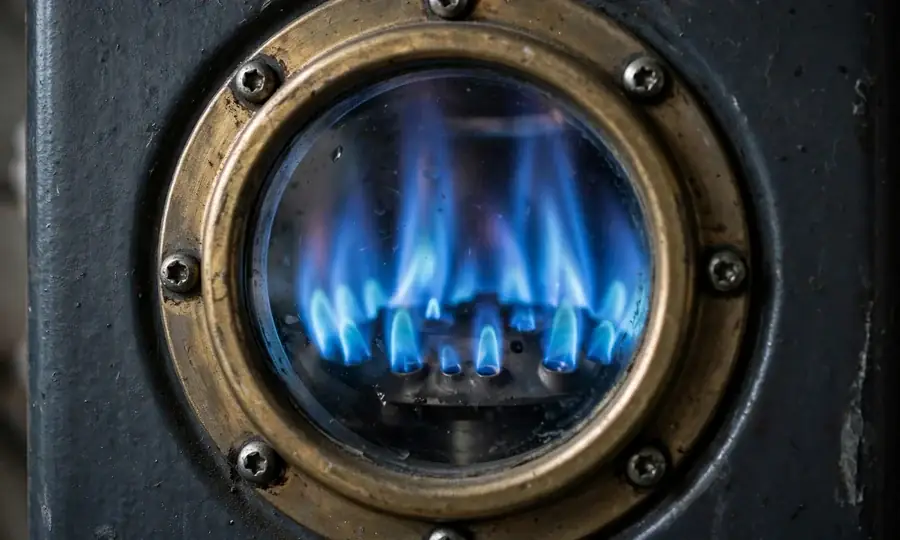
What the visit should actually accomplish.
An oil service in Upper Marlboro has to cover the fuel system, not just the burner — especially with outdoor tanks. The visit should include nozzle and filter replacement, electrode inspection and adjustment, combustion tuning verified with instruments (draft, smoke, CO2), and a look at the tank: water in the fuel, sludge load, and the condition of the lower third.
Ask the tech to check the fuel line run too — long outdoor runs are where cold-weather flow problems start, and a line that's marginal in October fails in January. Skipped service is the most common reason Upper Marlboro oil burners die in cold snaps; the wear items don't negotiate.
Straight answers before you call.
Nozzle, electrodes, and pump first; tank condition and fuel quality second. Lockout frequency, reset behavior, and last service date usually name the fault.
Weather awareness: water accumulation, cold-weather flow, and keeping it full through winter. Exposed tanks show their problems in January, not October. A fall check of the legs, fittings, and gauge catches the slow failures. Mention the outdoor placement on every winter call; it changes the first questions.
Watch the gauge like a habit and order before the tank drops low; rural routes cannot always turn on a dime in bad weather. Automatic delivery shifts the watching to the company. Tell the triage whether you are automatic or will-call; the delivery question is part of every no-heat diagnosis here.
Nozzle wear and heat-exchanger fouling are the quiet culprits, both fixed by a proper burner service. On a rural property, also check that the tank gauge itself is reading honestly before assuming the worst. A sharp jump points at a specific fault; a gradual climb points at wear. Tell the triage which pattern you see.
Planning beats reacting, especially with an exposed tank: legs, seams, and fittings tell the story, and a spill is the failure mode you are avoiding. A pro can assess it during a service visit. Mention the tank's age and placement when you call so the assessment is on the agenda.
Related services in the Upper Marlboro area.
Call (888) 766-1474 — describe the burner symptoms for fast triage.