
UPPER MARLBORO BOILER REPAIR

Boiler Diagnosis & Repair in Upper Marlboro, MD

Boiler acting up in Upper Marlboro? Uneven heat, pressure dropping, an oil burner needing resets, propane flow issues — describe the symptoms and get a proper diagnosis in PG County's oil-and-propane market.

✓ Symptom-first diagnosis✓ Oil & propane focus✓ 20772 covered

General inquiries: 7 AM–7 PM · Emergency calls: 24/7 · (888) 766-1474

Read your symptoms

The fingerprints, with local context.

  • Some rooms cold, some fine — balancing or zoning problem in the hydronic loop
  • Pressure gauge falling toward zero — system losing water: leak or failed expansion tank
  • Burner needs frequent resets — a safety tripping repeatedly; needs diagnosis
  • Weak heat in extreme cold (propane) — low tank plus deep freeze starves vaporization
  • New banging or rumbling — delayed ignition, kettling, or air in the system

For a deeper technical walkthrough of pressure behavior, see our guide to boiler pressure problems.

Pressure: the 12–15 psi rule

The number every Upper Marlboro homeowner should know.

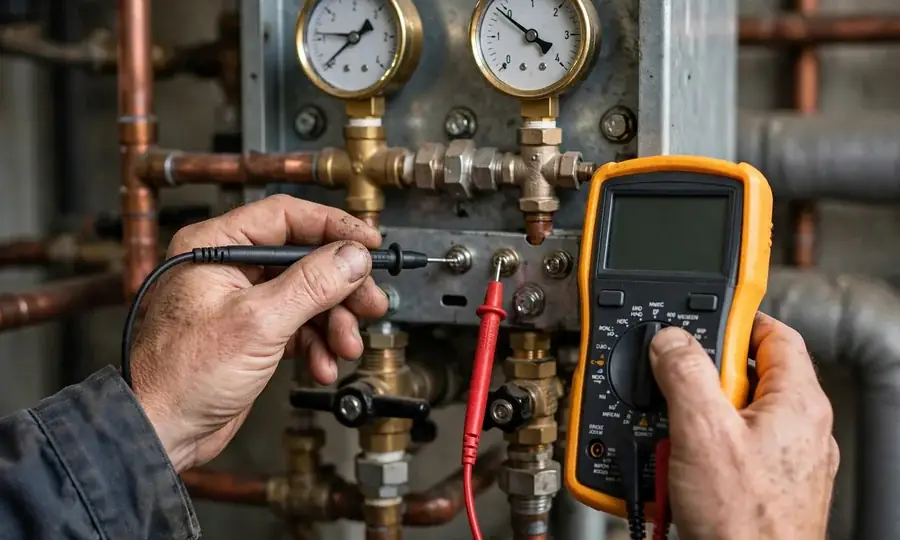
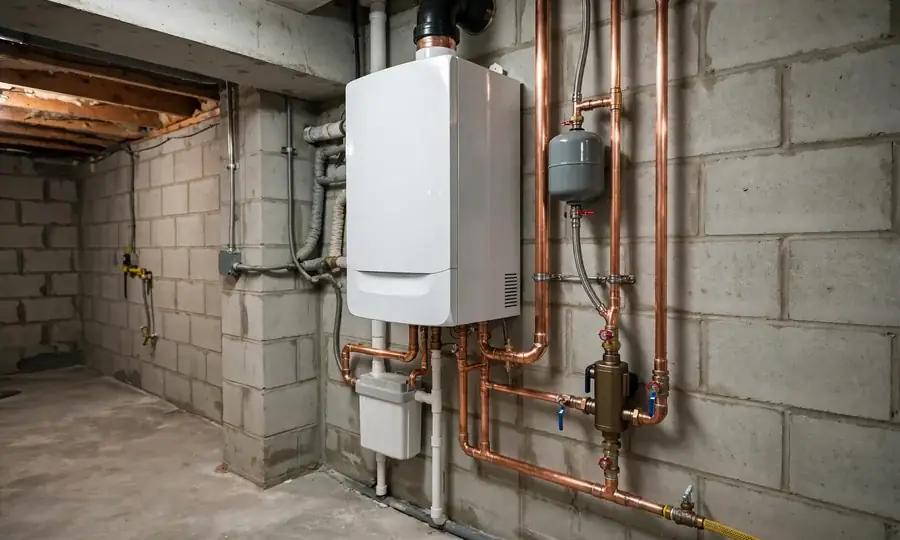
Out here the pressure gauge gets checked alongside the tank gauge — both are fuel-system readings in their own way. Hot-water boilers want 12–15 psi cold; that's the number to report on the call. Near zero after cooling means water is escaping: a weeping valve, a pinhole, or a failed expansion tank being hidden by the auto-fill valve.

That hiding is the thing to catch: an auto-fill valve constantly replacing lost water keeps the gauge looking innocent while fresh oxygen corrodes the system from inside. Rural systems run long piping loops with more joints to weep — more places for slow leaks to hide. Pegged high with the relief valve weeping means the expansion tank has failed: no room for expansion, pressure spikes every firing cycle.

Boiler Repair in Upper Marlboro, MD

Oil and propane fail differently

Know which pattern is yours.

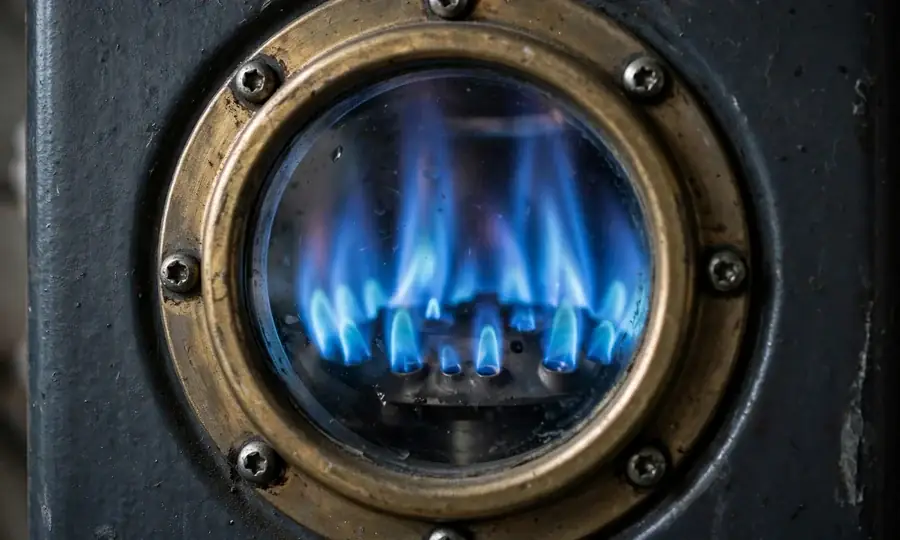
Oil diagnosis is hands-on: combustion testing, draft checks, reading the flame. Annual burner service prevents most of it.

On the propane side, failures are fuel-delivery problems as often as equipment problems: an iced regulator, an undersized tank that can't vaporize fast enough in a deep freeze, or a supply issue masquerading as a boiler fault. A propane boiler that weakens only in extreme cold is telling you about the tank and regulator, not the heat exchanger. Either way the discipline is the same: test, then replace — never the reverse.

Boiler Repair in Upper Marlboro, MD

Above-ground tanks and weather

The rural reality.

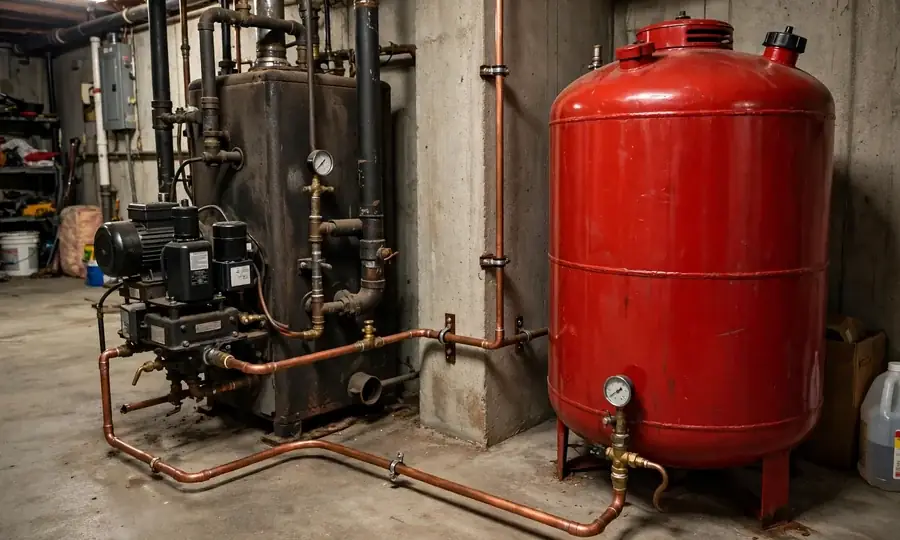
Much of Upper Marlboro's oil sits in above-ground outdoor tanks — the hardest possible life for a tank. Temperature swings condense water inside, water settles and corrodes from the bottom, and wind-driven cold thickens fuel flow on the coldest days. Inspect the tank's lower third for rust and weeping, keep the area around it clear, and keep it reasonably full through winter — less air space means less condensation.

Propane tanks have their own weather relationship: the regulator vent must stay clear of snow, ice, and debris, and the tank needs room to breathe for vaporization. Burying a regulator in a snowdrift is a no-heat call waiting for a cold night. A quick visual check after storms is cheap insurance.

Boiler Repair in Upper Marlboro, MD

Frequently Asked Questions

Straight answers before you call.

01

Our oil burner needs frequent resets. What is wearing out?

Nozzle, electrodes, and pump: the oil-burner wear set. Frequent resets mean the underlying fault is progressing, so stop resetting after the first failed attempt; repeated resets flood the chamber with unburned oil. Tell the triage the reset frequency; daily versus weekly points at different faults.
02

Our propane boiler loses heat in a cold snap. What is happening?

Usually a supply-side problem, not the boiler: an iced regulator, or vaporization falling behind demand when the tank is low and the temperature drops. Cold snaps expose marginal propane setups. Tell the triage the tank level and where the regulator sits; propane cold-snap calls start outside, not at the boiler.

03

Our system pressure keeps dropping. What should we check?

The sealed-system trio: expansion tank charge, auto-fill feed valve, and weeping joints. Note the rate of loss over days; steady decline suggests the tank or a leak, sudden drops suggest the feed valve. Frequent top-ups are worth mentioning because makeup water wears the system.

04

Our colonial heats unevenly: some rooms warm, some cold. Why?

Distribution: air in the loops, zone valves not opening fully, or a system needing balancing after changes. Uneven heat with a firing boiler is a distribution call, not a boiler call. Describe which rooms and floors are affected; the pattern routes the diagnosis.

05

We have an above-ground oil tank. Could water be getting into the fuel?

Yes, and weather exposure makes it a local pattern: condensation plus rain around fittings, and the burner tells on it with sputtering and repeated lockouts. A tech can sample and treat the tank, but the pattern has to be caught before it ruins the nozzle and filter. Mention the tank's exposure on the call.

06

The boiler is burning fuel faster than last winter. Why?

Burner wear and a fouled heat exchanger creep up quietly and are fixed by proper service; on propane, a regulator or supply issue can also waste fuel. A sharp jump rather than a gradual climb points at a specific fault. Tell the triage which pattern you are seeing.

Boiler acting up in Upper Marlboro?

Call (888) 766-1474 — describe the symptoms for a proper diagnosis.

☎   Call (888) 766-1474