
WORCESTER INSTALLATION

Boiler Installation and Replacement in Worcester, MA

Replacing a boiler in Worcester? Triple-deckers need proper multi-zone sizing — not the old nameplate. Gas or oil, the assessment starts with the building. Call to discuss your situation.

✓ Triple-decker sizing✓ Multi-zone design✓ Gas and oil options

General inquiries: 7 AM–7 PM · Emergency calls: 24/7 · (888) 766-1474

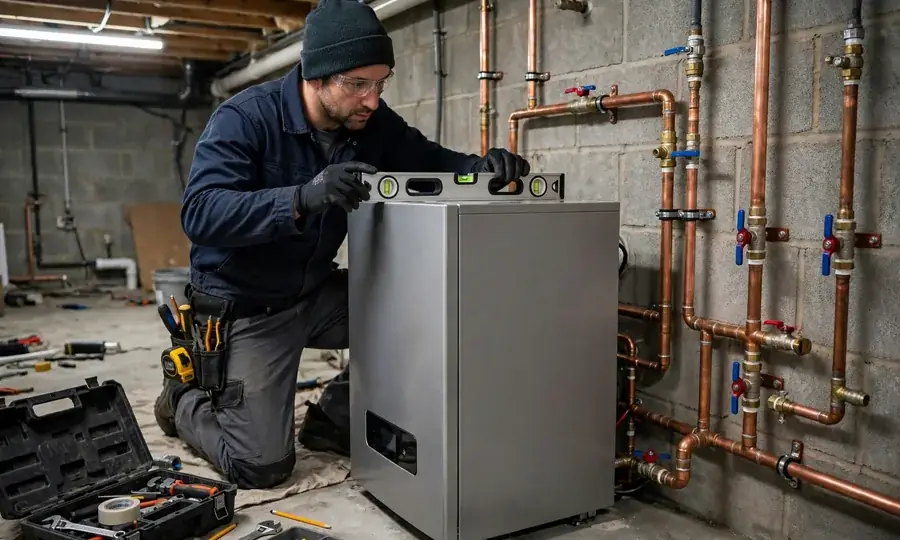
Technician leveling a new boiler during installation

Mass Save and rebates

Check before you buy.

Massachusetts runs Mass Save, a statewide energy-efficiency program that has historically offered rebates for high-efficiency heating equipment — including boiler replacements that meet efficiency thresholds. Offerings change by year and utility territory, so check current Mass Save incentives before you buy, not after.

Two rules: the equipment must meet the program's efficiency minimums (your installer will know the current thresholds), and pre-approval may be required — rebates applied for after installation can be denied. Ask your installer about Mass Save on the first visit, not the last.

Installation in Worcester, MA

Sizing for triple-deckers

The Worcester specialty.

The most common Worcester installation mistake is copying the old nameplate. Those century-old boilers were sized for drafty windows and no insulation — most are 2–3× oversized for the building as it stands today. Proper sizing means a heat-loss calculation for the actual building, room by room, floor by floor.

Oversizing in a triple-decker causes short cycling (efficiency dies, parts wear fast) and worsens the floor-to-floor imbalance that already plagues these buildings. Right-sizing plus proper zoning is the fix for both.

Installation in Worcester, MA

Gas or oil in Worcester?

Usually decided by the street.

Oil homes stay oil unless a gas main is genuinely available at the property line, because conversion costs (service line, venting, chimney work) rarely pay back where oil infrastructure already exists.

Either way, demand: heat-loss sizing, near-boiler repiping to spec, zone controls with outdoor reset, and startup tuning verified with instruments. See our national installation guide.

Installation in Worcester, MA

What to ask any installer

Five questions.

  • "How did you size it?" — heat-loss calculation, not the nameplate
  • "How will the three floors balance?" — zoning and flow design
  • "What happens to the near-boiler piping and controls?"
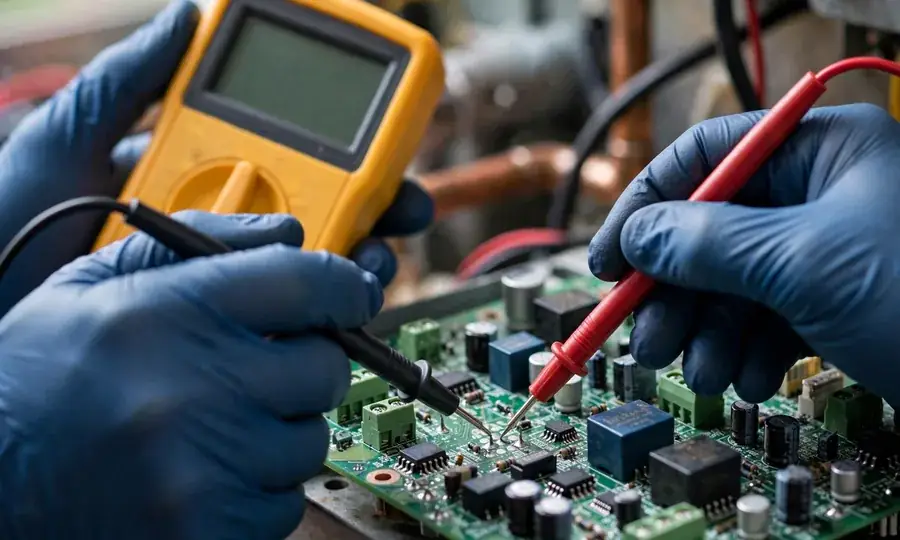
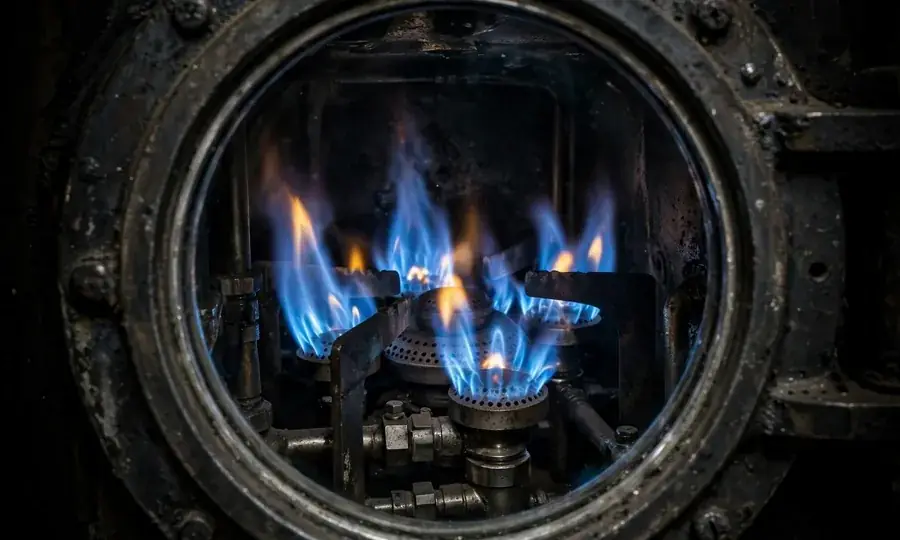
  • "How is combustion verified at startup?"
  • "What is the day-by-day plan?" — when heat returns

Fuel conversion in the oil pockets

When oil-to-gas pencils out.

It requires a service line from the street, a meter set, and venting changes — the conversion premium is real, and like-for-like oil replacement usually wins on installed cost. Where the main does not reach — Leicester, Paxton, the Greendale fringes — conversion is not on the table at any reasonable price.

The honest math compares total installed cost on both sides, not equipment price: conversion adds trenching, piping, venting, and sometimes chimney work. A modern oil boiler with annual service remains an efficient, reliable answer where gas is not practical. Discuss your street's situation on the call — and if gas is the plan, gas boiler repair in Worcester covers what those systems look like long-term.

Installation in Worcester, MA

Near-boiler piping: what "to spec" means

The boiler is half the job.

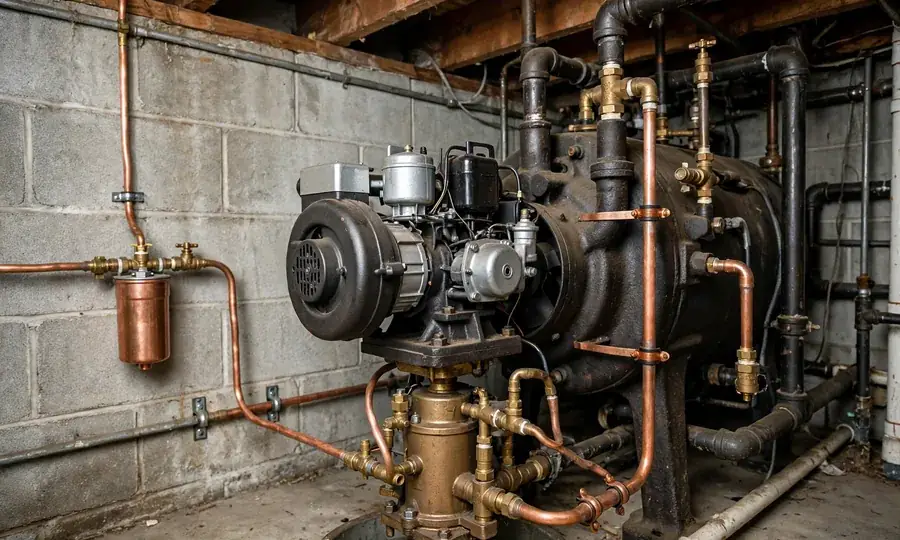
A replacement quote that swaps the block and reuses everything else is incomplete. Near-boiler piping — the first several feet of supply and return, the circulator, air elimination, and the expansion tank — determines whether the new boiler actually delivers its rated efficiency. Old piping with modern boilers is a classic mismatch: wrong pipe diameters, air trapped in high spots, a tired expansion tank the installer "left because it was working."

Demand in writing: near-boiler repiping to the manufacturer's spec, a new circulator sized to the system, a proper air separator, and combustion verified with instruments at startup — not eyeballed. The cheapest quote usually achieves its price right here, in the piping nobody photographs.

Installation in Worcester, MA

Frequently Asked Questions

Straight answers before you call.

01

My triple-decker's boiler is 32 years old and failed twice last winter. Replace?

Two failures in one winter on a 32-year-old unit serving three households is the classic replacement signal — the breakdowns will keep coming, and each one risks a no-heat stretch across multiple units plus a heat-code headache. The honest test is the pattern: isolated fault means repair; systemic failure means replace. Bring the repair history to the call.

02

What size boiler does a Worcester triple-decker actually need?

Whatever a heat-loss calculation says for your building — most triple-deckers are heated by wildly oversized units sized by rule of thumb a century ago. Oversizing wastes fuel and short-cycles equipment to an early grave. Any replacement quote that skips the heat-loss math is a quote to decline.

03

Can I convert my Worcester oil boiler to gas during replacement?

Then the chimney, the piping, and the abandoned tank. The gas-or-oil math is done once and lived with for decades.

04

Will a new boiler work with my triple-decker's old radiators?

Almost always yes — radiators outlast several boilers, and new units are routinely piped to existing radiator systems across three floors. The efficiency gains live in the near-boiler piping and the controls. Tell the tech how many floors and radiators the system feeds so the sizing reflects the real load.

05

How long will my tenants be without heat during a triple-decker replacement?

Shorter than most owners expect — the swap runs over a compact window, and the planning (sizing, venting, fuel decision) takes longer than the wrench work. Heat is typically restored the same stretch. Ask about the schedule on the call so three households get a straight answer.

Planning a replacement in Worcester?

Call (888) 766-1474 — start with a proper heat-loss assessment.

☎   Call (888) 766-1474