WORCESTER GAS SERVICE

Gas Boiler Repair in Worcester, MA

Gas boiler will not fire or keeps locking out in Worcester? Describe the fault code or the pattern — the triage reads it like a fingerprint.

✓ Ignition and flame faults✓ Ask about fuel-specific repairs✓ 24/7 emergency telephone line

General inquiries: 7 AM–7 PM · Emergency calls: 24/7 · (888) 766-1474

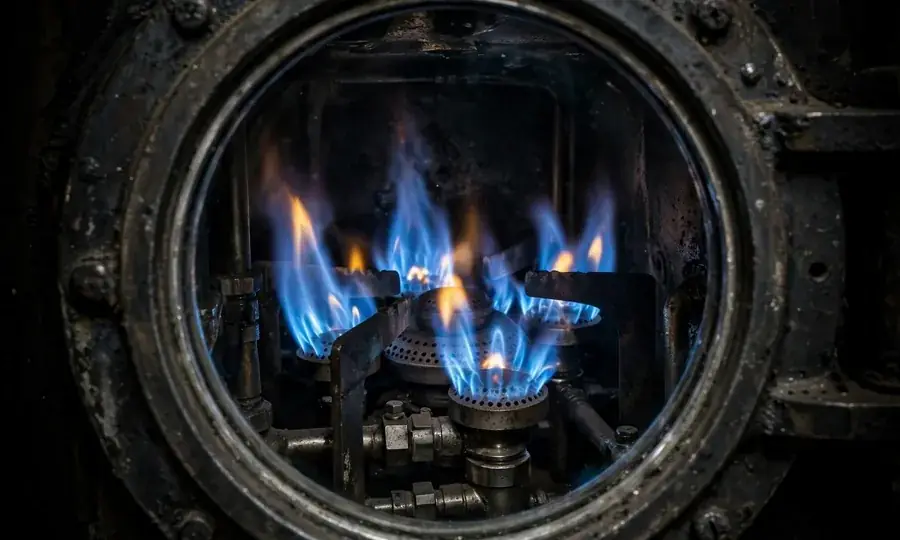
Blue gas burner flames through a sight glass

Carbon monoxide and aging gas units

The invisible risk.

Aging gas boilers can produce carbon monoxide when combustion goes wrong — cracked heat exchangers, blocked flues, or badly adjusted burners. CO is colorless and odorless; the symptoms (headache, dizziness, nausea) mimic the flu.

Every home with a gas boiler needs working CO detectors on each floor. If one alarms: get everyone out, call 911, do not re-enter. And soot around the boiler — black marks near the casing or flue — is a visual warning that combustion is incomplete. Shut down and call.

Gas Boiler Repair in Worcester, MA

Gas in Worcester context

The majority fuel.

The installed base spans older atmospheric units in the triple-deckers to newer condensing boilers in renovated properties, so the fault map covers everything from thermocouples to flame sensors.

The safety rule is universal: smell gas, leave the building, call the utility or 911 from outside. Never investigate a gas smell yourself.

Gas Boiler Repair in Worcester, MA

Read your symptoms

The triple-decker edition.

  • Ignition lockout, all three floors cold — boiler-level fault; note the exact error code
  • Fires briefly, then drops the flame — flame sensor or ignition assembly on 90s electronic-ignition units
  • Top floor cold, lower floors fine — zone or balancing issue, not the gas train
  • Soot on the casing in a basement utility room — incomplete combustion; shut it down and call
  • Dead on a January morning — frozen condensate drain on condensing units
  • Pilot-era unit keeps going out — thermocouple or pilot assembly in the aging Main South and Quinsigamond Village stock

Worcester's fault map is ignition-first: three decades of atmospheric units in the triple-deckers plus newer condensing retrofits. Related information: national gas boiler repair guide; oil boiler repair in Worcester.

Ignition faults in triple-deckers

Three floors multiply every fault.

In a triple-decker, an ignition lockout is not one cold household — it is three. Worcester's older atmospheric gas units, common in Main South and Quinsigamond Village, tend to fail at the ignition train first: thermocouples on pilot-era units, hot-surface igniters and flame sensors on 1990s electronic-ignition models. The pattern matters more than the part: a boiler that locks out every third cycle has a different fault than one that fires fine until January.

Multi-unit buildings also surface faults that single-family homes hide — a draft problem in a shared basement utility room, or a burner starving because a tenant's dryer is backdrafting the flue. When you call, describe the pattern and the error code exactly as it appears. If the whole building has no heat, say so upfront: multi-unit no-heat gets emergency boiler repair in Worcester triage, 24/7.

Gas Boiler Repair in Worcester, MA

Soot, flame color, and CO basics

What the boiler is telling you.

A healthy gas flame burns blue and steady. Yellow, lazy flames — or black soot marks on the boiler casing or around the flue — mean incomplete combustion, which can produce carbon monoxide. CO is colorless and odorless; the early symptoms (headache, dizziness, nausea) mimic the flu, which is why detectors, not your nose, are the warning system.

In triple-deckers, detector placement matters: one on each floor with bedrooms, plus one near the boiler room, tested monthly. A sooting boiler should be shut down and left off until it is checked — soot never "clears up on its own." Report soot or flame-color changes on the call; they move a job to the front of the line.

Gas Boiler Repair in Worcester, MA

Frequently Asked Questions

Straight answers before you call.

01

My gas boiler in Worcester fires for seconds then dies. What is wrong?

The classic flame-sensing failure — the burner lights, the control cannot prove flame, and it shuts down for safety. It will not fix itself, and repeated failed starts wear the ignition parts faster, so call before it locks out for good.

02

Lockout code on my Main South gas boiler — reset it myself?

One reset is fine — power down, wait a minute, restart. If it locks out again, stop and call with the code; it is a clue for the tech, not a repair. On older triple-decker gas units, ignition parts are the usual culprits, not the whole boiler.

03

My gas bill in Greendale jumped this winter but the heat feels the same. Boiler issue?

Often yes — a boiler drifting out of adjustment burns more fuel for the same heat, and scale or soot on the heat exchanger steals efficiency quietly. Compare against the same month last year, then describe the jump on the call. A combustion check usually finds the culprit.

04

The pressure gauge on my Worcester gas boiler drops steadily. Keep adding water?

No — steady pressure loss means a leak or a failed expansion tank, and every top-up adds fresh oxygen that corrodes the system from the inside. Note how fast the gauge falls; that is the first thing triage asks. The auto-fill and relief valves are the usual suspects.

05

Should my 30-year-old Worcester gas boiler become a condensing unit?

Often yes if the distribution runs low return-water temperatures — but on a triple-decker's older high-temperature radiators, a conventional boiler can be the smarter fit, and the condensate drain needs freeze-proof routing. The answer comes from your piping, not the brochure. Bring the system's age and the radiator count to the replacement conversation.

Gas boiler trouble in Worcester?

Call (888) 766-1474 — describe the fault code for fast triage.

☎   Call (888) 766-1474