WORCESTER OIL SERVICE

Oil Boiler Repair in Worcester, MA

Oil burner trouble in Worcester? Burner lockouts, tank issues, deferred maintenance: call to describe the symptoms.

✓ Confirm coverage by ZIP✓ Burner rebuilds✓ Describe your boiler symptoms

General inquiries: 7 AM–7 PM · Emergency calls: 24/7 · (888) 766-1474

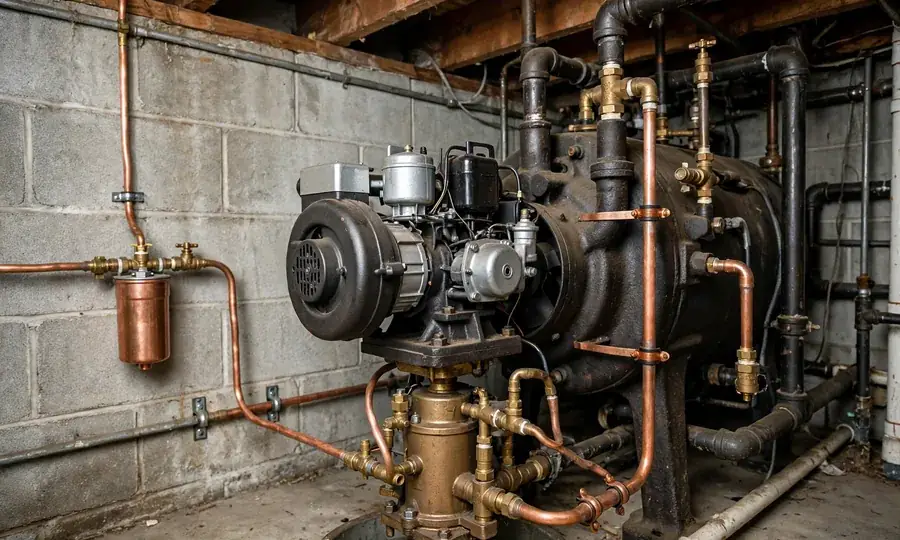
Oil burner with fuel pump and copper oil line

Delivery timing and run-outs

The oil-pocket calendar.

In Worcester's oil pockets, run-outs — the tank hitting empty — are a top cause of "mystery" lockouts. Cold snaps spike consumption; a tank that lasts three weeks in November lasts ten days in January. After a run-out, the burner sucks sludge and air from the tank bottom, which clogs the nozzle and filter even after delivery.

Automatic delivery (the dealer tracks degree-days and fills on schedule) prevents nearly all run-outs. Will-call customers should check the gauge weekly in winter and order at a quarter tank — not an eighth. Out on the edges — Leicester, Paxton, the Greendale fringes — delivery routes run longer and cold snaps hit harder, so order earlier than the gauge suggests.

Oil Boiler Repair in Worcester, MA

Where Worcester oil lives

Oil burner problems can involve fuel supply, filters, ignition components and the condition of the tank. Describe your symptoms and system when calling.

Oil in Worcester is a neighborhood story. The dense core went gas decades ago; oil survived in older homes on the outskirts — Tatnuck, parts of Greendale, the Burncoat edges — and in the surrounding towns like Leicester and Paxton where mains never reached. These are often the oldest systems in the city: cast-iron workhorses with burners that have seen decades of uneven maintenance.

The triage always asks service history and tank age, because in the oil pockets both are usually the story.

Oil Boiler Repair in Worcester, MA

Read your symptoms

The outskirts edition.

  • Lockout after a run-out — nozzle and filter fouled by tank-bottom sludge even after delivery
  • Smoke puff on startup in a cold basement — delayed ignition on a worn burner
  • Gauge reads low but the burner starves early — stuck gauge, or water and sludge at the pickup
  • Filters clogging monthly — tank rust and sludge; the tank is the problem, not the filter
  • Strong oil smell near the tank — leak at filter, fittings, or tank seams; ventilate and call promptly
  • Only acts up on the coldest mornings — fuel atomization suffering; check tank level and exposure

Worcester oil is a neighborhood story: cast-iron workhorses on the outskirts, often decades between services. For the component-level detail, see our national oil boiler repair guide.

Tank replacement signals

When the tank is done.

Watch for: weeping or damp spots on the tank bottom, strong fuel odor near the tank, rapid filter clogging, or a tank over 30 years old with unknown history. A failing tank is not a patch job — replacement is the answer, and it is straightforward work when planned rather than emergency work when it lets go.

Nozzle and electrode wear: the annual-service math

Oil burners have consumables. Gas doesn't, quite.

An oil burner wears parts every year: the nozzle (which meters and atomizes fuel), the electrodes (which spark it), the fuel filter, and the cad cell that proves flame. Annual service replaces the consumables before they fail. Worcester's oil pockets — where systems in Tatnuck, the Greendale edges, and Leicester ran a decade or more between services — show what happens without it: stacked faults, where a worn nozzle, a loaded filter, and eroded electrodes fail together on the coldest night.

A proper catch-up service is not a filter swap. It is a full teardown of the burner: nozzle, filter, electrodes gapped to spec, pump strainer, and a combustion test with instruments afterward. If your oil boiler has not been serviced in years, say so on the call — it changes the diagnostic path. The warning signs are covered in our signs your boiler may need repair guide.

Oil Boiler Repair in Worcester, MA

Cold snaps and fuel behavior

January changes the oil.

Heating oil thickens as it gets cold. In a warm basement the difference is negligible; in an exposed above-ground tank or an unheated outbuilding, cold oil atomizes poorly, ignition delays, and the burner can soot or lock out. The fix is partly fuel management: keep the tank reasonably full going into January — a full tank resists temperature swings and keeps sludge off the pickup — and never let a will-call tank ride into a cold snap near empty.

This is where delivery timing bites hardest: a tank that lasts three weeks in November lasts ten days in a January cold snap. If your burner acts up only on the coldest mornings, describe that timing on the call; it points the triage at fuel and atomization, not controls.

Oil Boiler Repair in Worcester, MA

Frequently Asked Questions

Straight answers before you call.

01

My oil burner in the outskirts of Worcester locked out overnight. Reset it?

Press reset exactly once — if it fires and holds, watch it; if it locks out again, stop and call. Repeated resets flood the chamber with unburned oil. In Worcester's oil pockets the usual causes are a dirty nozzle, worn electrodes, or a clogged filter — routine fixes once a tech is on site.

02

How low should I let my Worcester oil tank go in winter?

Cold snaps burn faster than the gauge suggests. If the burner has already stopped, say so on the call; it changes the triage.

03

There is an oil smell in my older Worcester home's basement. Normal?

A faint smell right after delivery fades; a persistent or growing odor means a weeping fitting, a tank seam starting to go, or a drip at the filter. Check for wet spots under the tank and along the fuel line. Mention the smell on the call; oil odors get a prompt visit because small leaks become big ones.

04

My Worcester oil boiler soots up every winter. What is the root cause?

Recurring soot means the burner never holds its adjustment — wrong nozzle, poor draft, or a heat exchanger that has not been properly cleaned in years. Soot is wasted fuel and a warning sign. Annual burner service with a combustion check, every fall without fail, breaks the cycle.

05

The gauge says a quarter tank but my burner died in Burncoat. How?

Stuck gauges and corroded float arms are common on older tanks — the dial is an estimate, not a measurement. A tech can verify the real level with a dipstick and replace the gauge. Until then, track deliveries against your burn rate rather than trusting the needle.

Oil burner trouble in Worcester?

Call (888) 766-1474 — describe the symptoms for oil-specific triage.

☎   Call (888) 766-1474