Is oil heat common in Lynn?
Check for a gas meter; oil homes will not have one.
Oil burner trouble in Lynn? Burner wear, tanks, deferred maintenance: call to describe the symptoms.
General inquiries: 7 AM–7 PM · Emergency calls: 24/7 · (888) 766-1474
Make it smooth.
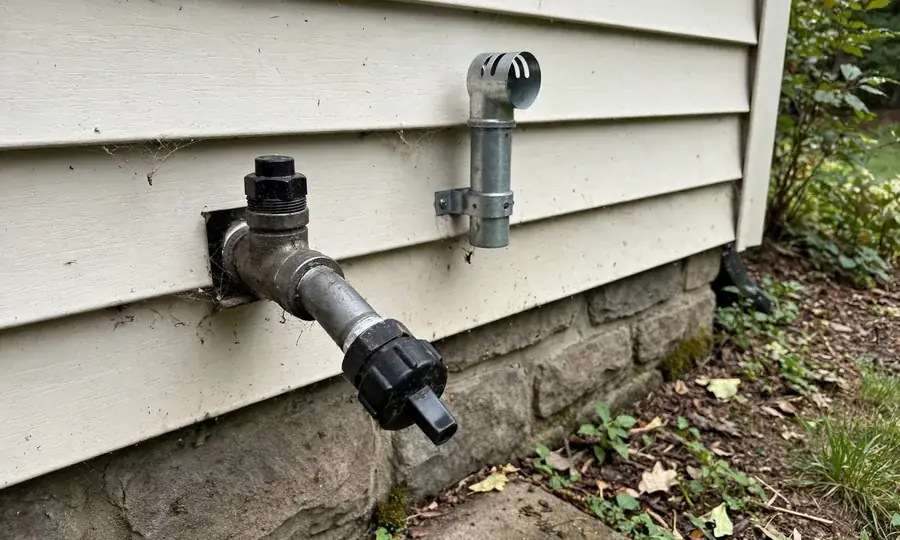
Before delivery: clear the path to the fill pipe, note the gauge reading, ensure the driver can access (unlocked gates, moved cars). During: you do not need to hover, but be reachable. After: check the gauge, and do not run the burner hard immediately — delivery stirs tank sediment; give it an hour to settle, and expect the filter to work harder for a day.
Missed delivery (locked gate, blocked access) in January is a run-out risk. Make access easy; it is the cheapest part of oil heat.
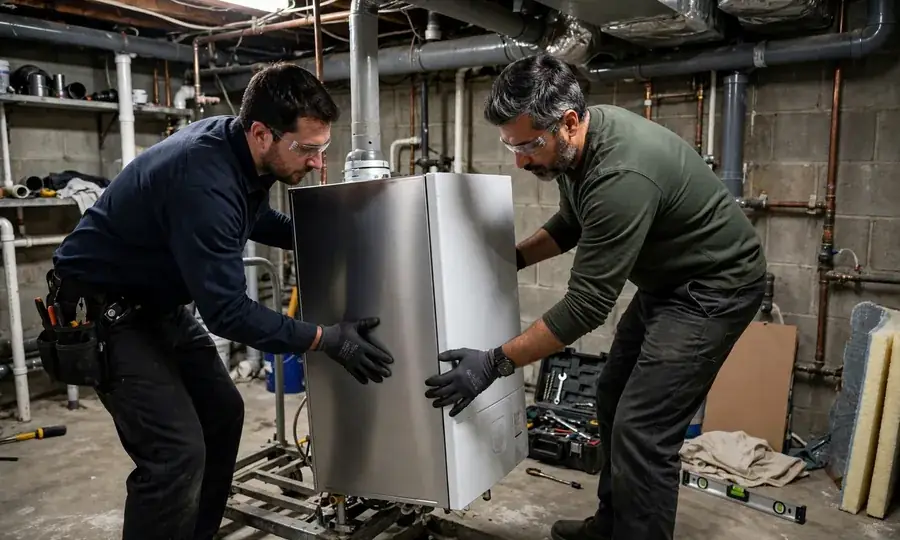
Oil burner problems can involve fuel supply, filters, ignition components and the condition of the tank. Describe your symptoms and system when calling.
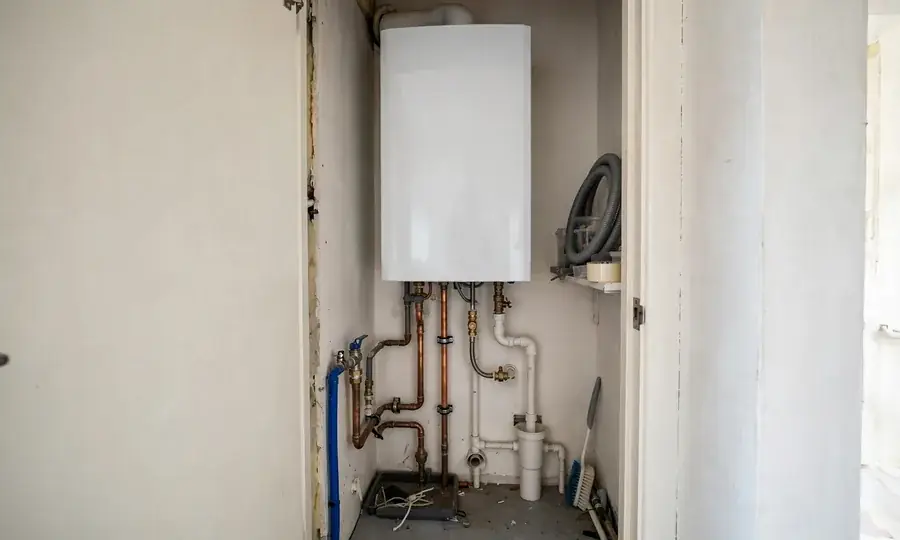
Oil in Lynn lives in older homes and the outskirts — streets where gas arrived late or never. These are typically colonials and multis with original oil boilers, 25 to 40 years old, with long service gaps and aging tanks.
The triage always asks service history and tank age first — the answers usually write the diagnosis.
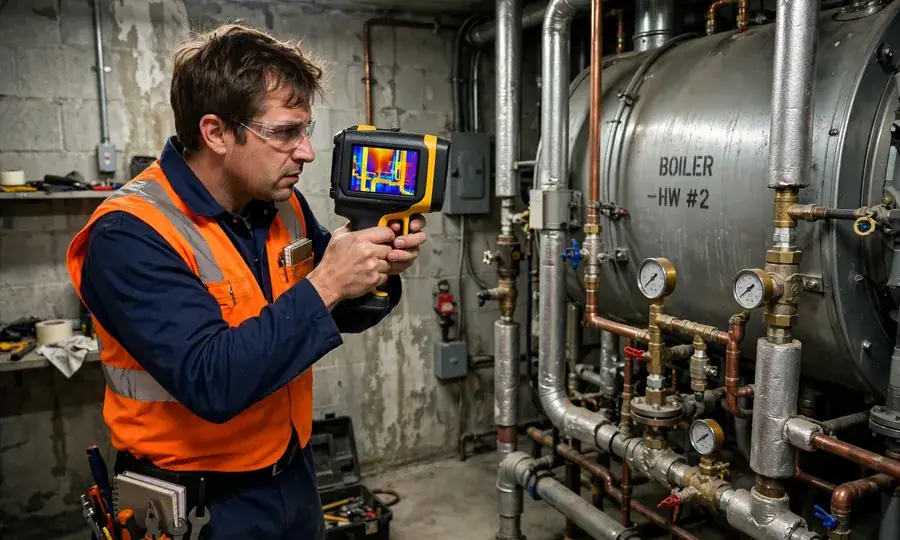
Coastal oil, decoded.
Lynn’s oil lives in older homes and the outskirts — streets where gas arrived late or never. For the full burner-component breakdown, see our national oil boiler repair guide.
Plus the coastal inspection.
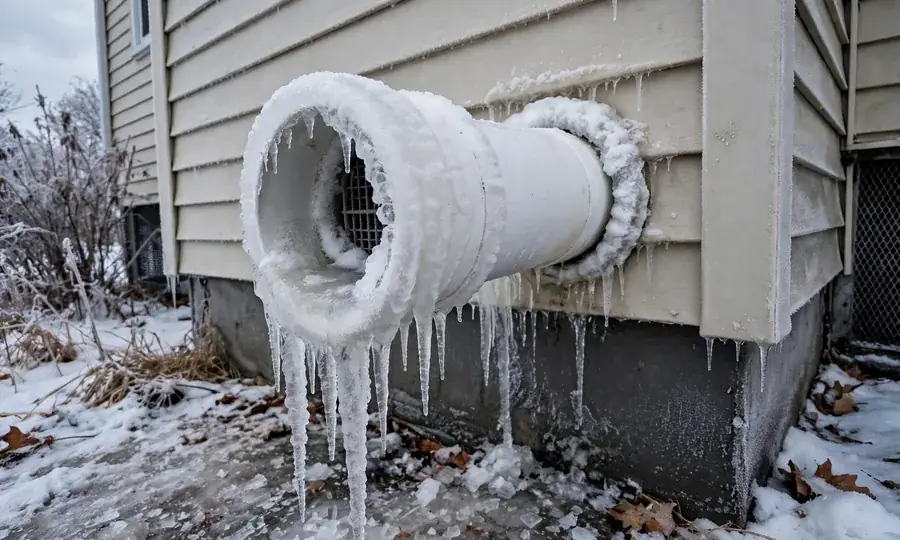
Watch for weeping or damp spots on the bottom seams, fuel odor that was not there last year, filters clogging faster each month, or a tank past 30 with unknown history. Lynn adds a coastal inspection: fill pipes and caps corrode first in salt air — a corroded fill cap lets rainwater straight into the tank, and water in the tank becomes sludge, starvation, and lockouts. Check the cap and fill pipe every fall; they are cheap parts protecting an expensive problem. A failing tank is never a patch job — planned replacement beats emergency replacement, every time.
Water is the enemy that follows.
The coast attacks oil systems at the metal: fill pipes and caps pit and corrode, outdoor tank fittings rust, vent terminations crust over. Water is the enemy that follows — through a corroded cap, condensation in a half-empty tank, rain finding the fill. Water in the tank feeds microbial growth, and microbial growth becomes the sludge that clogs filters and fouls nozzles. The defense is boring: an intact fill cap, a tank kept reasonably full through winter (less air space, less condensation), annual service with the filter changed and the tank glanced at. Coastal oil heat is fine heat — it just needs its metal watched.
The gauge is your job.
An eighth of a tank is a run-out waiting for a slot, and a run-out stirs the tank bottom: after delivery, the burner needs attention even with a full tank, because sludge and air have clogged the nozzle and filter. Tell triage it was a run-out; it changes the diagnosis and the fix sequence.
Straight answers before you call.
Check for a gas meter; oil homes will not have one.
Yes — a corroded cap lets rainwater into the tank, and water in oil causes burner starvation and tank-bottom corrosion. Replace the cap; it is cheap insurance.
Yes, proactively. Tanks over 30 rust from the inside; weeping, odor, or chronic filter clogging are replacement signals.
Not necessarily — but ensure access (gates unlocked, path clear) and be reachable by phone. Missed deliveries in winter are how run-outs happen.
Delivery stirs sediment from the tank bottom. It usually settles within hours; if problems persist past a day, the filter may need changing — call.
Related services in the Lynn area.
Call (888) 766-1474 — describe the symptoms for oil-specific triage.