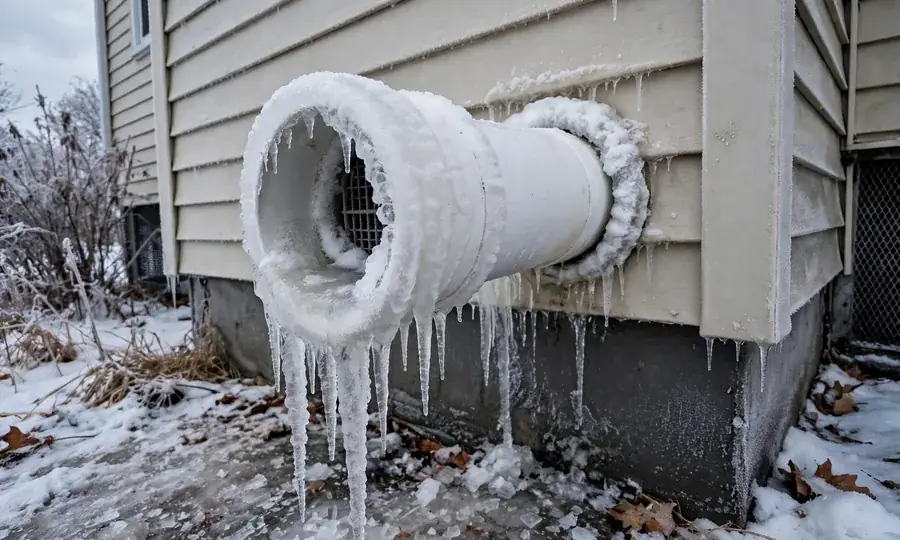
My boiler only locks out when it is windy. Why?
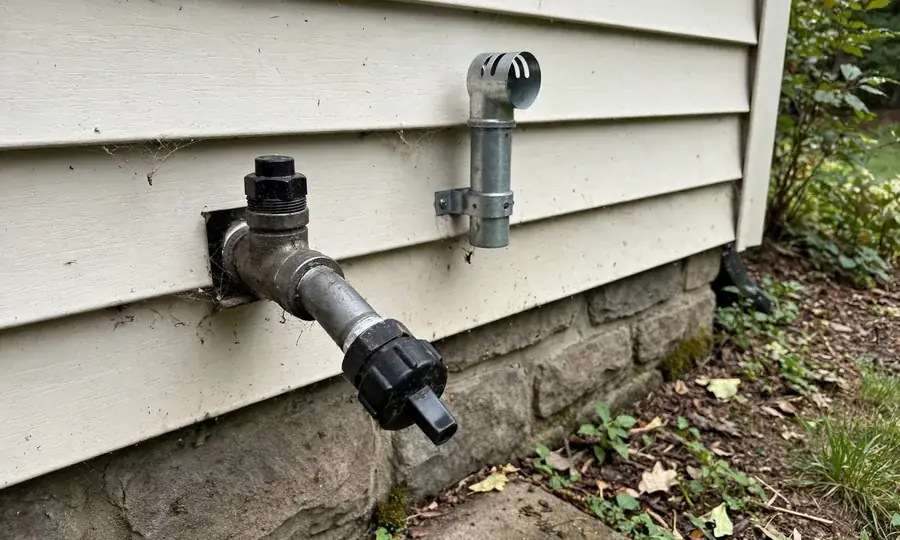
Coastal wind pressure on the flue trips the pressure switch — common on the North Shore. The vent termination may need a wind-resistant design.
Gas boiler will not fire or keeps locking out in Lynn? Describe the fault code for fast triage.
General inquiries: 7 AM–7 PM · Emergency calls: 24/7 · (888) 766-1474
Lynn's tight mechanicals.
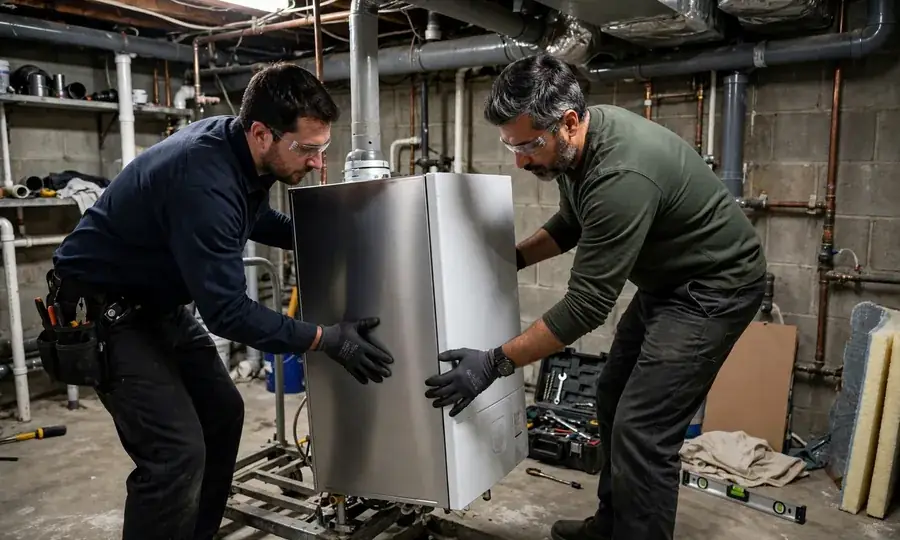
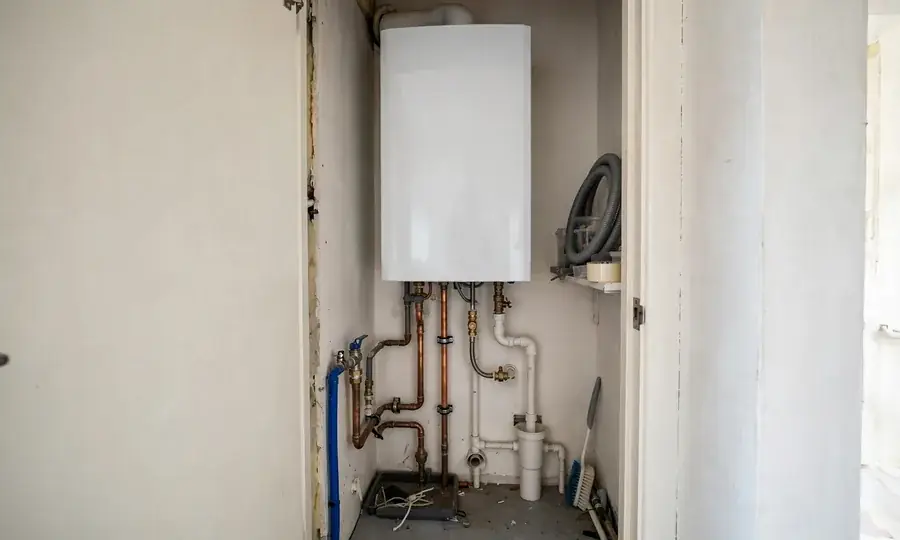
Lynn's dense housing means tight mechanical spaces: wall-hung boilers in closets, units shoehorned into corners, piping threaded through finished walls. Tight is fine if installed to clearances — but it makes service harder and overheating more likely.
Rules for tight spaces: never store anything against or above the boiler, keep combustion air paths clear, and ensure the tech can actually reach the service panels (clearance is a code requirement, not a courtesy). If your boiler is buried behind storage, the first service step is excavation — yours, before the tech arrives.
The majority, coastal.
The installed base mixes older atmospheric units in multis with wall-hung and condensing units in tighter spaces. Coastal complications: salt-air corrosion on terminals and wind-driven pressure trips in nor'easters.
Safety first: smell gas, leave the building, call the utility or 911 from outside.
The fingerprints.
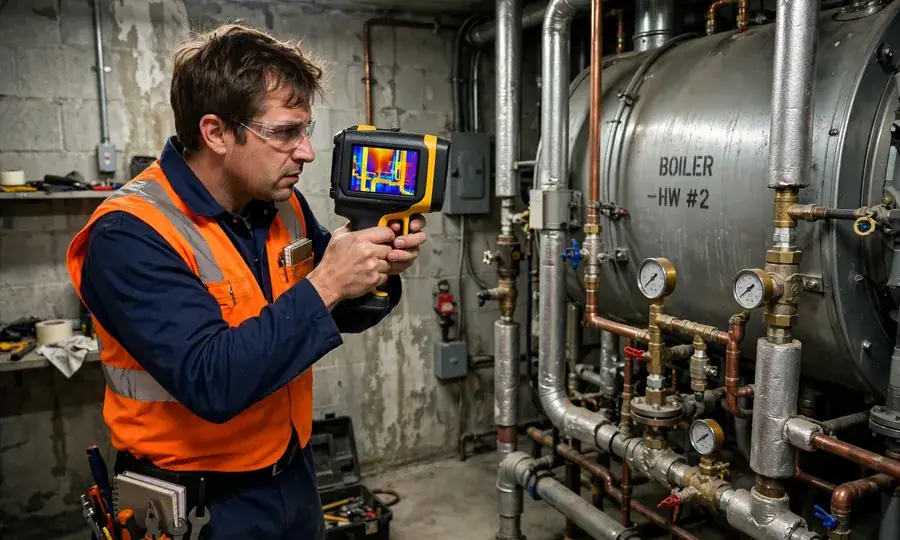
For the full technical breakdown, see our national gas boiler repair guide. (On oil — the Lynn minority — see oil boiler repair in Lynn.)
The coast adds failure modes.
Flame sensors film over faster in salt air; pressure switches trip in nor’easter gusts (lockouts only in windstorms are the tell); condensate drains freeze on the coldest mornings. The ignition chain is the same — call for heat, igniter lights, flame sensor proves, gas valve opens — but the tech checks the coastal links first: vent termination condition, condensate routing, wind exposure. The homeowner rule stands: never bypass safeties, never adjust the gas valve, never relight repeatedly.
The coastal wrinkle.
Gas combustion makes carbon monoxide; complete combustion and sound venting keep it outside. Lynn’s coastal wrinkle: corroded or wind-damaged vent terminals can spill exhaust where it does not belong — which is why the monthly vent look matters. CO detectors on every level, tested monthly and replaced on schedule; never block vents or combustion-air paths; treat yellow flames, soot marks, or new exhaust odors as same-day calls. Annual service includes the combustion check that catches CO problems before detectors do. Alarm sounds: everyone out, call 911 from outside, and do not re-enter to investigate.
After any nor’easter, add the vent termination to the walkaround: wind can loosen terminals and ice can seal them, and both change combustion the next time the boiler fires. A terminal that survived the storm visibly intact still deserves the monthly look — salt air does not need a storm to keep working.
Straight answers before you call.
Coastal wind pressure on the flue trips the pressure switch — common on the North Shore. The vent termination may need a wind-resistant design.
No. Note the error code and call instead.
If installed to manufacturer clearances with proper venting and combustion air — yes. Tight spaces make service harder but are not inherently unsafe. Do not store anything against the unit.
No — keep the manufacturer's clearances on all sides, and never block combustion air. Storage against a boiler is a fire and CO risk.
If installed to manufacturer clearances with proper venting and combustion air, yes. If you are unsure, have it assessed — closets get finished around boilers without regard for clearances.
Related services in the Lynn area.
Call (888) 766-1474 — describe the fault code for fast triage.