Does salt air really damage my boiler?
It accelerates corrosion on flues, terminals, and outdoor components — noticeably faster than inland. Coastal homes should get a corrosion check with every service.
Boiler not heating right in Lynn? Dense North Shore multis with coastal wear — ignition faults, corrosion, distribution headaches. Describe the symptoms by phone for honest triage.
General inquiries: 7 AM–7 PM · Emergency calls: 24/7 · (888) 766-1474
Look before it leaks.
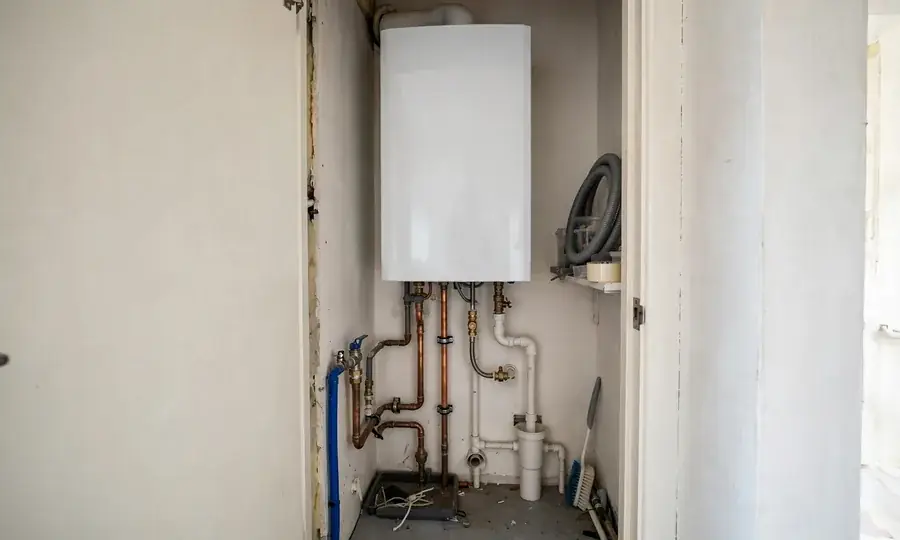
Once a month in winter, look at your boiler for 60 seconds: water under or around it, rust streaks on the block or flue, soot marks near the casing, pressure gauge holding steady, unusual smells, new noises. Sixty seconds, monthly.
You are not diagnosing — you are detecting. Every catastrophic boiler failure was a small visible problem weeks earlier. The inspection habit catches the weep before the flood, the rust before the breach, the soot before the CO.
Coast and density.
Lynn diagnosis weighs two local factors: salt air (corroding flues, terminals, and outdoor components faster than inland) and density (multis where one boiler serves several households).
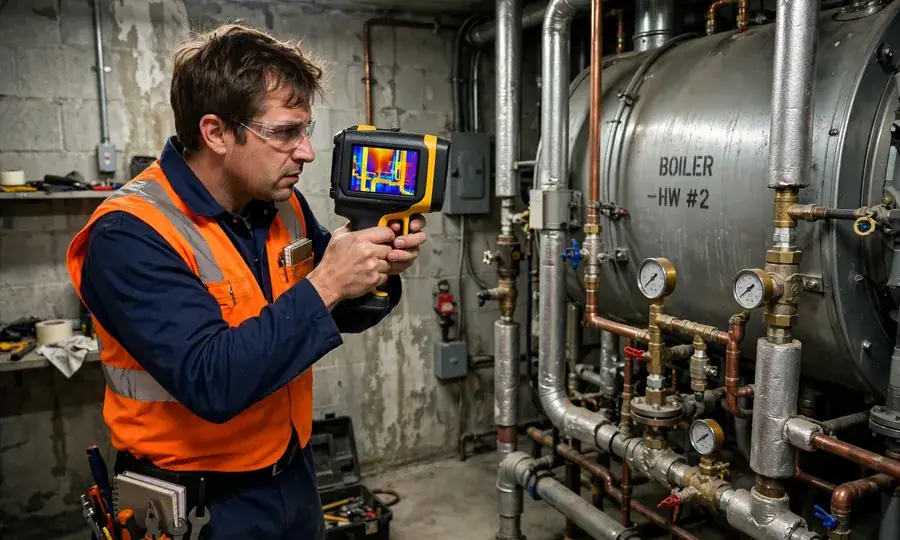
Good triage asks: fuel type, boiler age, proximity to the water, units affected, service history. On site, the tech checks corrosion points and tests with instruments — thermal imaging often finds the distribution faults faster than guesswork.
What comes up.
The line, stated plainly.
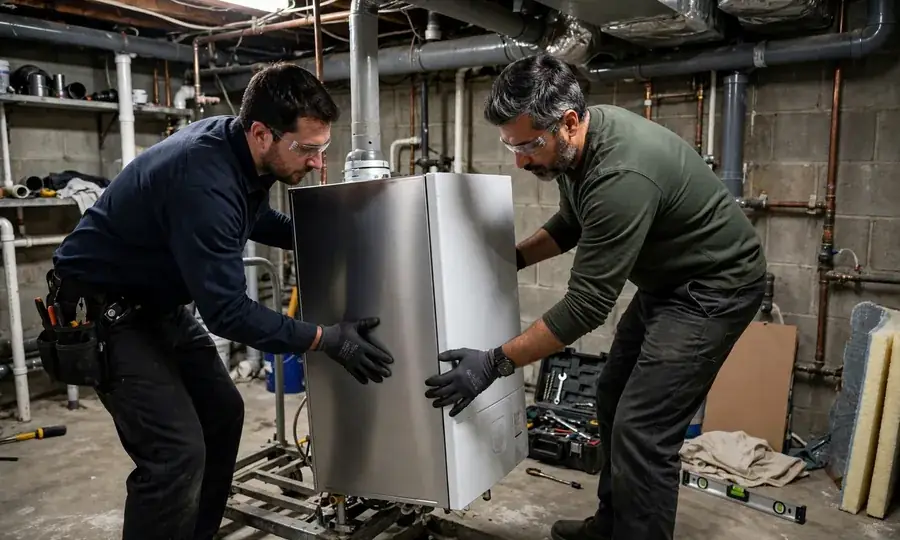
Repair makes sense when the block is sound and the fault is in replaceable components. Replacement enters the conversation when: the block weeps, corrosion has compromised venting beyond safe repair, repairs exceed roughly a third of replacement on a 25+ year unit, or breakdowns come every winter. A straight assessment gives you both numbers.
Salt air is the slow failure mode.
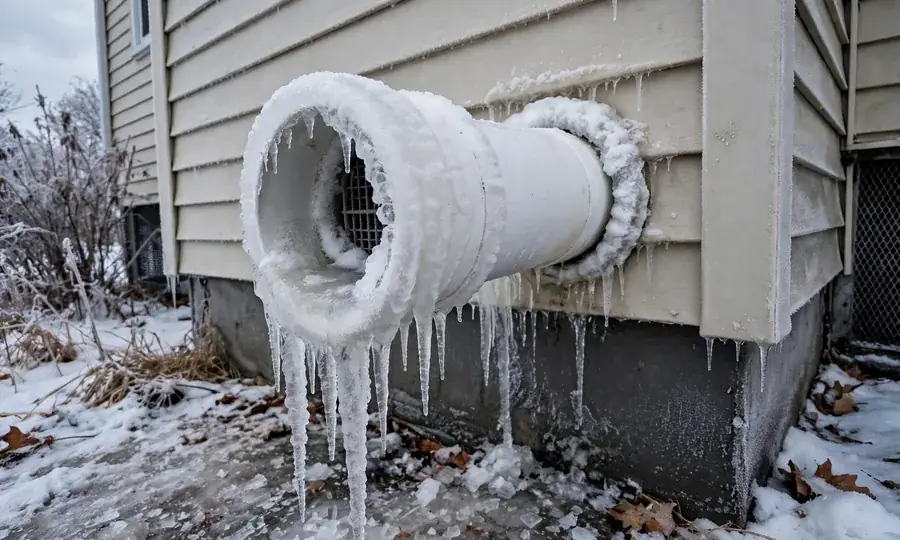
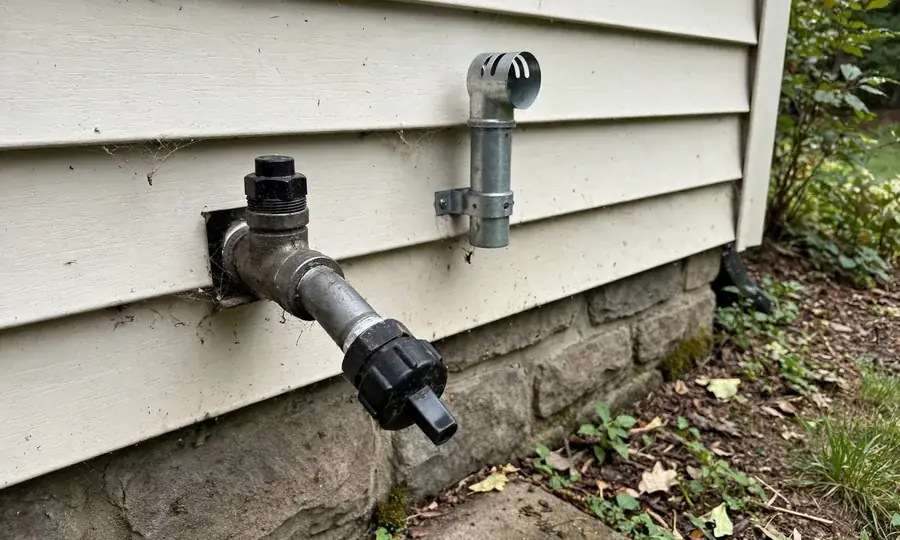
Salt air is Lynn’s slow failure mode: flue terminals corrode, outdoor fill caps pit and let water into oil tanks, wind-driven rain finds every weak vent joint. Once a month in winter, look at the vent termination and fill cap for 60 seconds — rust streaks, white crust, loose fittings. Corroded venting is not cosmetic; it is a combustion-safety issue, and it is Lynn’s signature repair. When corrosion has compromised venting beyond safe repair, the conversation becomes replacement with corrosion-resistant venting — specified for the coast, not upgraded to it. An inland-standard terminal that lasts 15 years can last 8 on the waterfront.
Two minutes before you call.
1) Thermostat — heat mode, setpoint above room temp. 2) Breaker — boiler circuit on. 3) Pressure gauge — 12–15 psi cold on a two-story home (our pressure guide explains the gauge); near zero means a leak or failed expansion tank. 4) Oil tank — gauge reading if applicable. 5) Outdoor vent — visibly iced over? Say so; it routes the diagnosis instantly. Do not keep resetting a locked-out burner, and do not chip ice off a vent with tools. No heat in freezing weather is emergency — burst-pipe risk runs ahead of comfort on the coast.
Straight answers before you call.
It accelerates corrosion on flues, terminals, and outdoor components — noticeably faster than inland. Coastal homes should get a corrosion check with every service.
you can call to describe the problem; the pro prices work after on-site diagnosis.
Distribution: zone valves, balancing, or air-bound loops. Note which units — that routes the diagnosis.
Water, rust, soot, pressure, smells, noises — 60 seconds monthly. You are detecting, not diagnosing; anything new or worsening gets a call.
Yes — slow pressure loss means a leak or failing expansion tank. It will not fix itself. Call before it becomes no-heat.
Call (888) 766-1474 — describe the symptoms for honest triage.