

NORWALK OIL SERVICE

Oil Boiler Repair in Norwalk, CT

Oil burner locking out, soot around the boiler, or a rusting tank in Norwalk? Burner faults are their own discipline. Call to describe the symptoms.

✓ Burner lockouts✓ Salt-air tank corrosion✓ Nozzle and filter service

General inquiries: 7 AM–7 PM · Emergency calls: 24/7 · (888) 766-1474

Salt air and oil tanks

Norwalk's signature oil problem.

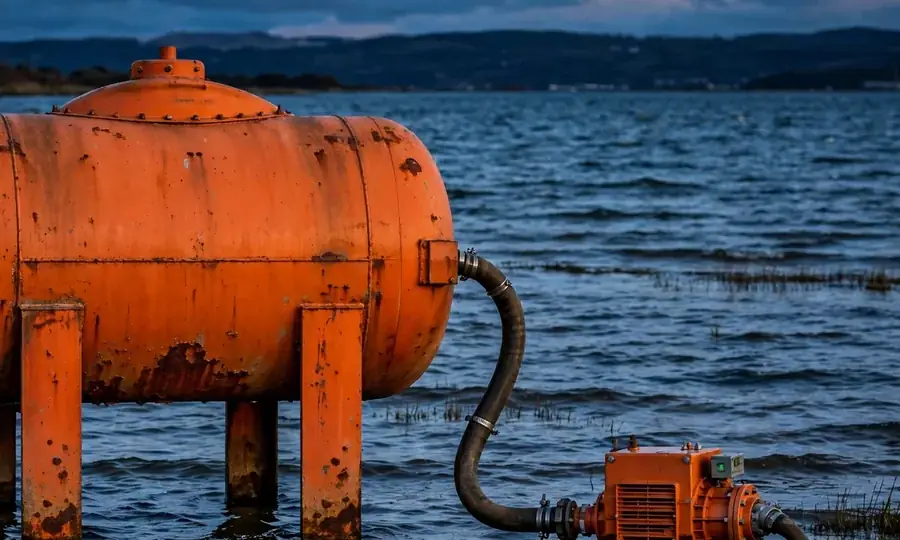
On the Connecticut coast, the oil tank fails from the outside in. Salt air corrodes outdoor above-ground tanks — legs thin, seams weep, fill and vent pipes rust through — and a tank that would last decades inland can be structurally suspect far sooner near the Sound. The triage treats a visibly rusting coastal tank as a replacement question from the first call, not a patch question.

Indoor basement tanks fare better but are not immune: condensation still puts water at the tank bottom, breeding sludge that clogs filters and nozzles. Check the gauge before anything else.

Oil Boiler Repair in Norwalk, CT

Where Norwalk oil heat lives

The streets the gas mains skipped.

Oil concentrates in the colonials and capes of East and West Norwalk, Cranbury, Silvermine, and Broad River — streets where gas mains never reached or where homeowners never converted. These are often the oldest heating systems in the neighborhood: cast-iron boilers from the 80s and 90s, some older, with burners rebuilt more than once and tanks of uncertain vintage.

That age profile shapes the triage. On a 30-year oil unit, the questions are burner-history questions: when was the last nozzle and filter change, the last full tune-up, the electrodes' condition — and on the coast, the tank's exterior condition. An oil burner that has not been serviced in three-plus years and locks out in January is telling you the maintenance story, not a mystery fault.

Oil Boiler Repair in Norwalk, CT

Read your symptoms

Oil fingerprints.

On the coast, read the tank before the burner:

  • Rust flakes, weeping seams, or leaning legs on the tank — tank integrity; photograph it and call
  • Lockout that a reset clears briefly — nozzle, electrodes, or filter; the service-interval fault
  • Soot around the boiler — incomplete combustion; burner service, not just a reset
  • No heat right after a delivery — stirred tank sludge clogging the filter
  • Pulsating or rumbling burner — fuel-delivery or draft issue

Before you call: oil-burner checks

Two minutes that change the triage.

On the coast, the tank inspection comes first:

  • Walk the outdoor tank — rust-through, weeping seams, leaning legs, corroded fill and vent pipes
  • Tank gauge — read it; confirm by tapping if the float looks stuck
  • Reset once — repeated resets flood the chamber with unburned fuel
  • Last service date — nozzle, filter, and electrodes run on a one-year clock
  • Storm history — basement dampness or flooding steers the diagnosis toward controls

Sooting or strong oil smell means ventilate and call — incomplete combustion is a carbon monoxide risk. For the national picture, see our oil boiler repair guide.

Tank replacement on the coast

When the tank, not the burner, is the job.

A coastal oil tank lives a harder life, and replacement timing is a judgment call the triage helps with. Warning signs: weeping at seams or fittings, legs that are thinning or shifting, heavy scaling rust that flakes in sheets, and any fuel odor around the tank with no visible drip. A tank showing these does not get better — and a tank failure is an environmental problem, not just a heating problem.

Replacement is also the moment to reconsider placement and protection: indoor siting where feasible, proper supports, and protection from the elements. If the boiler itself is aging too, the replacement conversation covers the whole system — boiler, tank, and fuel choice — as one decision rather than two emergencies a year apart.

Oil Boiler Repair in Norwalk, CT

Frequently Asked Questions

Straight answers before you call.

01

My Silvermine oil tank sits outside year-round. What should I watch for in winter?

Two things: corrosion and cold. Salt air attacks the legs, seams, and fill pipe from the outside, and an exposed tank and line deserve proper protection and routing. Walk the tank monthly in heating season — weeping at a seam in October is a planned replacement; the same weep discovered in January is an emergency.

02

My burner is sooting — there is black around the inspection port. What does that mean?

Delayed or incomplete combustion — the fuel is not burning cleanly, usually from a worn nozzle, tired electrodes, or draft problems. Sooting wastes oil, fouls the chamber, and leads to lockouts. Do not keep running a sooting burner; it needs a combustion check and burner service promptly.

03

How often should my oil boiler be serviced in Norwalk's climate?

Annually, before heating season — the burner nozzle, electrodes, and filter are wear items, and coastal winters work equipment hard. A yearly service with a combustion check catches the small faults that become January no-heat calls. If yours has skipped a few years, say so on the call to (888) 766-1474.

04

My tank gauge says a quarter in January. Should I order now or can it wait?

Order now. A quarter tank in January is a gamble against the next cold snap — delivery delays happen exactly when everyone else is ordering too, and running dry turns a delivery into a service call for priming, bleeding, and a filter change.

05

My cape's oil boiler is 35 years old. Keep servicing it or start planning replacement?

Let condition decide, not the birthday — many 35-year-old oil units run fine with annual burner service. The retirement signs are a cracked section, a failing heat exchanger, or repair bills stacking up year after year. Mention the age and recent repair history on the call for an honest assessment.

Oil burner trouble in Norwalk?

Call (888) 766-1474 — describe the burner symptoms for oil-specific triage.

☎   Call (888) 766-1474