
NORWALK INSTALLATION

Boiler Installation and Replacement in Norwalk, CT

Replacing an aging boiler in Norwalk? Sizing, fuel choice, and venting decide whether the new unit saves money or just costs it — and on this coast, tank condition and flood history belong in the decision too. Call to discuss your situation — house, current system, and what is failing.

✓ Proper heat-loss sizing✓ Gas and oil options✓ Coastal installation planning

General inquiries: 7 AM–7 PM · Emergency calls: 24/7 · (888) 766-1474

What to ask before you sign

The questions that separate a good install from an expensive one.

  • Was a heat-loss calculation done? — room-by-room sizing, not "same size as the old one"
  • What is the venting plan? — chimney liner condition for atmospheric units, or sidewall venting for condensing; coastal corrosion considered
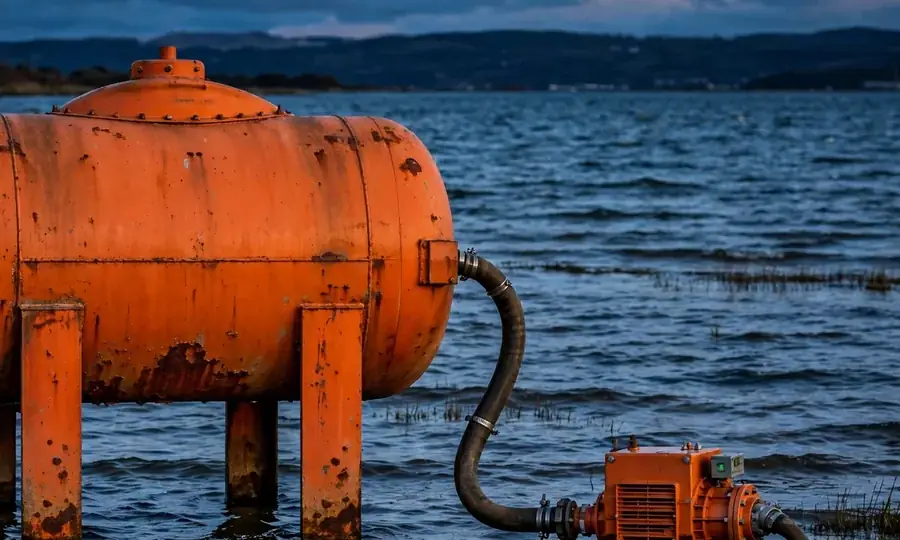
  • What is the tank plan? — on oil, the tank's age and exterior condition are part of the quote, not an afterthought
  • What about flood history? — if the basement has taken water, equipment elevation and placement are design questions
  • What happens to the distribution? — radiators, baseboard, and piping evaluated and cleaned before the new unit fires

Sizing for Norwalk housing

The housing stock sets the sizing puzzle.

Norwalk's housing variety makes rules-of-thumb sizing dangerous. A Rowayton waterfront colonial with big glass facing the Sound has a different heat loss than the same square footage in a sheltered Cranbury cape; a SoNo multifamily building with multiple zones is its own engineering exercise. An undersized boiler runs flat-out and never quite keeps up on the coldest nights; an oversized one short-cycles itself to an early grave.

A real heat-loss calculation accounts for insulation, windows, air leakage, and exposure — including wind exposure on waterfront streets. If a quote skips the calculation, that is the quote to question.

Installation in Norwalk, CT

What replacement involves

The honest scope of the job.

A replacement is a system integration, and on the coast the scope routinely includes the tank. Old unit out, new unit in, and everything between evaluated — venting with salt-air corrosion in mind, the oil tank's age and exterior condition (a rusting coastal tank gets replaced in the project, not left to fail next year), circulators and controls, expansion tank and feed valve, distribution cleaned of sludge. Flood history sets equipment placement: elevation above the known waterline is designed now, not retrofitted later.

The house is without heat during the work — winter scheduling needs a weather eye. The pro scopes the full coastal picture on site before quoting.

Installation in Norwalk, CT

Fuel-choice math in Norwalk

Gas vs. oil, for this city specifically.

Norwalk gives you a real choice on many streets: gas mains serve much of the city, while oil remains common with established local delivery. Staying with oil keeps it simple — same delivery relationship — but on the coast it means owning the tank problem: replacement timing, corrosion, and siting. Switching to gas eliminates the tank entirely, and condensing gas units reach the highest efficiencies — but only where the gas main reaches your street, and conversion adds gas-line and venting work.

The math that matters is your actual fuel use over a coastal Connecticut winter, not brochure efficiency numbers. Bring a winter's worth of delivery or utility records to the conversation. If your current unit still runs, there is also the third option: repair and maintain it while you plan the replacement on your timeline, not January's.

Installation in Norwalk, CT

Flood history and equipment placement

The coastal install question inland cities skip.

If your basement has taken water in a nor'easter, equipment placement is a design decision, not an afterthought. Options the pro will discuss: elevating the boiler and controls above the known waterline, relocating within the basement to higher ground, and protecting electrical components accordingly. A replacement is the one moment when placement can be reconsidered cheaply — once the new unit is piped in at the old spot, moving it later is a second project.

Bring the flood history to the conversation: how high the water reached, how often, and what it touched. If the current failure was flood-related, a triage call first establishes what is safe to run now; the replacement plan follows from there.

Installation in Norwalk, CT

Frequently Asked Questions

Straight answers before you call.

01

My waterfront home's boiler corroded out in 12 years. Is that normal here?

Near the Sound, yes — salt air compresses equipment life well below inland expectations, attacking tanks, vents, and exposed metal. A replacement on the waterfront should be planned with corrosion in mind: protected venting, tank placement out of the salt spray, and realistic lifespan expectations. Mention the waterfront exposure in the consult.
02

Is converting my Cranbury oil boiler to gas worth it?

It depends on two facts: whether the gas main reaches your street, and the condition of your current system. Much of Cranbury already converted where mains run. If the main is there and your oil unit is aging, conversion simplifies fuel logistics permanently — but get the main-availability answer first, before any equipment talk.

03

How is a replacement sized for a South Norwalk three-family?

By a heat-loss calculation for the entire building — every unit, the common areas, exposure on all sides. One shared boiler carries the whole building through design cold, and multifamily sizing has no room for rule-of-thumb guessing. The distribution gets assessed too, since new capacity cannot fix bad balancing.

04

Should I elevate the new boiler after my basement flooded?

Yes — raising the unit above the known flood line is the single most effective flood protection for the equipment, alongside a sump and water mitigation. Installing a new boiler at the same vulnerable height without addressing the water just schedules a repeat. Bring the flood history to the consult so elevation is designed in.

05

Should I keep my cast-iron radiators with a new boiler?

Almost always yes. Cast-iron radiators outlast boilers by decades and pair beautifully with modern units — they are the part of the system worth keeping. The replacement plan should still verify the piping and vents are sound, but wholesale radiator replacement is rarely needed or wise.

Planning a boiler replacement in Norwalk?

Call (888) 766-1474 — discuss sizing, fuel, and options for your coastal home.

☎   Call (888) 766-1474