
Is my Rinnai I-Series Plus boiler solo or combi?
A solo boiler serves space heating, while a combi model also supplies on-demand domestic hot water. The exact model code and manual identify which appliance you have.
Rinnai I-Series and I-Series Plus boilers include heating-only (solo) and combination (combi) models. A no-hot-water complaint on a combi has different causes from a radiator-circulation issue on a solo boiler, so start with the full product code.
General inquiries: 7 AM–7 PM · Emergency calls: 24/7. Service availability must be confirmed.
Enter your ZIP code or city, or call to ask about available service options.
Search results do not guarantee coverage or an appointment.
Do not confuse an I-Series boiler with a Rinnai tankless water heater. Model suffixes and generations change the correct manual and possible repair work.
If you smell gas or a carbon monoxide alarm activates, leave and seek emergency assistance. Do not change gas, combustion or sealed vent components yourself.
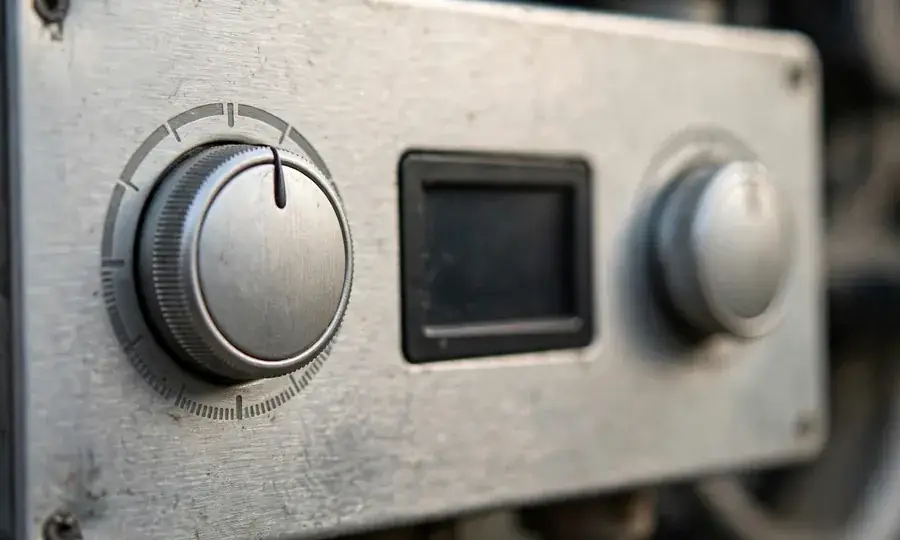
Correct model generation and suffix matter; a tankless water heater manual is not a boiler manual.
Identify I-Series or I-Series Plus and whether the suffix indicates solo or combi. Note the exact displayed fault and whether the heating or tap-water function is affected.
Rinnai publishes separate manuals and diagnostic materials for I-Series Plus solo and combi products. A professional checks water flow, ignition, controls and pressure appropriate to the unit.
A circulation problem, domestic-hot-water fault or exchanger problem has different parts and costs. Ask whether the proposed replacement parts match the unit’s generation.
Call (888) 766-1474 for an inquiry. Exact model support, scheduling and service availability must be confirmed for your area.
Find the complete Rinnai product code, not just the I-Series name.
Describe no heat, hot-water loss, low pressure or displayed lockout text.
Share the ZIP code and confirm boiler (not tankless-only) experience.
Ask about diagnosis costs, matched parts and repair scope.
Rinnai I-Series (and E-Series) brought tankless water-heater expertise to combi boilers.
The I-Series combis pair a stainless-steel heat exchanger with the control sophistication honed on tankless units. The fault map is combi-standard with brand specifics: the 3-way valve arbitrating heating vs. hot water, flow detection on DHW demand, and scale management in hard-water areas — water quality matters to these units.
Error codes follow the tankless-style taxonomy and are genuinely diagnostic — flow, ignition, and overheat codes each point at distinct subsystems.
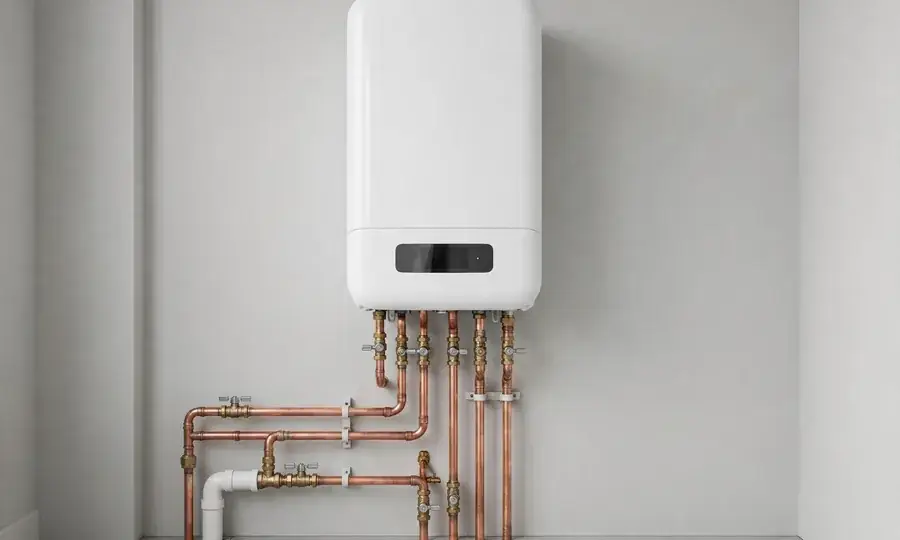
The Rinnai fault map.
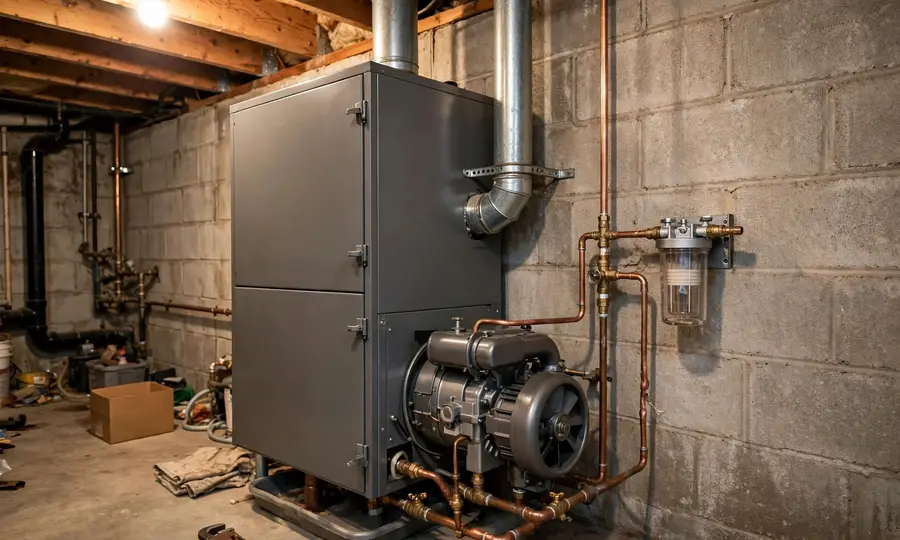
Model-specific questions to discuss before authorizing a repair.
A solo boiler serves space heating, while a combi model also supplies on-demand domestic hot water. The exact model code and manual identify which appliance you have.
Hot-water flow recognition and the domestic-water heat-transfer path can be distinct from space-heating function. Inspection must confirm the source before a diverter or exchanger is ordered.
A solo heating boiler does not itself provide on-demand hot water. If connected to an indirect tank, the tank, controls and piping must be assessed as a system.
Record the complete code and use the owner instructions matched to I-Series or I-Series Plus. Repeated resets should not replace a professional assessment of a continuing safety fault.
A hidden or visible leak, expansion tank issue or fill component can be involved. Locate the fault rather than continually topping up the system.
Costs depend on unit generation, diagnosis, available components, labor and site conditions. Ask about the call-out fee and permission before work starts.
Major confirmed failures, recurring reliability problems or excessive parts costs may warrant comparison; an external thermostat or zone fault often does not.
Provide the full solo/combi model designation, error text, what heating functions work, any pressure warning and your ZIP code. Do not remove a sealed panel.
Very — these are high-performance heat exchangers with narrow waterways, and scale is their natural enemy in hard-water areas. Treatment or softening plus periodic descaling protects both hot-water performance and the exchanger itself. It is the difference between a 15-year unit and a 7-year one.
For triage, not much: both are stainless combis with the same subsystem logic (3-way valve, flow sensing, scale sensitivity). The exact error-code tables differ slightly by model, so have the full model from the rating plate when you call.
If the fault is in another part of the heating system, these services may help narrow the next step.
Domestic hot-water and space-heating switching issues.
View Combi Boiler Repair →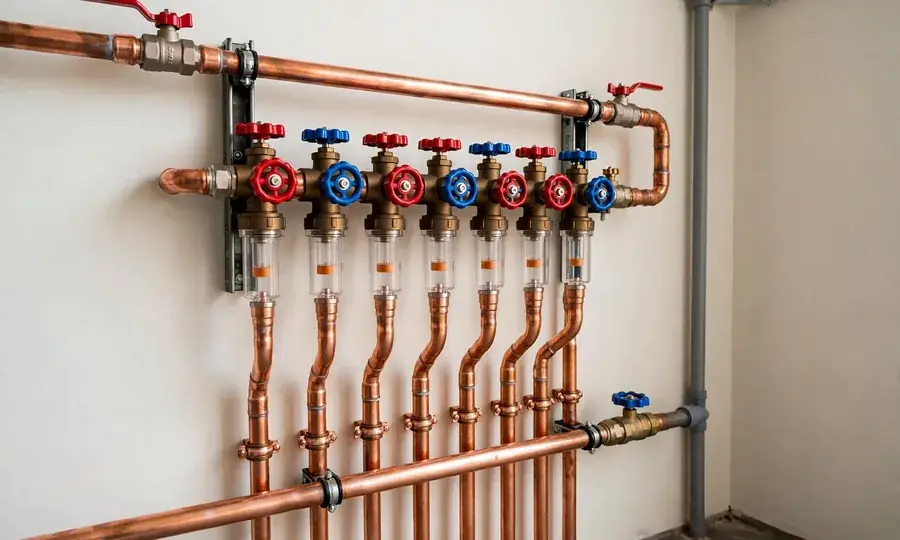
Radiator zones, circulators and hydronic distribution.
View Hot-Water & Hydronic Boiler Repair →
Condensate, ignition and high-efficiency boiler concerns.
View Condensing Boiler Repair →
Water loss, leaks, relief valves and expansion systems.
View Boiler Leak & Pressure Repair →Rinnai publishes separate I-Series Plus installation/operation resources for solo and combi boilers. Confirm the model and generation before consulting a fault-code document.
Rinnai I-Series Plus combi model and manuals ↗
Boiler Repair Pro is not an authorized or certified Rinnai service provider. References are supplied to help identify the correct product; brand names belong to their owners.
Call with the complete Rinnai solo/combi model code, error message and the heating or hot-water problem. Confirm local diagnosis and pricing options.
Call (888) 766-1474General inquiries: 7 AM–7 PM · Emergency calls: 24/7. Local service availability must be confirmed.