
Document equipment and building impact
Share boiler type, capacity or model if known, alarm codes, number of affected zones, and whether heat or hot water is unavailable.
A boiler fault can disrupt heat or hot water across apartments, offices, retail spaces, and other facilities. Commercial systems may have multiple boilers, pumps, controls, and safety devices. Call to discuss the building issue and ask about service availability.
Enter your ZIP code or city, then call to confirm availability for this repair.
Search results do not guarantee a local contractor or appointment.
For a commercial heating system, an intermittent fault can affect many occupants or critical areas. Facility staff should document symptoms without bypassing equipment safety devices.
Common signs include the following. These symptoms can have more than one cause, so diagnosis matters.
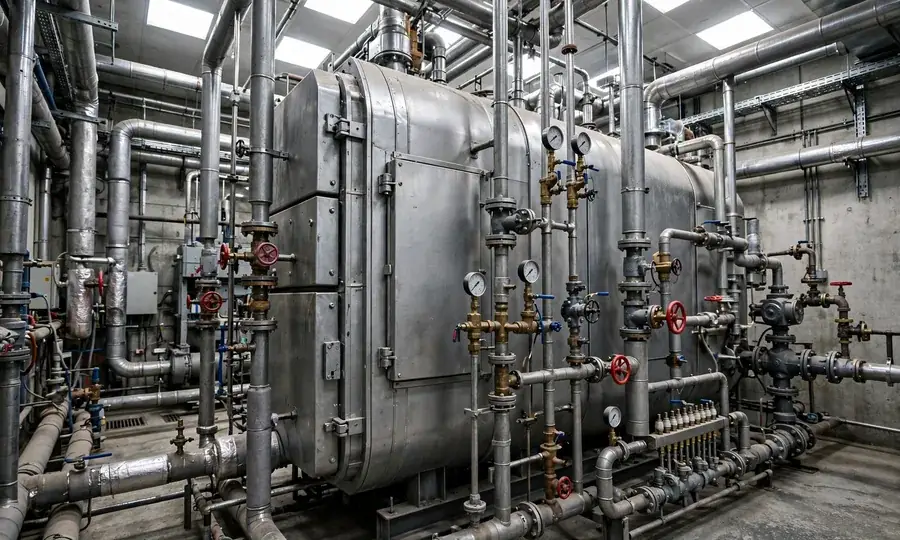
Commercial repairs should reflect the equipment type, building requirements, and applicable codes. Not every provider services every commercial boiler size or configuration; qualifications and coverage must be confirmed.
Share boiler type, capacity or model if known, alarm codes, number of affected zones, and whether heat or hot water is unavailable.
A qualified commercial heating contractor may assess combustion and safety controls, pumps, pressure, sequencing, and distribution.
Discuss isolation requirements, replacement parts, expected downtime, written estimates, and whether follow-up testing is needed.
Do not open a boiler cabinet, alter gas fittings, bypass safety controls, or work on pressurized components without appropriate qualifications.
A clear call process, without promising coverage or an on-site arrival time.
Use (888) 766-1474 for repair inquiries; emergency calls are accepted 24/7.
Share symptoms, boiler type, and any visible error codes or leaks.
Provide the service ZIP code so local availability can be checked.
Ask about qualifications, assessment fees, scheduling, and next steps.
Bigger loads, longer runtimes, and no tolerance for downtime change every decision.
Commercial systems serve apartments, offices, schools, and facilities where heat is not comfort but operations. That means redundancy: many plants run two or more boilers in lead-lag rotation so one unit can fail or be serviced without losing the building. Staging controls fire only as many stages as the load needs, and outdoor reset continuously adjusts water temperature to the weather rather than blasting full output all winter.
Scale changes failure economics too. A failed residential circulator is an inconvenience; a failed commercial pump or a scaled 2-million-BTU heat exchanger is a budget line. Water treatment, logbooks of pressures and temperatures, and scheduled servicing stop being optional — they are how you catch a drifting burner or a climbing stack temperature before it becomes a no-heat Monday.
Building-scale symptoms.
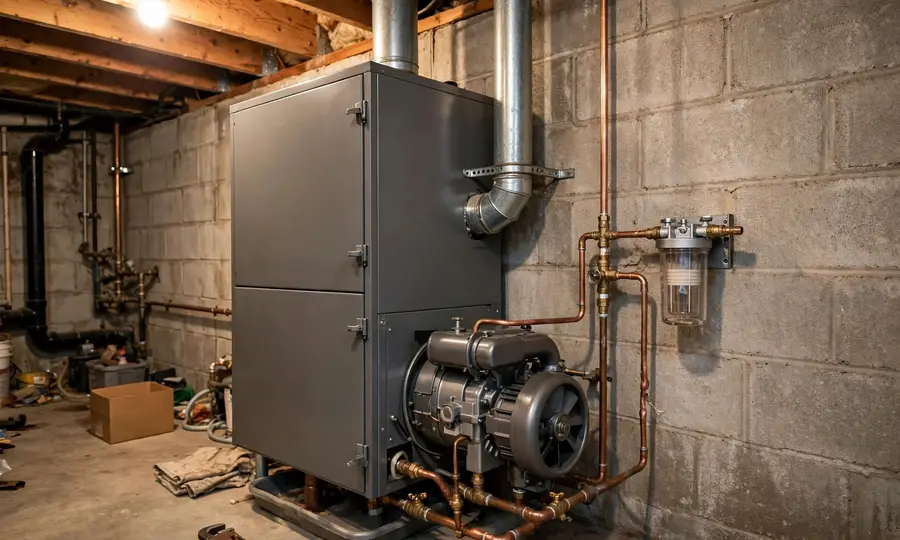
Answers to common questions before requesting service.
Work may involve central boiler plants or heating equipment serving offices, multifamily properties, retail buildings, or other facilities. Actual provider capabilities vary.
Yes. Depending on redundancy and system layout, a boiler, pump, control, or common distribution fault may affect multiple zones.
Emergency calls are accepted 24/7, but on-site provider availability and response times must be confirmed for the location and equipment.
Have the site ZIP code, boiler model or capacity if available, alarm codes, affected areas, and any building-access requirements.
Some work may be planned to limit disruption, but feasibility depends on the fault, contractor schedule, equipment, and safety needs.
Many commercial systems require experience with larger equipment, specific fuels, controls, and local code requirements. Verify qualifications before authorizing work.
System size, diagnosis, replacement parts, accessibility, downtime needs, and after-hours work can affect pricing. Confirm fees and obtain a written scope.
Compare safety, equipment condition, reliability, remaining life, part availability, energy performance, and total repair cost before deciding.
Faster than residential in one sense: commercial plants have gauges, logs, and building management data, so a tech can see exactly when and how the fault started. Describe on the call how many boilers you have, whether any are running, and what the building is experiencing — that determines whether it is one call or an all-hands response.
A condition assessment — combustion numbers, heat-exchanger condition, control state — turns that from a guess into a payback calculation.
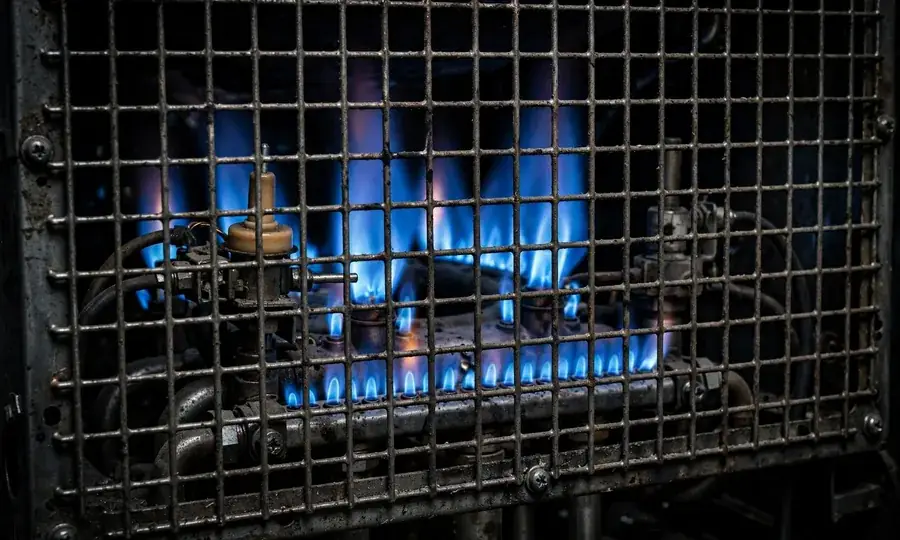
Startup failures, error codes, sensors, and electrical controls.
View Service Details →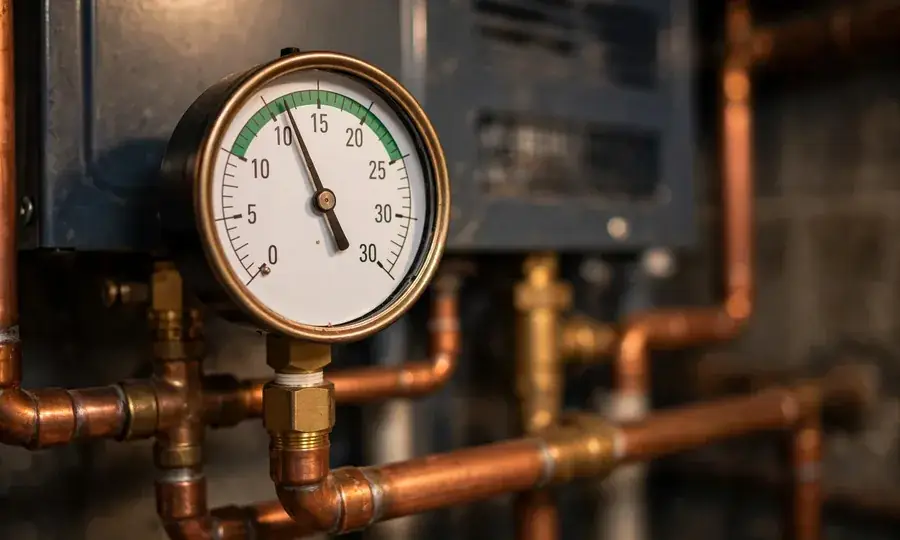
Water leaks, persistent pressure loss, and pressure fluctuations.
View Service Details →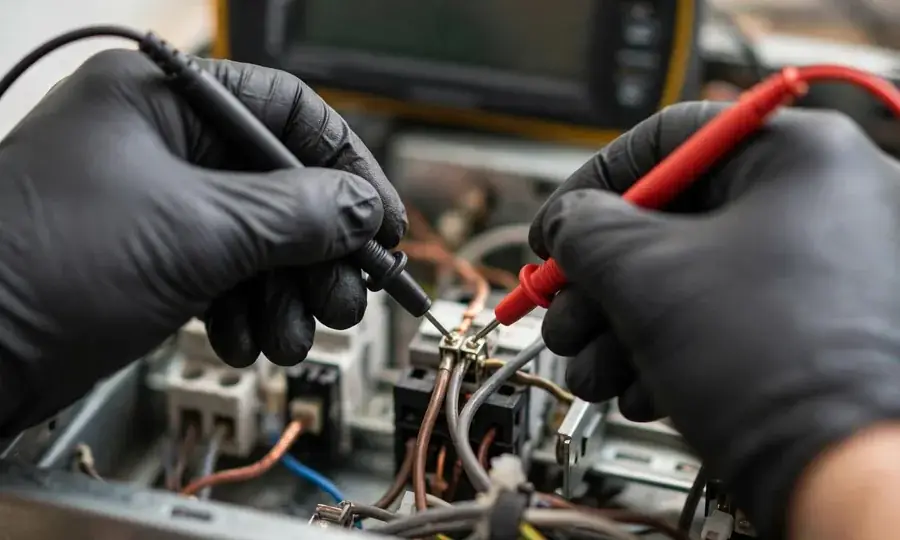
Seasonal inspections and preventive system care.
View Service Details →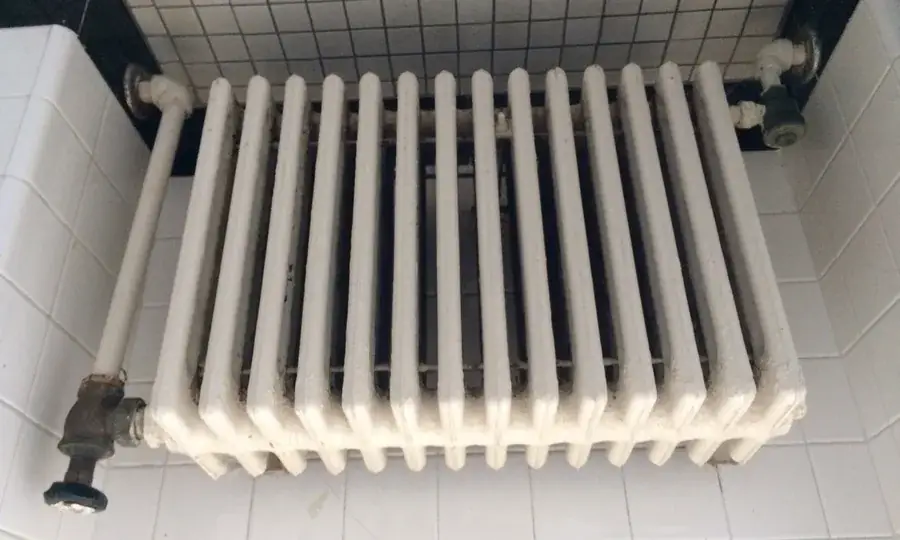
Steam pressure, water-level, venting, and radiator concerns.
View Service Details →Call with the site ZIP code, boiler information, affected areas, and alarm details. Ask about contractor capabilities, service availability, and assessment costs.