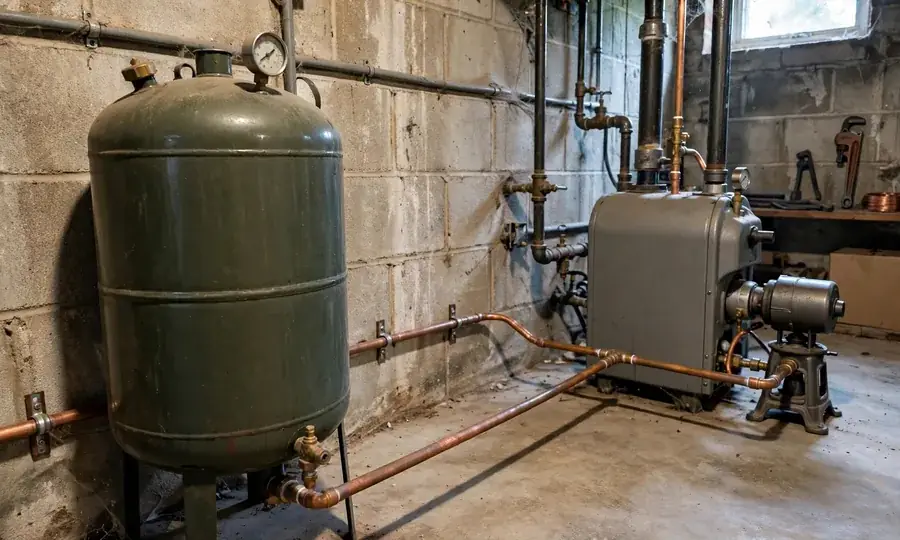
Harrisburg's housing is two markets in one: 1900s rowhouses and twins in Midtown, Uptown, and Allison Hill with minimal insulation and high air leakage, and newer suburban construction in Colonial Park, Paxtonia, and Linglestown built to modern envelopes. Most existing boilers in both were sized by rule of thumb — often 2 to 3 times larger than the building's actual heat loss. An oversized replacement short-cycles: blasting, satisfying the thermostat, shutting off, repeating — wasting fuel and wearing parts.
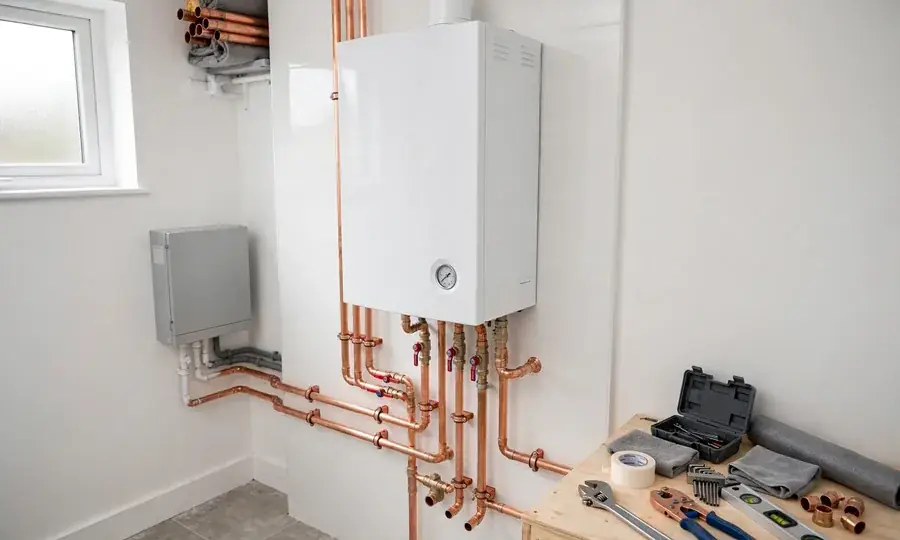
Proper sizing starts with the building's actual heat loss, then the fuel reality: gas where UGI mains serve the street (most of Harrisburg), oil where they do not. Then venting: condensing units need plastic flue routes and a condensate drain that will not freeze on a teen-degree night; atmospheric units need a serviceable chimney. And steam stays steam — you do not convert a Shipoke one-pipe system to hot water without rebuilding the distribution.