EPHRATA INSTALLATION

Boiler Installation and Replacement in Ephrata, PA

Replacing a boiler in oil-heavy Ephrata? The fuel question comes first here — then sizing, venting, and controls. Call to discuss your situation: house, current system, and what is failing.

✓ Confirm coverage by ZIP✓ Proper heat-loss sizing✓ Fuel-choice guidance

General inquiries: 7 AM–7 PM · Emergency calls: 24/7 · (888) 766-1474

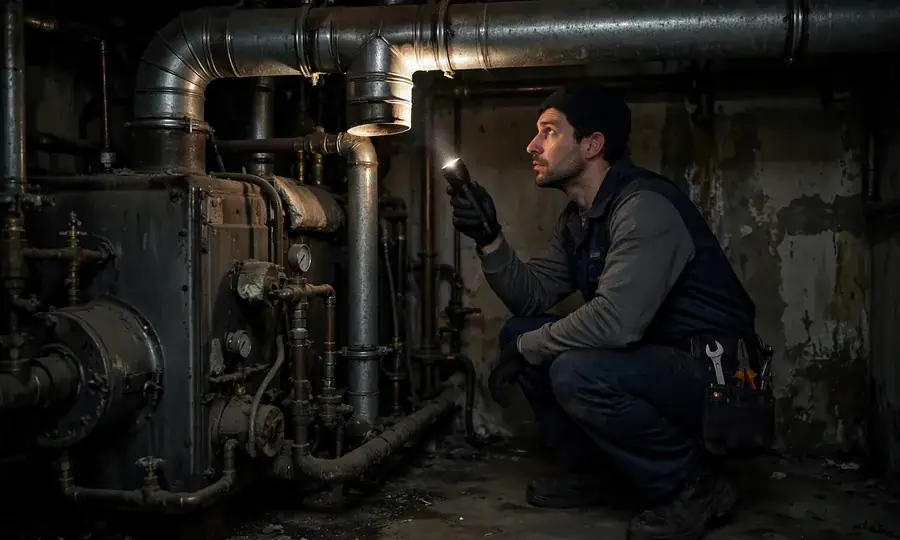
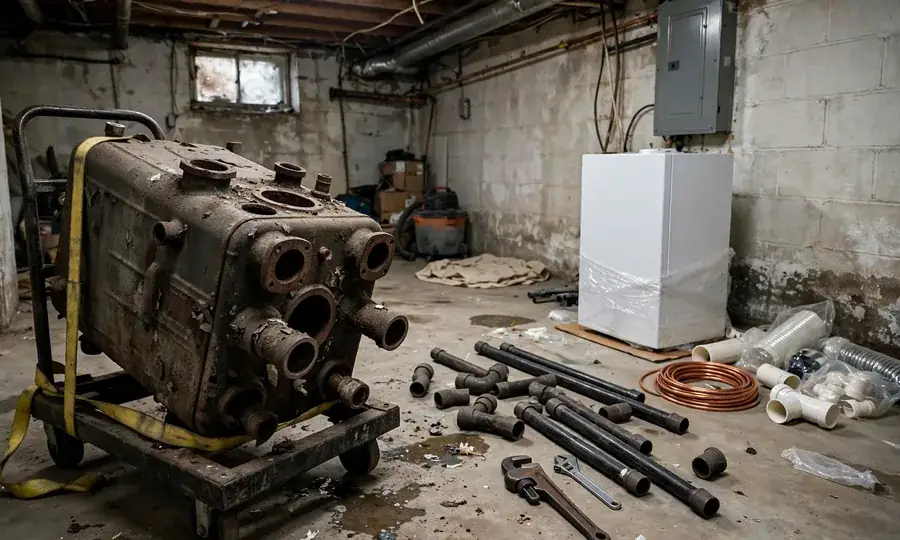
Old boiler being removed during replacement

Oil boiler replacement specifics

What changes when the new unit is also oil.

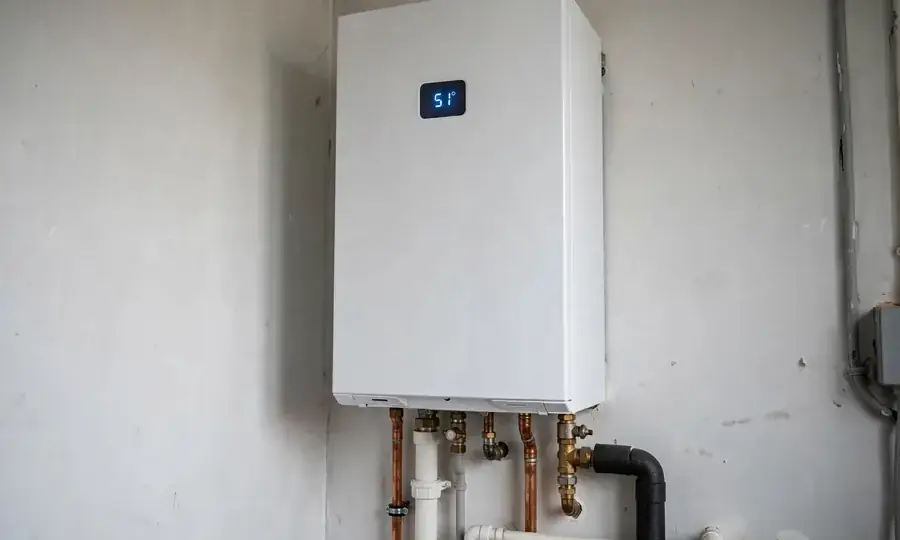
Like-for-like oil replacement is the smoothest boiler job there is: same fuel, same venting path (usually), same distribution. The work is in the details — proper sizing (old units are routinely 2–3× oversized), near-boiler repiping, tank assessment (a new boiler on a dying tank is a mistake — address both), and commissioning with combustion readings.

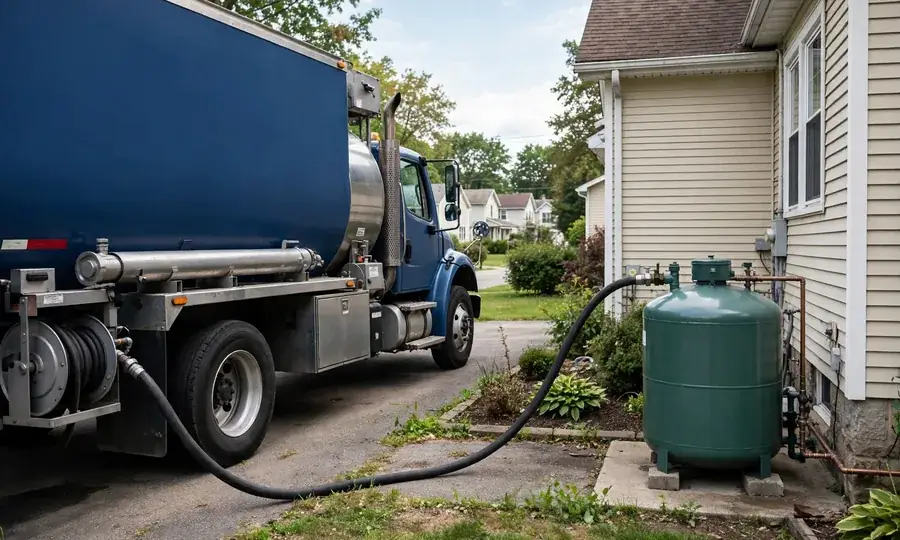
Budget for the tank question honestly: if the tank is 30+ years old, replacing it with the boiler is cheaper than doing it as a separate emergency later.

Installation in Ephrata, PA

The fuel question comes first

In Ephrata, fuel is the decision.

Most boiler replacements anywhere are like-for-like. In Ephrata, the fuel question deserves real analysis: stay oil or convert to gas? Conversion only makes sense where gas mains reach your street — much of the borough they do not — and the math must include the gas line, venting changes, and possible chimney work, not just the fuel price spread.

Staying oil is often the right answer here: a modern oil boiler with proper service is efficient, reliable, and avoids conversion costs. Where gas is available and the numbers work, conversion can pay — but get both options fully priced.

Installation in Ephrata, PA

Sizing and installation

Done right.

Most existing boilers were oversized by rule of thumb — often 2 to 3 times the building's actual heat loss. Proper sizing starts with a heat-loss calculation, not the old nameplate. Then near-boiler repiping to the new unit's spec (where efficiency is won or lost), controls with outdoor reset commissioned properly, and startup tuning verified with instruments.

For the deeper guide, see our national boiler installation guide.

Installation in Ephrata, PA

What to ask any installer

Five questions.

  • "How did you size it?" — expect a heat-loss calculation
  • "Stay oil or convert — what is the full math?" — both options priced, not just fuel
  • "What happens to the near-boiler piping?"
  • "What controls are included and commissioned?"
  • "How is combustion verified at startup?"

Replacement day in an oil home

What the job actually involves.

Like-for-like oil replacement is the smoothest boiler job in the trade: same fuel, usually the same venting path, same distribution. The day runs in a fixed order — assessment (heat-loss calc, chimney and tank inspection, near-boiler piping review), removal of the old block, near-boiler repiping to the new unit's spec, burner setup, then startup and combustion tuning with instruments. The tuning is the part that separates installs: a burner fired and tuned to the manufacturer's spec versus one just switched on.

Two things worth raising before the day: the tank — if it is 30-plus years old with unknown history, replacement alongside the boiler beats an emergency tank job later — and the chimney, which should be inspected before an atmospheric unit vents into it for another twenty years.

Installation in Ephrata, PA

Frequently Asked Questions

Straight answers before you call.

01

My oil boiler is 30 years old and weeping. What are my real options?

Replacement, planned now: weeping sections do not heal, and a 30-year-old oil block in an oil town has earned retirement. The question is not whether but what: a modern oil unit, or gas if the main reaches your street. A planned project gets a heat-loss calculation; an emergency one gets whatever is available.

02

Is it worth switching from oil to gas in Ephrata?

Only where the main reaches you, which is the minority of streets here. Where gas is available, run the numbers honestly: equipment, piping, tank retirement, and the fuel outlook. Where it is not, a modern oil boiler is a genuine upgrade over a 30-year-old block. Your street decides before your preference.

03

How is a new oil boiler different from my 1985 unit?

Controls, combustion, and efficiency: modern oil units burn cleaner, modulate better, and waste less up the flue. The cast-iron block concept is the same, but everything around it got smarter. Pair it with a clean tank and fresh lines and the whole fuel side starts over.

04

Should I replace the tank with the boiler?

If the tank is old, yes: one crew, one disruption, and the new boiler starts life on a clean fuel supply. A new burner on a sludged, watery tank inherits every fuel problem the old unit had. Have the tank inspected during the quote; the answer is usually obvious.

05

When should I schedule a replacement in an oil town?

Fall, before the delivery season peaks. Fall means warm-house working conditions, stocked parts, and commissioning before the first real cold. Scheduling in January means emergency rates and a cold house while the old block comes out. If the unit is weeping now, do not roll the dice on winter.

Planning a replacement in Ephrata?

Call (888) 766-1474 — discuss fuel, sizing, and options.

☎   Call (888) 766-1474