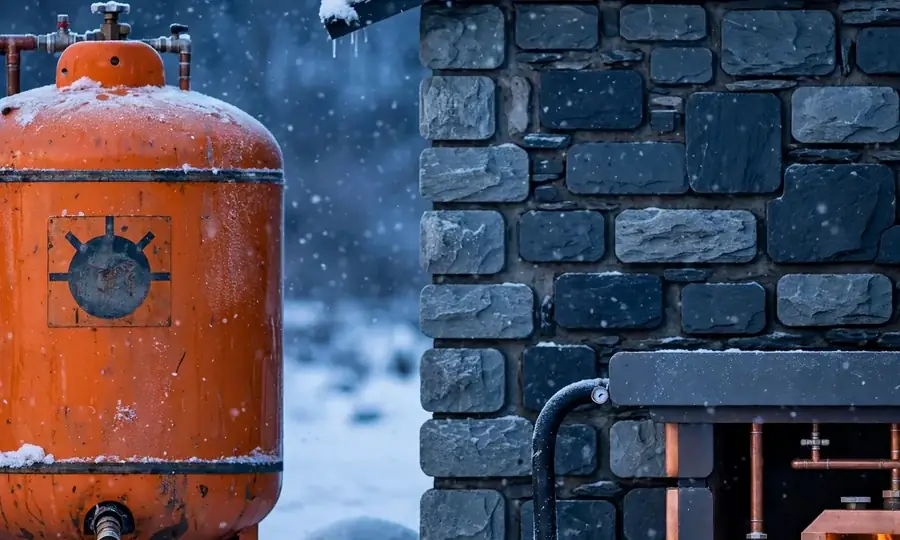
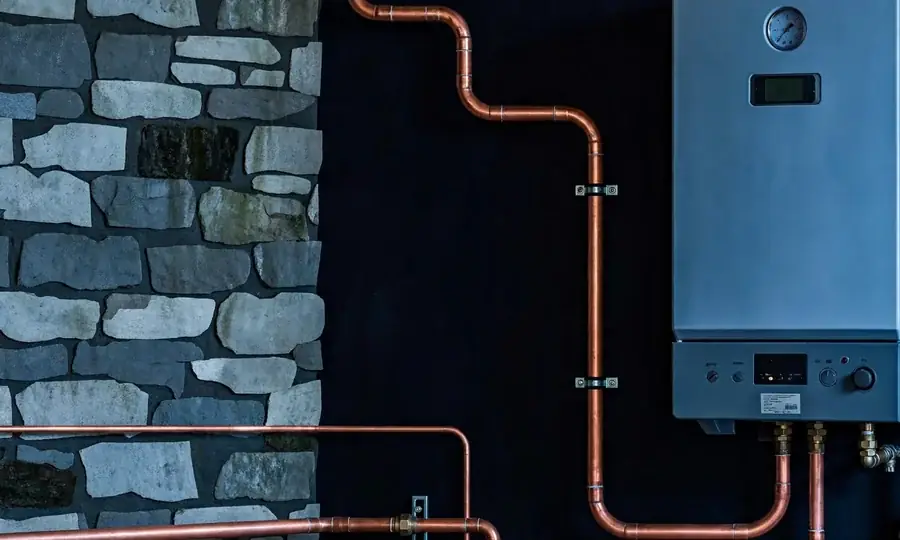
Oil heat means you own the fuel supply: a tank, a delivery truck, and a burner that turns that oil into heat. Doylestown's oil stock is distinctive because of tank variety: basement tanks in the borough's stone homes, but also outdoor and above-ground tanks on township farmhouse properties — exposed to weather, freeze, and condensation in ways basement tanks are not. Whatever the setup, tank age is the question that matters: a tank pushing 25–30 years deserves a hard look for weeping seams and rust at the legs, because a failed tank is a far bigger problem than a failed burner.
The rhythm that catches people is delivery timing. Farmhouse tanks are often larger, which breeds complacency — but a tank that cruises through fall can still empty fast in a January cold snap, and a run-out is the most preventable no-heat call in oil territory. Watch the gauge, and know that an oil burner that ran dry needs a proper restart — filter check, line prime, and burner reset done in the right order — not just a delivery and a prayer.