COLLEGEVILLE GAS SERVICE

Gas Boiler Repair in Collegeville, PA

Gas boiler will not fire, keeps locking out, or heats intermittently in Collegeville? The post-war suburbs and newer townhome developments run on PECO gas — sealed and condensing units where ignition, flame sensing, and condensate faults are the everyday calls. Older atmospheric units persist in parts of the borough too. Call to describe the symptoms.

✓ Ignition and flame faults✓ Condensate freeze-ups✓ 24/7 emergency telephone line

General inquiries: 7 AM–7 PM · Emergency calls: 24/7 · (888) 766-1474

Collegeville gas specifics

Local details that change the triage.

The suburbs around Collegeville are served by PECO for natural gas — if you smell gas, their emergency line (or 911) comes before any boiler call, from outside the building. Gas coverage is broad in the newer developments and post-war subdivisions, but the older borough core has pockets that stayed on oil — worth confirming before you describe the system on the call.

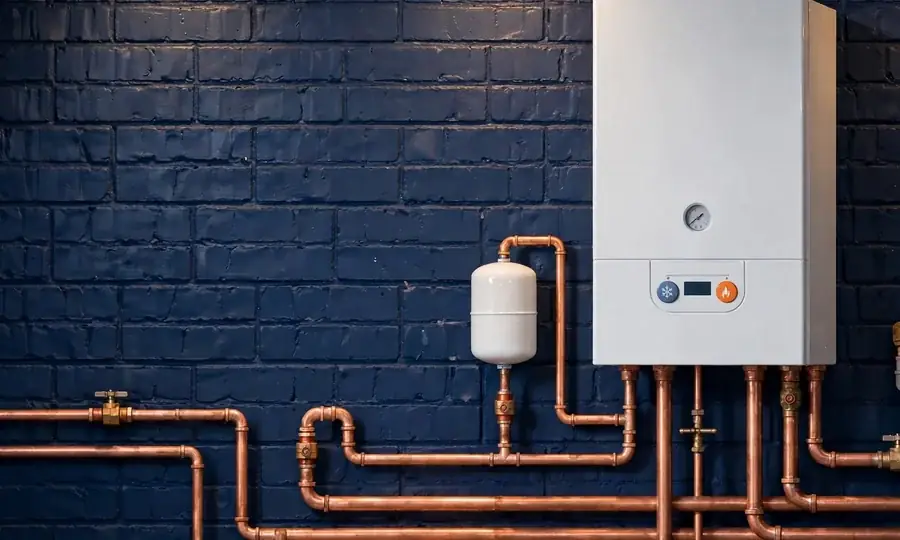
The gas stock here is mostly sealed-system and condensing units: wall-hung and floor-standing boilers in the townhomes and suburb ranches, with conventional atmospheric units lingering in the borough's older housing. The fault map is igniters, flame sensor rods, pressure switches, and condensate drains — and in the newest developments, combi-style units where a domestic-hot-water fault can masquerade as a heating fault. Saying what the unit looks like, or just describing the symptom, routes the triage correctly.

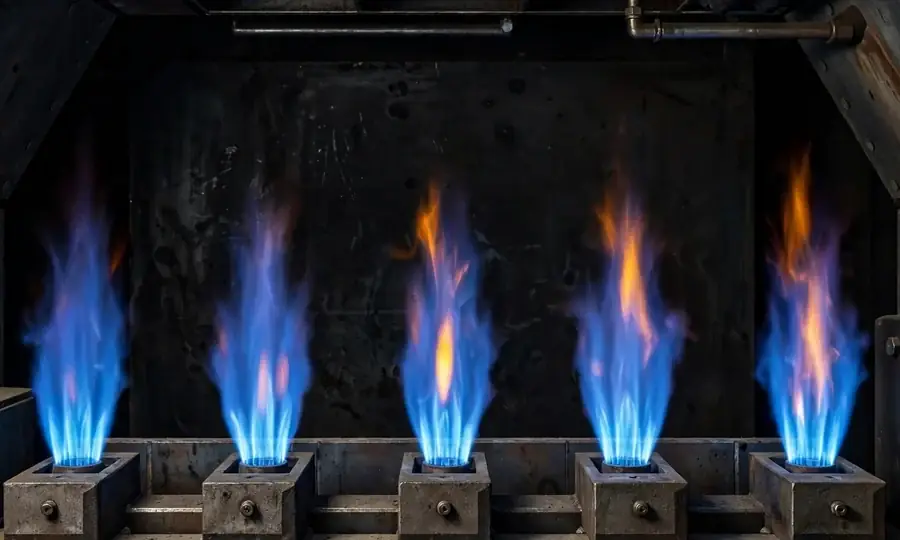
Gas Boiler Repair in Collegeville, PA

Gas faults in Collegeville

What the local mix produces.

The signature winter fault in the newer builds is the condensate freeze-up: high-efficiency condensing units with externally-run condensate drains freeze on teen-degree January nights, the trap backs up, and the boiler locks out by morning. A unit that gurgled before dying in a cold snap is telling you exactly what happened — and it is one of the quickest triage calls we take.

Year-round, the pattern is ignition-component wear: hot-surface igniters that crack, flame sensor rods that coat with oxide and fail to prove flame, and pressure switches that drift out of calibration. On the borough's older atmospheric units, the equivalents are thermocouples and pilot assemblies. These are consumable parts with finite lives — what matters is diagnosing which one failed rather than replacing parts by guess.

Gas Boiler Repair in Collegeville, PA

Read your symptoms

The fingerprints, with local context.

  • Fires for seconds, then cuts out — flame sensor cannot prove flame; the most common gas call
  • Fan runs, no ignition, lockout — igniter, gas valve, or pressure switch
  • Dead on a freezing morning — frozen condensate drain until proven otherwise
  • Bang on startup — delayed ignition; stop resetting and call
  • Pressure falling to zero — leak or failed expansion tank on the sealed circuit

For the full technical breakdown of gas boiler systems, see our national gas boiler repair guide.

Ignition faults: what you can safely observe

Symptoms that narrow the diagnosis.

Most gas no-heat calls are ignition faults, and the pattern tells the story. Fires for seconds, then cuts out points at the flame sensor: the burner lit, but the control cannot prove flame, so it shuts down on safety. Fan runs, no flame, lockout points at the igniter or gas valve — the sequence never got past step one. Dead on a freezing morning after gurgling is the condensate drain until proven otherwise. Bang or boom on startup is delayed ignition: stop resetting and call, because unburned gas detonating is not a nuisance, it is a hazard.

One safety note that matters: a carbon monoxide alarm sounding near the boiler is never a boiler-repair call — leave the building and call 911. CO is odorless, and a cracked heat exchanger or blocked flue is a get-out-first situation.

Gas Boiler Repair in Collegeville, PA

Frequently Asked Questions

Straight answers before you call.

01

My PECO gas boiler will not fire this morning. What do you check?

The ignition train first: igniter, flame sensor, gas valve, and the safety circuit. On sealed suburban systems, a pressure fault from a tired expansion tank can also lock out the burner, so the gauge gets read before any parts come out. Report the gauge reading and any display code on the call.

02

What is a flame sensor and why does mine keep failing?

It is the safety that proves the burner actually lit before the gas valve stays open, and it fails because combustion deposits coat it over time. A coated sensor reads no flame, so the boiler locks out. Cleaning or replacing it is quick work, but if it keeps fouling, the burner needs a combustion adjustment, not another sensor.

03

My condensing unit's drain froze and shut the boiler down. What now?

Thaw the line safely, do not force the boiler to run with nowhere for condensate to go, and call (888) 766-1474. January nights in the teens freeze externally run condensate drains across the Perkiomen Valley. The permanent fix is rerouting the drain inside or insulating the run; mention the freeze so the visit plans it.

04

Should I worry that my wall-hung boiler sounds different than my old cast-iron one?

No. Wall-hung condensing units are supposed to sound different: smaller burners, modulating firing, and a condensate pump you will hear. What matters is new or worsening sounds: banging, loud rumbling, or a fan that screams. A changed sound on any unit deserves a call; a different sound on a different design does not.

05

The boiler runs but my gas usage seems high for a mild winter.

Efficiency is slipping: a heat exchanger due for cleaning, a burner out of adjustment, or short-cycling from a failed control. Sealed systems also lose efficiency silently through pressure loss and air in the loops. A combustion check and a look at the water side usually find the gap.

Gas boiler trouble in Collegeville?

Call (888) 766-1474 — describe the fault code and symptoms for fast triage.

☎   Call (888) 766-1474