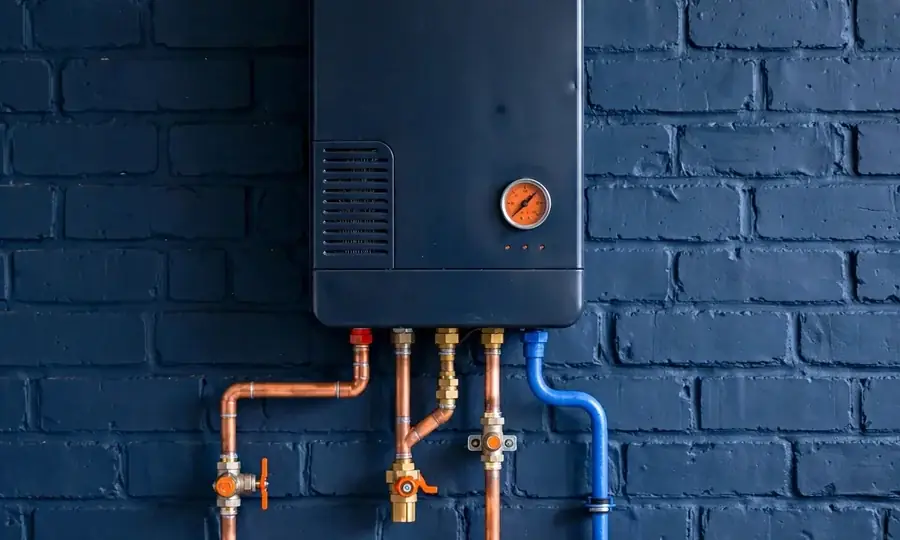
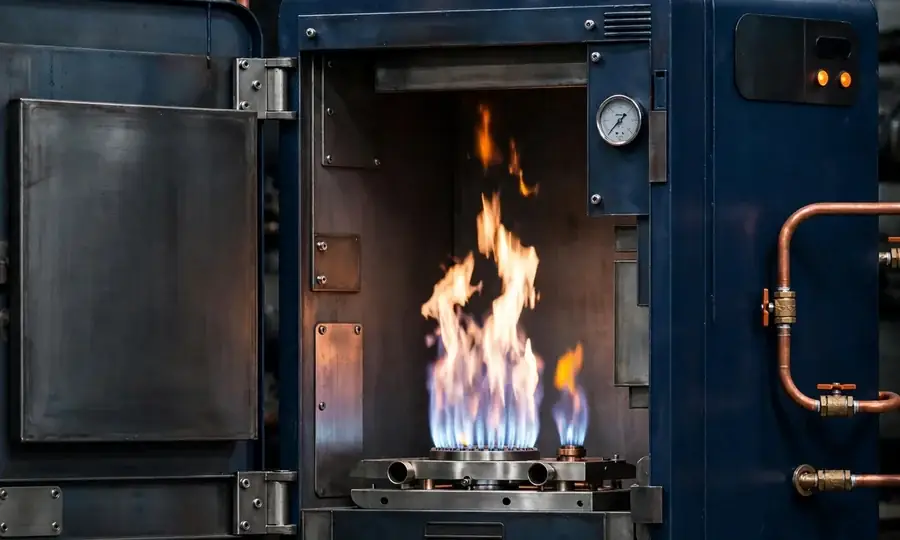
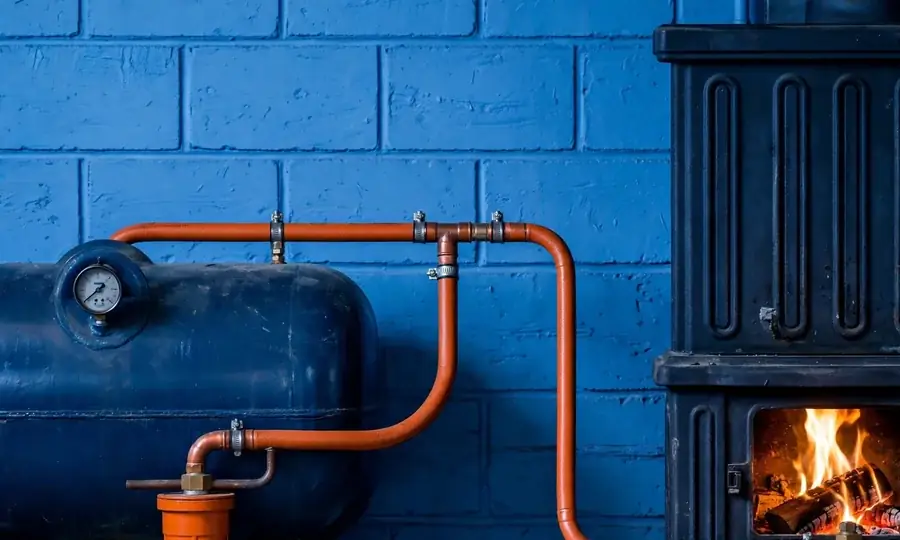
Valley Stream's nearly-one-in-four oil share makes the fuel question live in a way it is not in gas-only suburbs. Where National Grid mains serve the street — most of the village — a gas replacement is the straightforward path: fuel on tap, sealed or condensing units, no delivery logistics, no tank aging in the basement. The honest comparison is the full installed cost of conversion (service line, venting changes, possible chimney work, oil tank decommissioning) against the fuel-price spread over the boiler's life.
Staying on oil is a legitimate choice, not a consolation prize: a modern oil boiler with proper annual service — new burner, clean nozzle, honest combustion numbers — is efficient, reliable heat, and it skips the conversion construction entirely. Two rules that do not bend either way: a condensing gas unit needs a condensate plan that survives teen-degree January nights, and an old basement oil tank near the end of its life should be priced into the decision, not discovered mid-project. Everything else is arithmetic the installer should show you, not tell you.