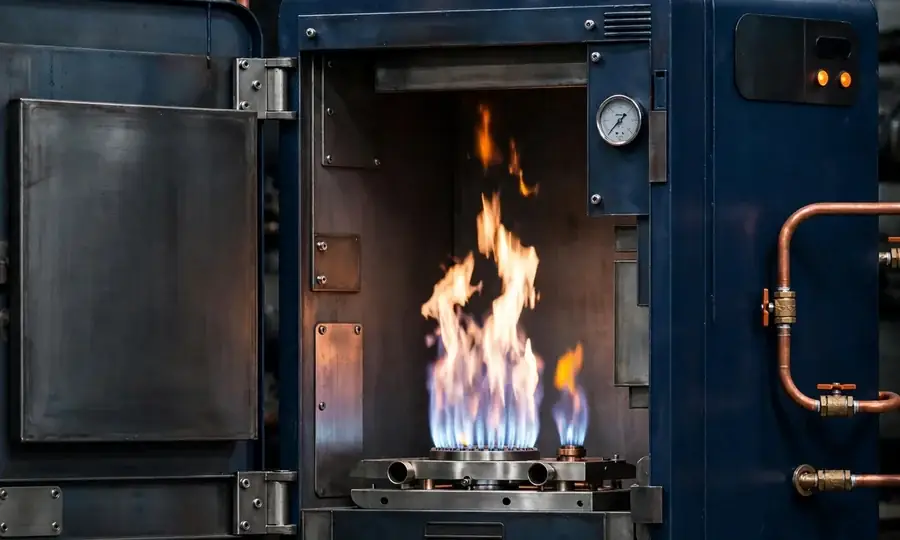
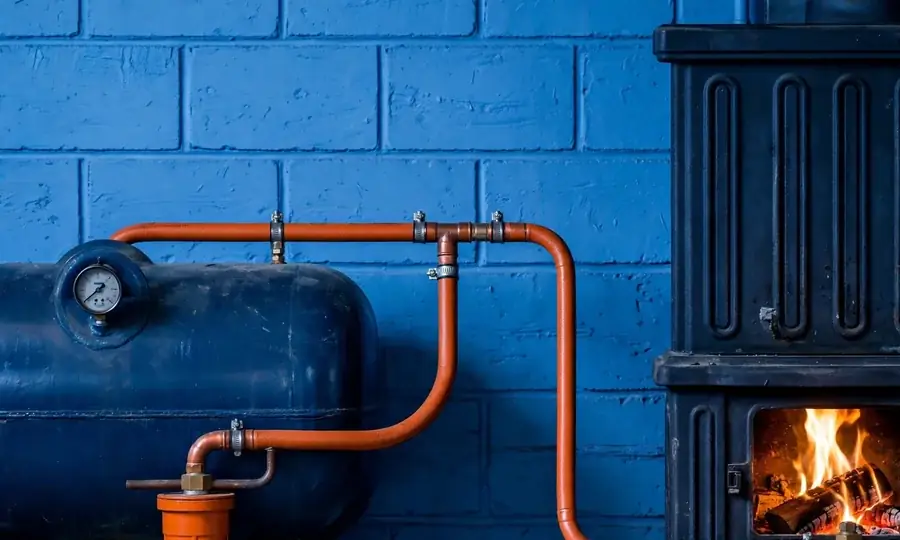
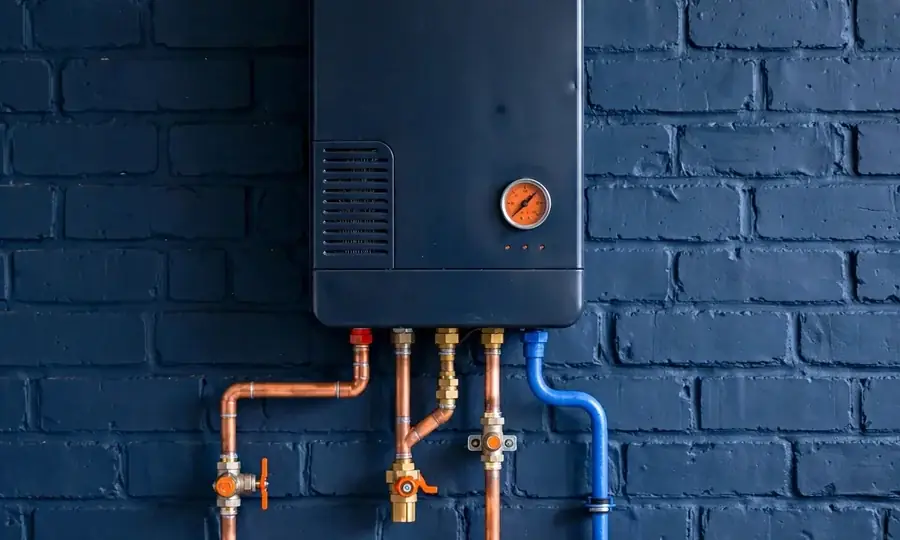
The visit starts where the triage left off. On a gas unit the tech checks flame rectification signal, igniter condition, and gas valve operation with instruments — not by swapping parts. On oil, it is nozzle spray, electrode gap, and cad-cell flame sighting, plus a look at the filter, the fuel line, and the tank itself. On sealed systems, the expansion tank charge and the feed valve get checked against the gauge reading: a system that keeps losing pressure has a leak or a waterlogged tank, and topping it up without finding the cause just buys days.
In the village's capes, the tech also walks the distribution when upstairs rooms are cold: bleed points at the dormer high spots, zone valve operation, and whether the radiation up there was ever sized for finished living space. Findings are explained before any work is authorized — what failed, what it costs to fix, and what the rest of the boiler's condition suggests. That is the whole point of diagnosis-first repair: you decide with the facts in front of you.