PEABODY OIL SERVICE

Oil Boiler Repair in Peabody, MA

Oil burner won't stay lit, sooting up, or drinking fuel in Peabody?

✓ Burner & nozzle service✓ Tank questions✓ 24/7 emergency telephone line

General inquiries: 7 AM–7 PM · Emergency calls: 24/7 · (888) 766-1474

Peabody oil specifics

Oil burner problems can involve fuel supply, filters, ignition components and the condition of the tank. Describe your symptoms and system when calling.

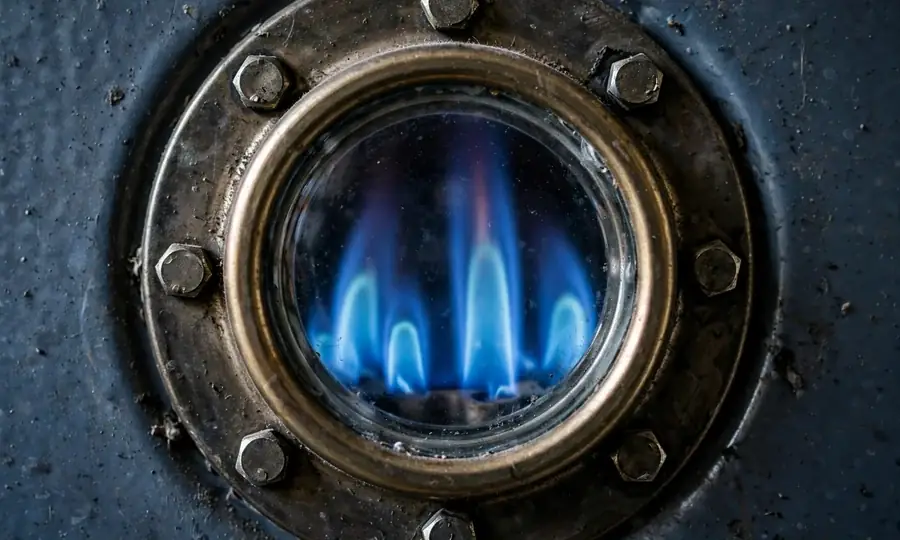
Peabody's oil heat concentrates in the older housing around downtown and in South Peabody pockets where gas mains arrived late. These are often the oldest systems in the city — burners with decades of service, tanks of uncertain age, fuel lines run when the house was young. Oil diagnosis here starts with respect for the system's age: combustion testing and a look at the flame tell you more than any parts cannon.

The housing pattern matters. In the downtown multis, one oil boiler may heat several units — a single point of failure for multiple households, which is why landlords here should treat annual burner service as non-negotiable. In the post-war singles, oil systems are mid-century originals now entering the years where heat exchangers and tanks deserve honest assessment.

Oil Boiler Repair in Peabody, MA

Oil faults in Peabody

The wear items, in order.

  • Annual-service skips catching up — nozzle, filter, electrodes: the wear items, all due at once
  • Lockouts after run-outs — air in the line needs proper bleeding and restart
  • Sooting and odor — combustion drifted out of tune; needs testing, not just cleaning
  • Fuel pump starvation — sludge from aging downtown tanks loads the filter
  • Tank-age unknowns — weeping seams and bottom rust on tanks of uncertain vintage

For the full technical breakdown, see our national oil boiler repair guide.

Oil Boiler Repair in Peabody, MA

Tanks: the quiet question

What to watch as they age.

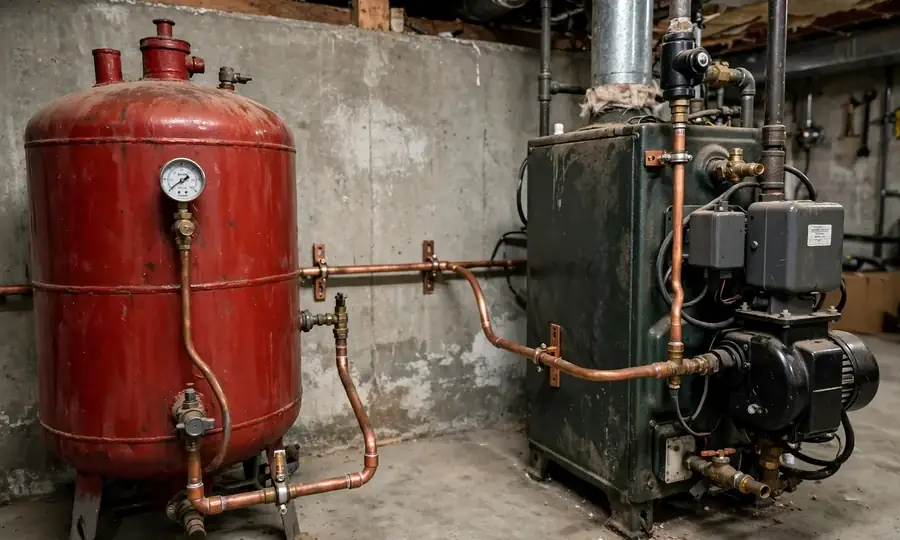
Most Peabody oil tanks sit in basements, which is the kindest possible environment — but indoor tanks still age. Weeping seams, a growing oil smell, or rust blooming along the bottom edge all say the tank is telling you its plans. Outdoor tanks face a harder life: temperature swings condense water inside, and water plus steel plus time is the whole story of tank failure.

Two habits extend tank life: keep it reasonably full through winter (less air space means less condensation) and have the filter changed with every service — sludge is what kills pumps and nozzles downstream. If you're unsure how old your tank is, say so on the call; age plus condition drives the advice.

Oil Boiler Repair in Peabody, MA

Oil vs. gas conversion

The question every oil homeowner asks.

In the parts of Peabody where gas mains run, oil-to-gas conversion is a live option when an oil boiler reaches end of life — but it's a when-the-boiler-dies decision, not a mid-life one. A sound oil boiler with years left is almost never worth replacing early just to change fuels. The math turns when the heat exchanger is suspect or the tank needs replacing: at that point, compare conversion against a new oil unit honestly, including chimney and gas-line work.

Where mains don't reach — parts of South Peabody and the older streets — conversion isn't on the table, and the right move is maintaining the oil system properly: annual service, clean fuel, sound tank. A well-kept oil boiler is a perfectly good heater; neglect is what gives oil its reputation.

Oil Boiler Repair in Peabody, MA

Frequently Asked Questions

Straight answers before you call.

01

My oil burner locked out overnight in my South Peabody cape. Reset it?

Press reset exactly once — if it fires and holds, keep an eye on it; if it locks out again, stop and call. Repeated resets flood the chamber with unburned oil. On Peabody's oil side the usual causes are a dirty nozzle, worn electrodes, or a clogged filter — all routine once a tech is there.

02

How low can my Peabody oil tank go before I order?

January cold snaps burn faster than the gauge suggests. If the burner has already stopped, say so on the call; it changes the triage.

03

There is an oil smell in my basement that was not there last winter. Why now?

New or growing oil odor means something changed — a weeping fitting, a tank seam starting to fail, or a drip at the filter assembly. Check for wet spots under the tank and along the fuel line. Mention the smell on the call; oil odors get a prompt visit because small leaks become big ones.

04

My oil boiler puffs black smoke on startup in my downtown Peabody multi. Dangerous?

Puffback on startup means delayed ignition — oil pooling before it lights — and it deserves prompt attention, not panic. It usually traces to a worn nozzle, weak electrodes, or poor draft. Describe the smoke on the call; a burner tune-up with a combustion check is the fix.

05

Should my Peabody oil tank be replaced before it fails?

If it is weeping at the seams, rusting along the bottom edge, or older than you can remember, yes — plan the replacement on your schedule rather than on the tank's. A pro can assess the tank's condition during a service visit. Mention the tank's age and any odor or dampness when you call.

Oil boiler trouble in Peabody?

Call (888) 766-1474 — describe the burner symptoms for fast triage.

☎   Call (888) 766-1474