
PEABODY BOILER REPAIR

Boiler Diagnosis & Repair in Peabody, MA

Boiler acting up in Peabody? Uneven heat, odd noises, pressure dropping, or a unit that needs constant resets — describe the symptoms and get a proper diagnosis, not a parts-guessing game.

✓ Symptom-first diagnosis✓ Oil & gas✓ 01960 covered

General inquiries: 7 AM–7 PM · Emergency calls: 24/7 · (888) 766-1474

Read your symptoms

The fingerprints, with local context.

  • Some rooms cold, some roasting — balancing problem, classic in Peabody's older multis
  • Pressure gauge falling toward zero — system losing water: leak or failed expansion tank
  • Gurgling radiators — air in the system; needs bleeding and a check of the auto-fill valve
  • Banging on startup — delayed ignition (gas) or combustion issue (oil); stop resetting
  • Needs frequent resets — a safety is tripping repeatedly; diagnosis, not persistence

For a deeper technical walkthrough of pressure behavior, see our guide to boiler pressure problems.

Pressure: the 12–15 psi rule

The number every Peabody homeowner should know.

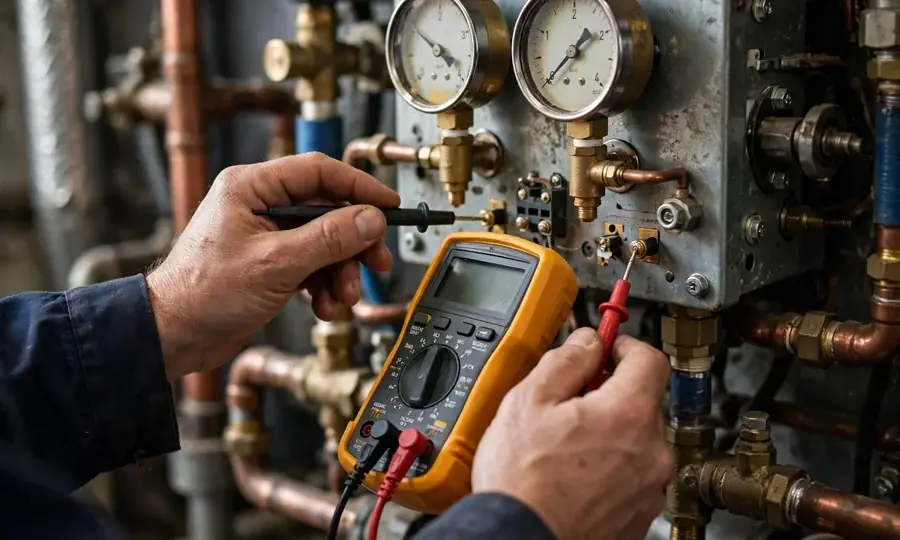
In Peabody's older multis, the pressure gauge is the building's early-warning system. Hot-water boilers should read 12–15 psi cold — memorize that range, because it's the most useful number you can report on the phone. Near zero after cooling means water is escaping: a weeping valve, a pinhole in old piping, or a failed expansion tank.

Watch for the masking pattern: the auto-fill valve quietly topping up a slow leak, feeding the system a constant diet of fresh, oxygen-rich water. In a multi-unit building that corrosion compounds across every radiator in the loop. If pressure keeps sagging and the fill keeps compensating, the job is a leak hunt — not a bigger fill valve. Pegged high with the relief valve weeping means the expansion tank's bladder has failed: heated water has nowhere to expand, so pressure spikes every firing cycle.

Boiler Repair in Peabody, MA

Peabody’s two-fuel diagnosis

Oil and gas fail differently.

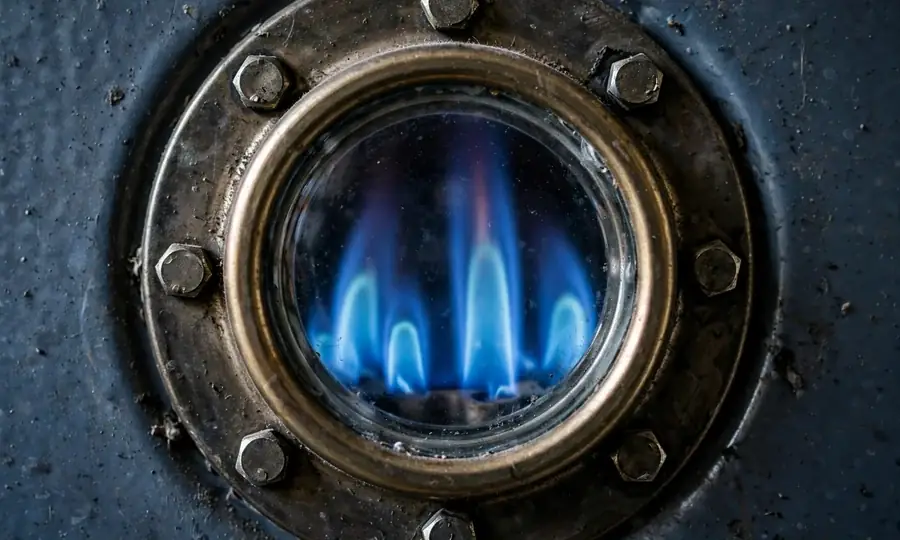
Oil diagnosis is hands-on — combustion testing, draft checks, and a look at the flame tell the story. Annual burner service prevents most of it.

In the gas majority, failures are electrical and sensing: igniters that crack, flame sensor rods that coat with oxide and can't prove flame, pressure switches that drift. Gas diagnosis is sequential — the control runs a checklist (fan, pressure, ignition, flame proof) and the step it stalls on names the culprit. Either way, the discipline is the same: test, then replace — never the reverse. If a previous tech swapped parts without testing, say so on the call.

Boiler Repair in Peabody, MA

Noises and smells

What your senses catch before the gauge does.

Kettling — a rumble like a kettle boiling — means scale or sludge is insulating the heat exchanger and water is flashing to steam against hot metal. Water hammer, sharp banging in the pipes, usually traces to steam systems or air trapped in hot-water piping. A new oil smell near the boiler means a fuel leak: check the filter housing and supply line, ventilate, and call. A sweet or metallic smell with falling pressure can mean a heat-exchanger leak. None of these improve with waiting — but all of them get cheaper the earlier they're caught.

One Peabody-specific note: in the older downtown multis, tenants report symptoms the owner never sees. If you manage units, ask every floor what's changed — the pattern across floors (top cold, bottom fine) is itself a diagnosis.

Boiler Repair in Peabody, MA

Frequently Asked Questions

Straight answers before you call.

01

The boiler in my Peabody Square multi keeps short-cycling. What is wearing out?

Short-cycling on an older multi's boiler usually means the controls or the distribution are fighting — a thermostat or aquastat issue, an oversized burner for the actual load, or air and sludge making zones call constantly. In the tannery-era buildings, corroded piping and aging valves are frequent contributors. Note whether it happens on all zones or one, and call — the pattern is the diagnosis.

02

Water is dripping from a pipe near my boiler in South Peabody. Worry?

A slow weep from a valve or fitting can wait for a scheduled visit; water coming from the boiler jacket itself or dripping onto electrical parts cannot. Put a bucket under it, note exactly where the water starts, and do not ignore it. On mid-century systems, relief valves and auto-fill valves are the usual leakers.

03

My radiators gurgle every morning in my downtown Peabody apartment building. Fixable?

Gurgling is trapped air or water where it should not be, and yes, it is fixable — bleeding, venting, and sometimes rebalancing the system. In the old downtown multis it often pairs with the top floors running cold, because the same air locks starve the high radiators. Describe the noise pattern on the call.

04

The pilot on my old Peabody boiler keeps going out. Relight or repair?

Relight it once, carefully, following the instructions on the unit — if it will not stay lit, stop and call. A pilot that will not hold usually means a failing thermocouple or a draft problem, both cheap parts but both needing a tech. Do not keep relighting a pilot that dies repeatedly.

05

How often should my Peabody boiler actually be serviced?

Once a year, in the fall, before the heating season — that is the whole rule. Annual service catches the nozzle wear, the sensor drift, and the small leaks that become January emergencies.

06

My South Peabody ranch boiler is 35 years old and groaning on startup. Service or repair?

A groan with the heat still working is a repair call, not routine service — describe the noise and triage will route it correctly. On a 35-year-old mid-century unit, do not wait for the groan to become a failure. Note when it started and whether it is getting worse; the trend is the most useful detail you can give.

Boiler acting up in Peabody?

Call (888) 766-1474 — describe the symptoms for a proper diagnosis.

☎   Call (888) 766-1474