
PEABODY INSTALLATION

Boiler Installation and Replacement in Peabody, MA

Boiler past its prime in Peabody? Repeated repairs, a suspect heat exchanger, or an oil tank on borrowed time — here's how to think about replacement, sizing, and fuel choice in a two-fuel North Shore city.

✓ Right-sizing✓ Fuel choice advice✓ End-of-life assessment

General inquiries: 7 AM–7 PM · Emergency calls: 24/7 · (888) 766-1474

When replacement beats repair

The honest thresholds.

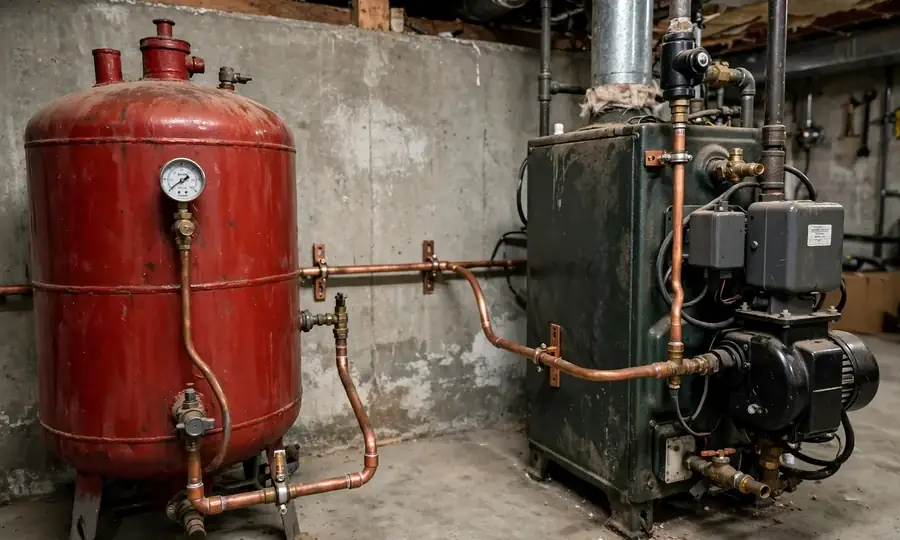
The end-of-life signs don't negotiate: a cracked or badly corroded heat exchanger is the finish line, full stop. The economic signal is repair frequency on a 25-plus-year-old unit — when you're calling every heating season, the money is better spent once. Peabody adds two local triggers: an oil tank aging out alongside the boiler (do both together), and a renovated home where the old boiler is now comically oversized for the improved envelope.

Oversizing deserves emphasis because it's invisible: short cycling wears components, never lets condensing units condense, and wastes fuel daily. If your renovated Peabody home still runs its original boiler, the replacement conversation starts with right-sizing, not like-for-like.

Boiler Installation and Replacement in Peabody, MA

Sizing for Peabody housing

Bigger is not better.

Peabody's housing demands real heat-loss math, not rules of thumb. A downtown multi with original windows and three floors of radiators needs a very different unit than an insulated 1960s ranch — and the old boiler's size is not the answer, because the old boiler was probably oversized when new and the house has changed since.

Proper sizing starts with the building: square footage, insulation, windows, and the existing radiation. In multis, it also means deciding whether zoning gets added — separate thermostats per unit end the top-floor-roasts, bottom-floor-freezes pattern and cut fuel use. A replacement is the cheapest moment to rezone; doing it later costs twice.

Boiler Installation and Replacement in Peabody, MA

Fuel choice in a two-fuel city

Oil, gas, or stay put.

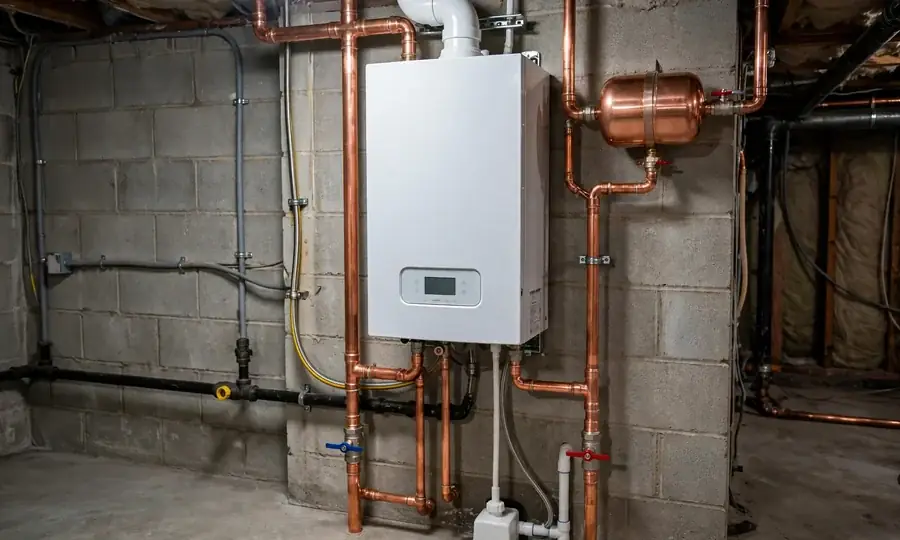
Where a gas main serves the street, end-of-life is the moment to weigh oil-to-gas conversion: no tank, no deliveries, and sealed combustion. Where mains don't reach, a modern oil unit with proper service remains a sound choice — today's oil boilers are far cleaner-burning than the 1970s units they replace.

Either way, consider condensing technology where the system design allows it: return-water temperatures low enough to condense squeeze meaningful efficiency out of every therm. That means planning the condensate drain properly — routed inside, not left to freeze on an exterior wall in January. And keep the radiation: Peabody's old radiators and baseboard are assets, not liabilities — they pair beautifully with modern boilers.

Boiler Installation and Replacement in Peabody, MA

What a good installation includes

The checklist that separates pros from installers.

  • Heat-loss calculation — per building, not per the old nameplate; multis need per-unit thinking
  • Fuel reality check — gas main or oil? Confirm before designing around it
  • Chimney/flue assessment — liners and clearances in century-old buildings
  • Near-boiler piping — proper headers; no shortcuts behind finished walls
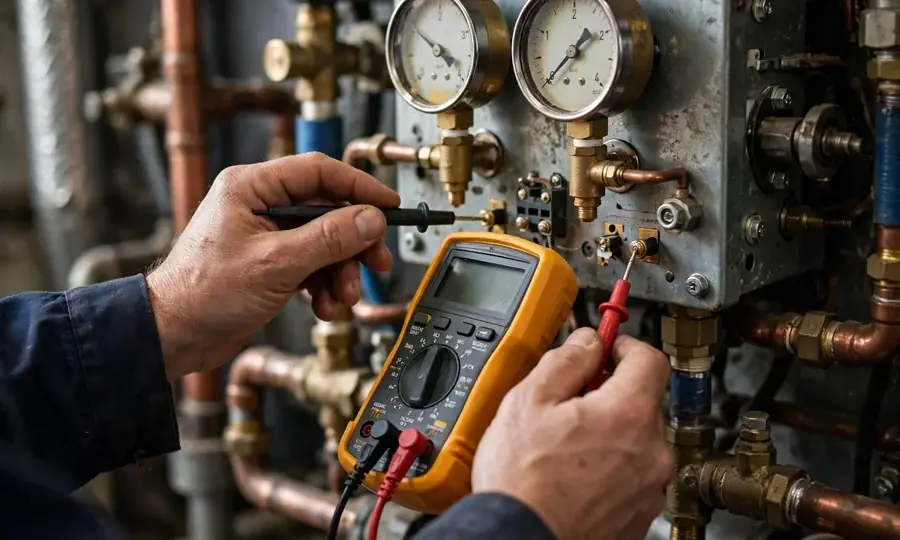
  • Startup and combustion tuning — verified with instruments, not eyeballed

If a quote skips the heat-loss math, that's your sign to get a second one. The repair history of your current Peabody boiler — what's failed, how often — is useful input for the replacement conversation; bring it.

Frequently Asked Questions

Straight answers before you call.

01

My Peabody multi's boiler is 32 years old and needed repairs two winters running. Replace?

Two repair winters in a row on a 30-plus-year-old unit is the classic replacement signal — the breakdowns will keep coming, and each one risks a no-heat stretch across multiple units. The honest test is the pattern: one isolated fault means repair; a system failing in several places means replace. Bring the last two winters' repair history to the call.
02

What size boiler does a Peabody Square multi actually need?

Whatever a heat-loss calculation says for your building — not whatever oversized unit is in the basement now. Most old multis are wildly oversized, which wastes fuel and short-cycles equipment to an early grave. Any replacement quote that skips the heat-loss math is a quote to decline.

03

Can I convert my Peabody oil boiler to gas when I replace it?

It depends on your street — gas mains reached parts of Peabody early and skipped others, so the first question is whether gas is even at your curb. Then comes the chimney, the piping, and the abandoned tank. The gas-or-oil math is done once and lived with for decades, so it deserves a real conversation, not a guess.

04

Will a new boiler work with my building's old radiators?

Almost always yes — radiators outlast several boilers, and new units are routinely piped to existing radiator systems. What changes is the near-boiler piping and the controls, which is where the efficiency gains live. Tell the tech how many floors and radiators the system feeds so the sizing accounts for the real load.

05

How long will my tenants be without heat during a Peabody multi replacement?

Shorter than most owners expect — the swap itself runs over a compact window, and the planning (sizing, venting, fuel decision) takes longer than the wrench work. Heat is typically restored the same stretch. Ask about the schedule on the call so you can give tenants a straight answer.

Thinking about replacement in Peabody?

Call (888) 766-1474 — talk through sizing, fuel choice, and timing.

☎   Call (888) 766-1474